The island's governing body allocates between 75 and 80 million euros each year to the conservation and improvement of its over 1,300 kilometers of roads. This figure includes 50 million for maintenance and conservation, and an additional 25 to 30 million for urgent or scheduled structural works not covered by regular contracts.
“"The new conservation contracts we have promoted from my department in the last three years have doubled, and in some cases more than doubled, the costs with which they were awarded five, six or seven years ago. The COVID crisis, followed by the invasion of Ukraine, caused a considerable increase in construction materials, and this is reflected in the new prices of contracts for road conservation, a phenomenon that we fear will continue to rise with the new conflict with Iran and the closure of the Strait of Hormuz."
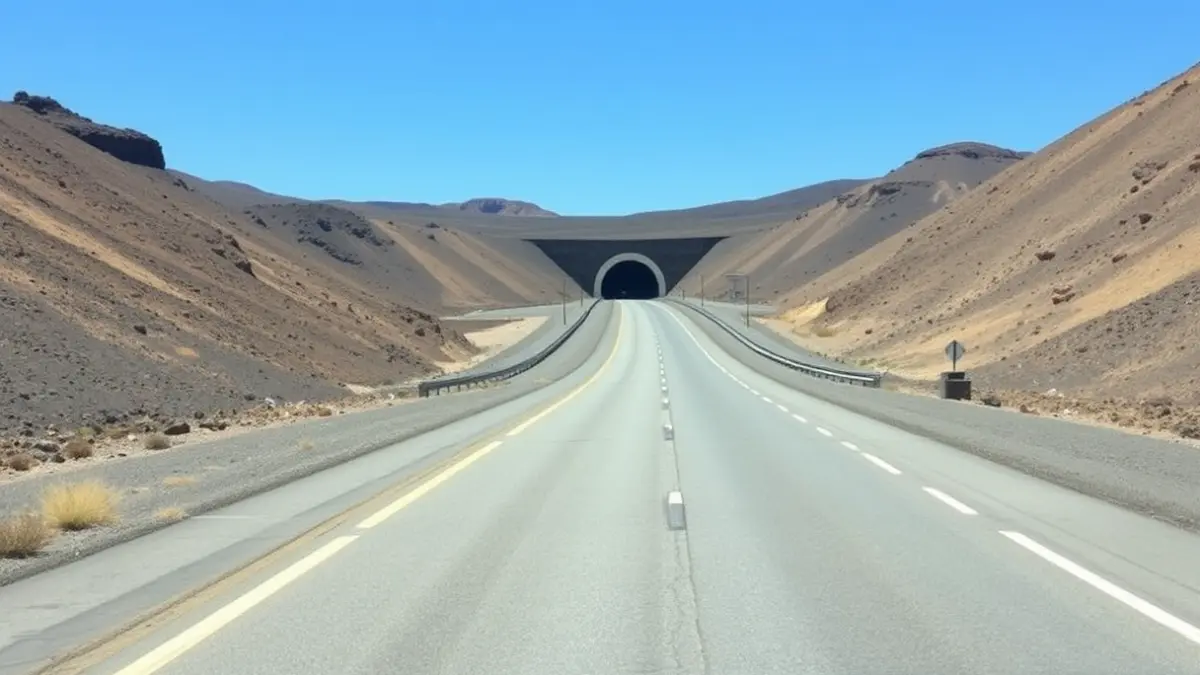
A spokesperson for the Cabildo de Gran Canaria pointed out that maintaining one kilometer of tunnel on the island costs 150,000 euros annually, a figure higher than the cost of maintaining one kilometer of high-speed railway in peninsular Spain, which is around 110,000 euros. This investment is entirely covered by the island's budget.
Given this scenario, the Cabildo advocates for the implementation of more sustainable and higher-capacity public transport models. The train project connecting Las Palmas de Gran Canaria with the south of the island is being promoted, having already received a favorable environmental impact statement. The importance of the MetroGuagua in the capital as a segregated collective transport system is also emphasized.
In line with sustainable mobility, the Cabildo aims to reduce CO2 emissions from its road infrastructures. A convention with the Insular Energy Agency is planned to install solar panels on roads, supplying electricity to lighting and other necessary devices. Furthermore, old luminaires have been replaced with low-consumption LED technology, and a contract will be awarded to implement intelligent transport systems (ITS) on high-capacity roads.