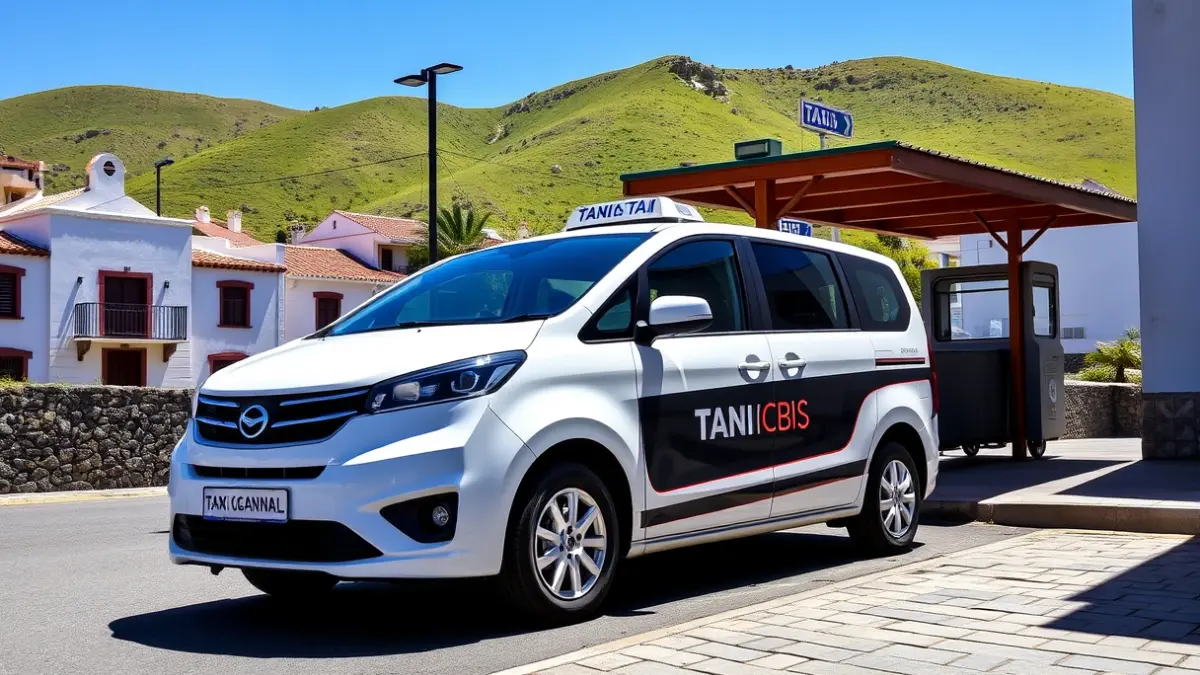
This proposal, presented to local taxi drivers, seeks to establish an on-demand transport model in areas where regular public service is non-existent. The main objective is to make it easier for citizens to access health, educational, administrative, and socio-cultural centers more efficiently.
The service, which will be operated by municipal taxi licenses that join the program, is especially aimed at elderly people, students, and residents of dispersed areas who currently lack bus connections. The City Council has emphasized that this measure complements collective public transport and is not intended to replace traditional taxi services.
“"No one is left behind."
The initiative will have the technical support of the Fundación Nos Movemos, responsible for project management. The system is expected to offer fares similar to those of public transport, providing a quick and accessible alternative for travel from the most remote neighborhoods to the urban center.
The City Council plans to start a six-month pilot project, during which operations will be adjusted to user needs. To this end, a fixed daily income will be provided to participating taxi drivers, who will manage routes coordinated through a mobile application and a telephone service.
The system will also prioritize socially oriented trips, first addressing needs related to health centers, care for dependent persons, and administrative procedures. Subsequently, trips for shopping, cultural activities, leisure, or sports will be included. The service will be available in the morning and afternoon, and reservations must be made the day before to organize daily routes.
This model is inspired by the pilot project “San Mateo en Ruta: Transporte Inteligente”, implemented in October 2025 as a pioneering on-demand transport experience in Gran Canaria.