The acting president of the FIFLP has expressed his enthusiasm and sense of responsibility regarding the upcoming Queen's Cup final, featuring FC Barcelona and Atlético de Madrid. This event is considered a milestone for the island, and its organizational success will serve as a crucial showcase for future major sporting events, especially with the 2030 World Cup in mind.
With over 16,000 tickets already sold, the prospect of filling the Estadio de Gran Canaria, which has a capacity of over 30,000 spectators, is becoming a reality. The organizers aim to surpass the attendance record for this women's competition, currently set at 25,000 spectators. A discounted pricing policy has been implemented to make the event accessible to all fans.
“"We are going for a full house, of course. But the first thing is to exceed 25,000 spectators, which is the highest bar in this women's competition. It is almost a reality given the pace of ticket sales, the ongoing demand from fans, and the days remaining."
The match is viewed as a general rehearsal for the 2030 World Cup, by which time the Estadio de Gran Canaria will have completed its necessary renovation. Filling the venue would send a strong message to the world about the island's organizational capabilities. The quality of the participating teams, featuring world champion players, guarantees a top-tier sporting spectacle.
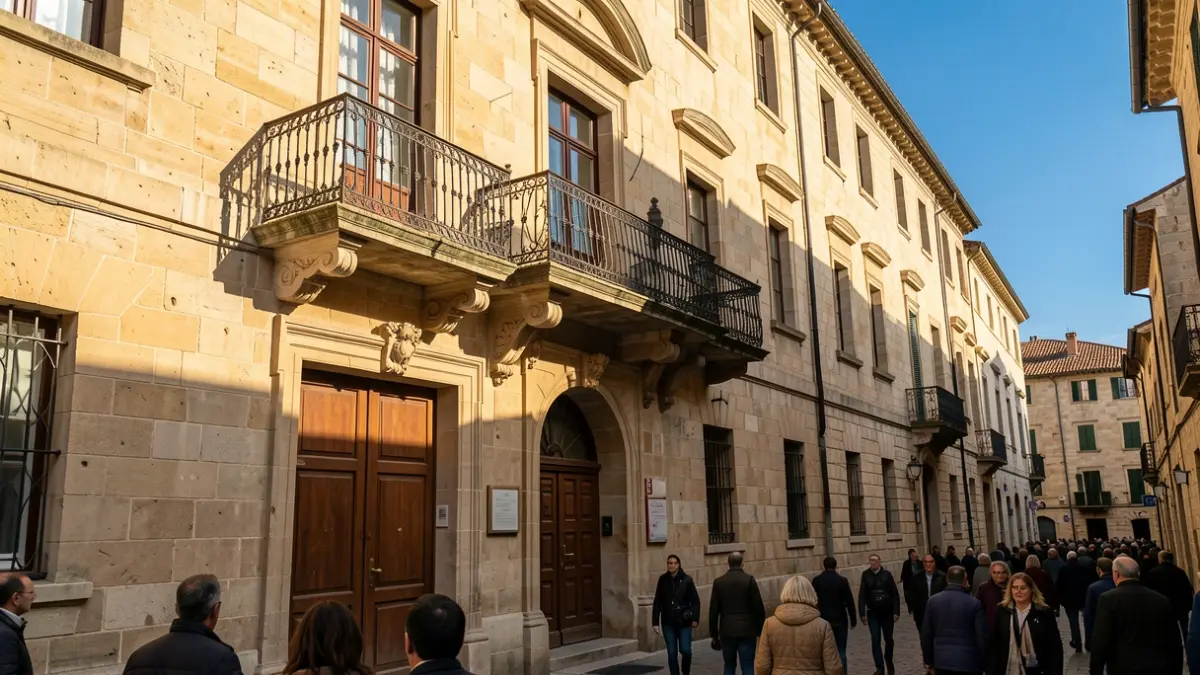
A comprehensive agenda of pre-event activities has been designed to enhance the final and encourage public participation. On May 14, the Queen's Cup will arrive in Gran Canaria and be received at the Cabildo by local authorities. An exhibition will open at the Casa Palacio, allowing the public to view the trophy, along with replicas of national team titles. Visits to schools, hospitals, and centers for vulnerable people are also planned. The official dinner with the participating teams will take place on May 15 at the Real Club Náutico de Gran Canaria, preceded by a sports-legal congress.
The organization has coordinated logistics, including shuttle services from various points in the capital to facilitate public transport to the stadium, thereby avoiding traffic issues. This event, of utmost importance for Spanish football, aims to position Gran Canaria and the Canary Islands as a benchmark for hosting major sporting events, generating significant economic impact and added value beyond football.