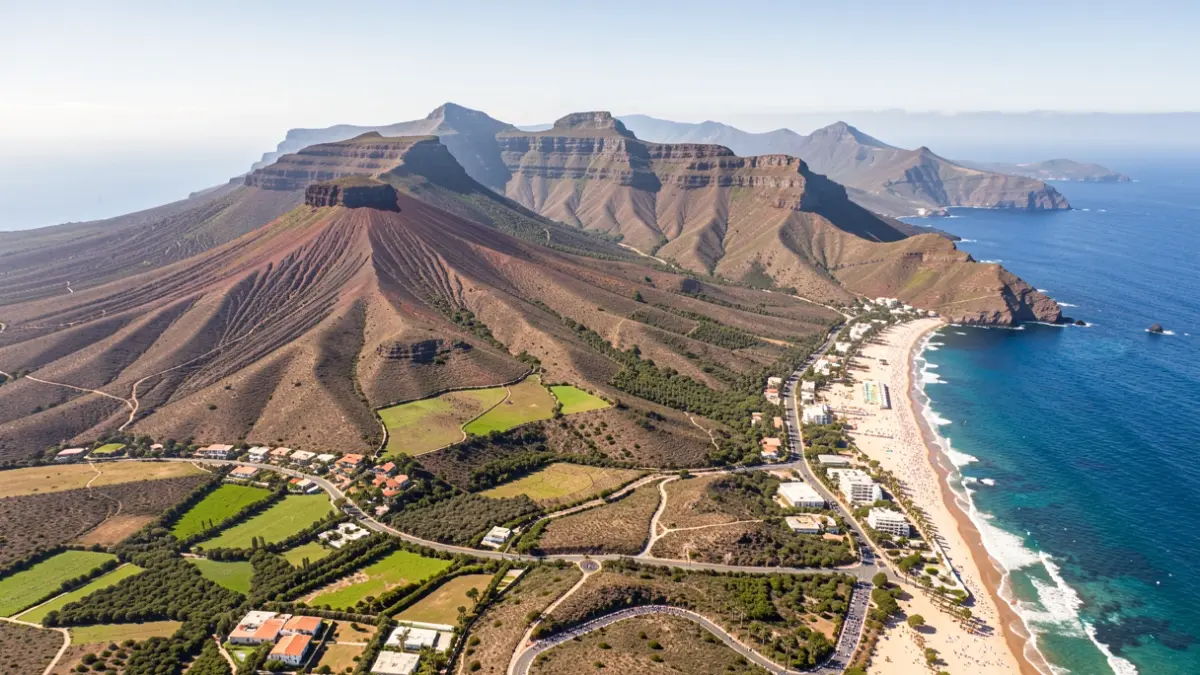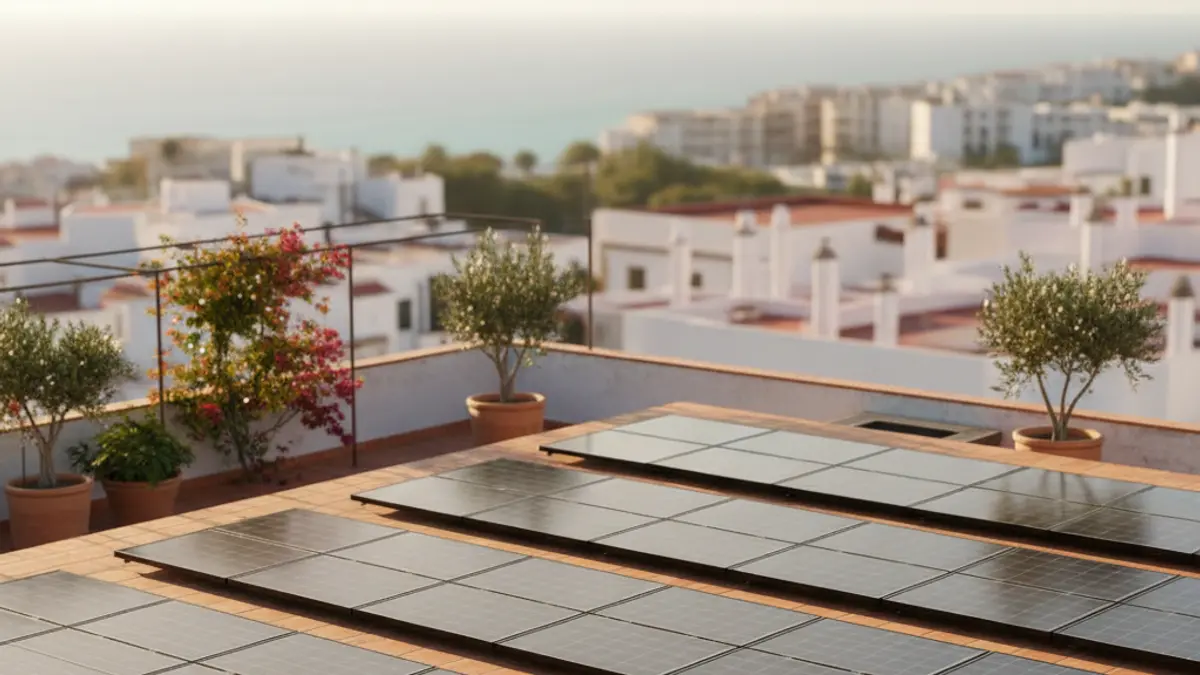
The island of Gran Canaria has initiated a new line of subsidies to boost collective self-consumption and the development of energy communities. This initiative, managed by the Island Energy Council, has an initial allocation of 175,000 euros and aims to promote the installation of shared photovoltaic solar systems.
The grants, which can amount to up to 20,000 euros per project, are structured into two funding modalities. Up to 500 euros will be granted per kilowatt of installed power, with a cap of 15,000 euros, and up to 300 euros per kilowatt-hour of storage, with a maximum of 5,000 euros. The main objective is to facilitate the implementation of renewable energies and contribute to reducing energy costs for beneficiaries.
The call is aimed at various entities, including homeowner associations, groups of individuals or legal entities, and legally constituted energy communities. All of them must comply with the established requirements to access these subsidies, which prioritize shared generation models and citizen participation in energy production.
The deadline for submitting applications will remain open until December 31, 2026, or until the available funds are exhausted. Processing will preferably be done electronically through the island body's electronic headquarters, although paper submission is also an option for those without digital means.
This program seeks to advance towards a more sustainable and distributed energy system, reducing external dependence and fostering direct citizen involvement in energy production. Expected benefits include savings on electricity bills and greater efficiency in energy consumption.
To detail the aspects of the call, the Island Energy Council organized an informative session at its headquarters, where access conditions and the advantages of this model, which is gaining relevance in the island's energy transition strategy, were explained.