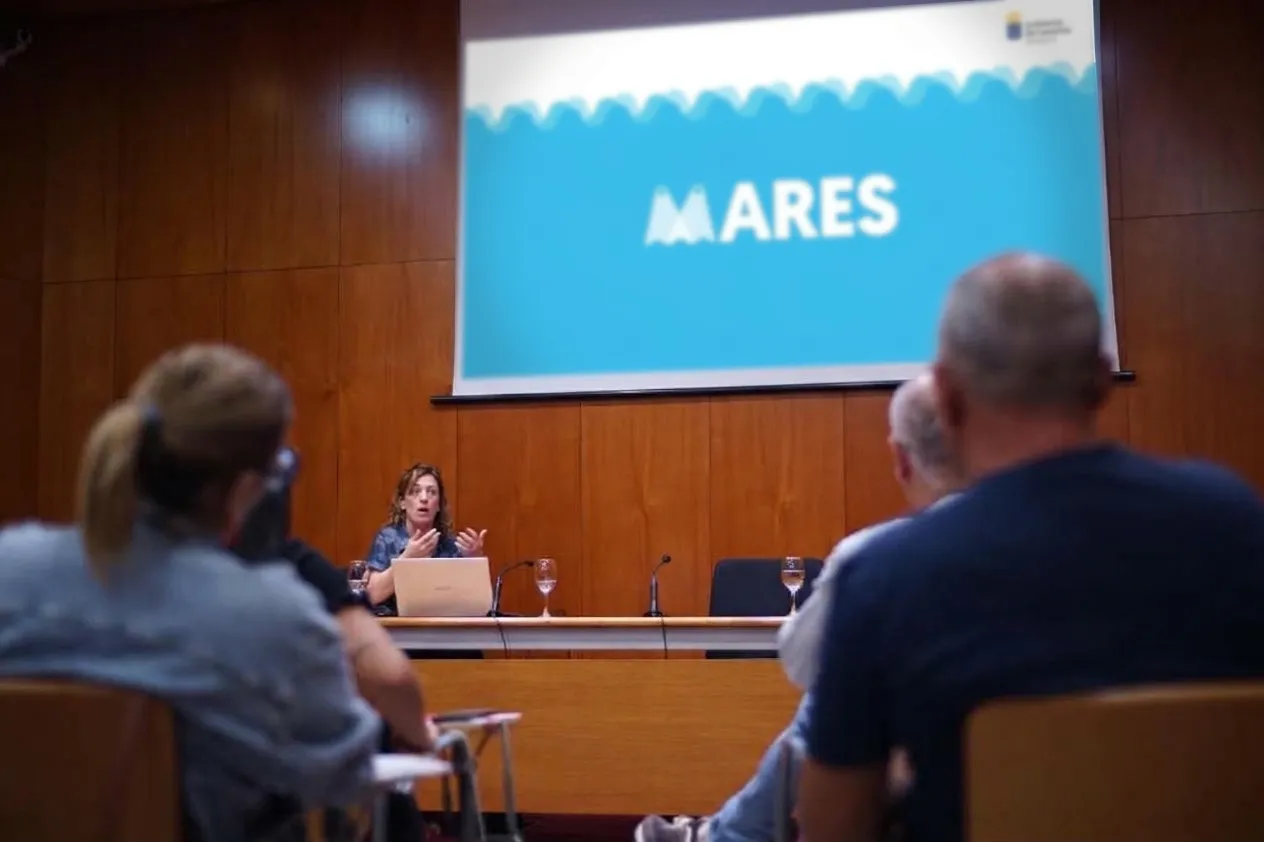
Dr. in Psychology and professor at the University of La Laguna, Míriam Álvarez Lorenzo, presented a comprehensive analysis this Tuesday before the regional parliamentary commission, revealing that 40% of children and adolescents in the archipelago are at risk of poverty or social exclusion. This situation, supported by scientific evidence, affects multiple aspects of child well-being, including poorer academic results, school dropout, and difficulties in cognitive and emotional development.
Álvarez stressed that poverty goes beyond material deprivation, influencing minors' self-perception and their ability to manage emotions, often leading to higher levels of social exclusion and stigmatization. She identified three key factors explaining these effects: lack of resources, family stress, and instability. Families with limited resources often face economic and work-related stress, hindering positive parenting. Instability in housing, employment, and routines also significantly affects children's emotional and cognitive development.
“"It is very difficult to have to combine several precarious jobs and, in addition, practice positive parenting."
The expert also highlighted how poverty limits learning opportunities, with a higher risk of educational abandonment and less access to complementary training activities for minors from low-income families. While children in affluent families study languages, in less privileged ones, extracurricular activities are limited to remedial classes. Studies on educational inequality in the Canary Islands show low social mobility, suggesting that poverty is inherited.
Inequalities extend to leisure and culture. In the Canary Islands, 47% of children and adolescents cannot go on vacation with their family for a week a year, and 11.5% (approximately 30,000 minors) lack access to leisure activities or equipment for free time, such as bicycles or skates, and cannot participate in school or social events. Furthermore, poverty impacts health, with vulnerable minors exhibiting poorer general health, more sedentary lifestyles, and 11% of families unable to afford a meal of meat, chicken, or fish per week.
“"The longer children remain in poverty, the more chronic these consequences will be, the more difficult they will be to change, and the greater the economic investment needed to modify these outcomes. Prevention is a fundamental element in child poverty."
Álvarez emphasized the need to identify the support needs of families and minors from an early age to mitigate the impact of material deprivation. She also urged the removal of barriers preventing families from accessing economic aid, even when they meet the requirements, and called for more positive recreational activities and greater stability in available resources, such as school canteens during holidays. For his part, Miguel Ángel Rojas, director of the Don Bosco Foundation, advocated for greater coordination among existing resources to provide adequate attention to diverse needs.