The Administrative Surveillance and Inspection Unit (UVIA) of the Autonomous Police, together with the Biodiversity Service of the Government of the Canary Islands, conducted a biodiversity inspection operation that resulted in the immobilization of products containing seeds of unauthorized species.
During the nine inspections carried out by the Environmental Group, six in Gran Canaria and three in Tenerife, agents found not only products containing California poppy seeds but also the commercialization of banana seeds from the genus Musa, whose introduction into the Canary Islands is prohibited by state phytosanitary regulations.
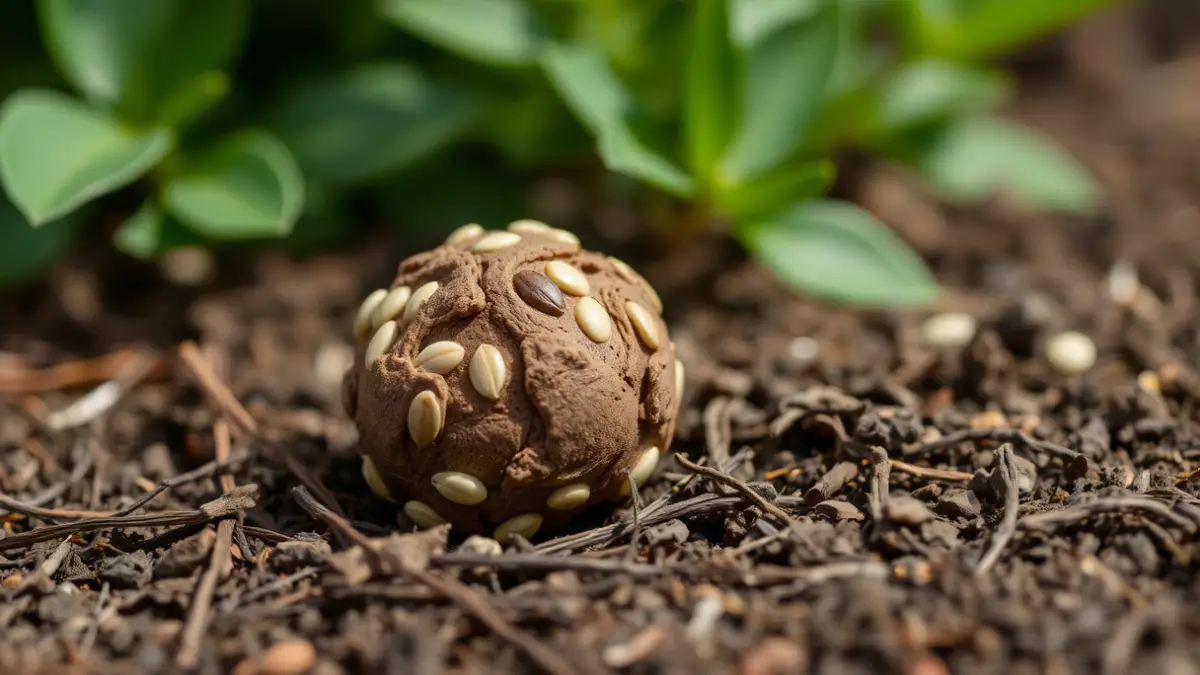
The operation began after an alert from the Biodiversity Service upon detecting the sale of a product called 'seed bombs'. This product contained the species Eschscholzia californica, known as California poppy, which is classified as an invasive exotic species.
Its inclusion in the Spanish Catalogue of Invasive Exotic Species entails the prohibition of its possession, transport, and trade without authorization, in accordance with Law 42/2007 on Natural Heritage and Biodiversity.
The presence of this plant poses a significant risk to the Canarian ecosystems, as it can displace native flora and affect local fauna. After consulting with the General Directorate of Agriculture of the Government of the Canary Islands, the prohibition of selling these products and the lack of registration of the establishments in the Register of Professional Plant Operators were confirmed, which could constitute infringements of Law 43/2002 on Plant Health.
As a result of the operation, agents immobilized and sealed the detected products, informing the establishment managers of the observed irregularities. These will be forwarded to the competent sanctioning bodies. The Autonomous Police emphasizes the importance of complying with current regulations on the commercialization of flora and fauna species to protect the biodiversity, biosecurity, and plant health of the archipelago.