According to data from the State Meteorological Agency (AEMET) and the regional prevention plan, the Canary Islands Ministry of Health has classified the UV radiation risk as very high throughout the archipelago. Specifically, the municipalities of Tejeda, Artenara, and Valleseco, in Gran Canaria, are experiencing extreme risk levels.
This warning is part of the Action Plan for the Prevention of the Effects of Ultraviolet Radiation Exposure on Health, a document that establishes recommendations based on five risk levels. Weekly, Public Health publishes a map of the archipelago indicating risk levels, compiled from available meteorological parameters.
“"Sun protection should be maintained throughout the year, not just in summer, and also on cloudy days."
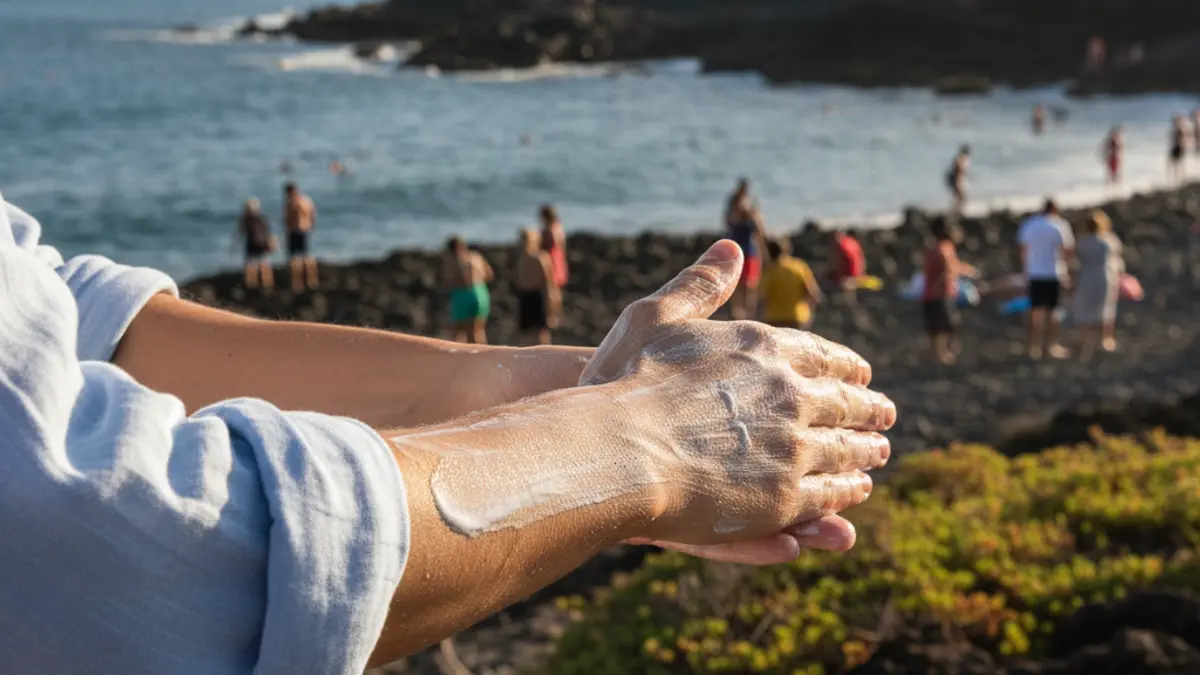
Given the very high and extreme risk levels, the department advises intensifying the daily use of sunscreens with an SPF 50 factor or higher. Additionally, it is recommended to seek shade during the central hours of the day and use physical barriers such as wide-brimmed hats, clothing that covers arms and legs, and appropriate sunglasses.
Experts also remind that sun damage is cumulative and that excessive exposure, especially sunburns in childhood, increases the risk of certain types of skin cancer many years later. They also emphasize that radiation can penetrate cloud cover and that, with a breeze, the perceived temperature may be lower despite the risk remaining constant.
According to information from the Ministry of Health, the Canary Islands is the region in Spain with the highest UV radiation throughout the year, based on AEMET data. Ultraviolet radiation, a form of non-visible solar radiation, can cause acute effects such as DNA damage, sunburns, phototoxic and photoallergic reactions, and immunosuppression, which is considered a risk factor associated with cancer and can favor the reactivation of viruses like cold sores. Overexposure is also linked to severe skin diseases, including melanoma, and an increased risk of eye conditions if vision is not adequately protected.
Risks are higher for individuals who spend many hours in the sun for leisure or work, those with fair skin, hair, or eyes, people over 50 years old, those with a family history of skin cancer, or those using certain medications that can increase sensitivity to radiation. Recommendations include seeking shade especially between 11:00 AM and 5:00 PM, wearing clothing that covers limbs, using a cap or wide-brimmed hat, and wearing approved sunglasses that block UVA and UVB. Direct sun exposure for infants under one year old is discouraged due to their skin's vulnerability and limited use of sunscreens. Additionally, it is advised to check the expiration date of sunscreens before use.