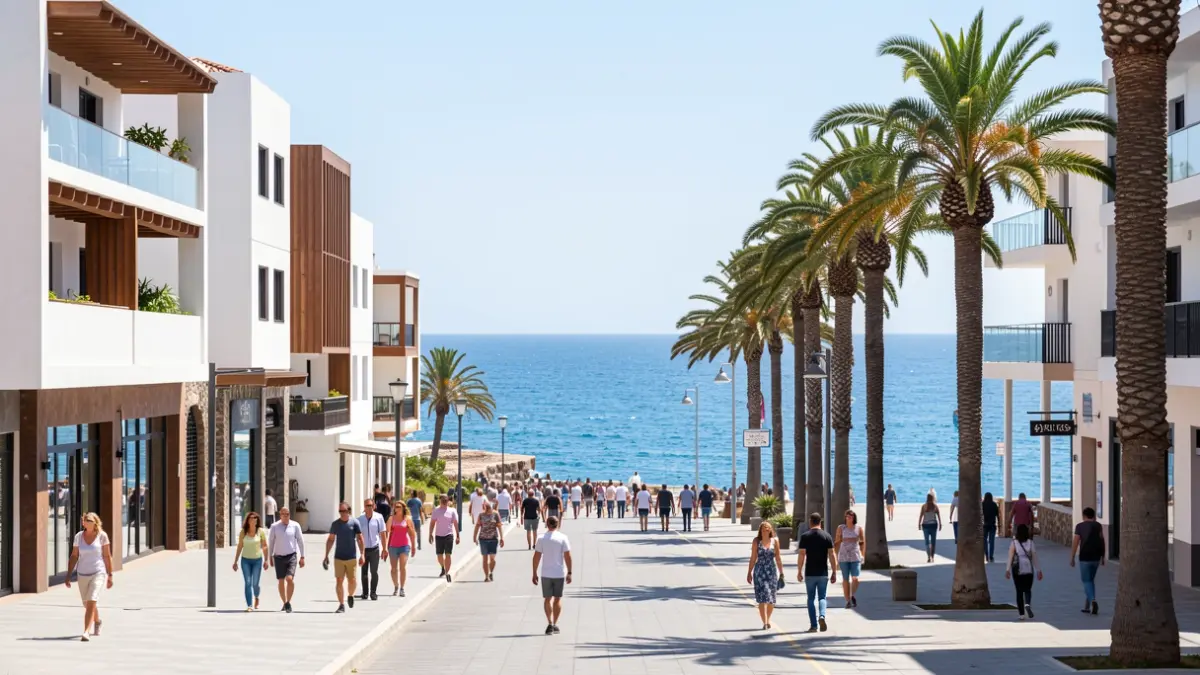
The nationalists stress that this infrastructure, financed by FDCAN and managed by the Cabildo of La Palma, is the main calling card of the island's capital and a link between the port, the commercial center, and the beach. The economic injection has allowed for the modernization of the space, the creation of pedestrian areas, the undergrounding of services, and the improvement of accessibility.
According to Coalición Canaria, the works demonstrate that management with "foresight and powerful resources" achieves milestones that change the reality of an island. The comprehensive intervention not only beautifies the coastline but also revitalizes commerce, restaurants, and the tourism sector, adapting the environment to 21st-century demands.
The party considers that the success of this intervention reaffirms the purpose of the Canary Islands Development Fund (FDCAN), promoted by the then regional president Fernando Clavijo, as a "strategic financial instrument" to unite the archipelago and enable large-scale structural projects on islands like La Palma.
CC argues that FDCAN funds are transforming La Palma, balancing municipalities, and equipping the island with competitive infrastructure. In the capital, this project complements the strategy of opening the city to the sea and enhancing its appeal as a cruise ship destination.
The nationalist group commits to "continue monitoring and demanding maximum agility" in the pending FDCAN projects on the island, ensuring that public money translates into employment, well-being, and development for the people of La Palma.
They argue that the transformation of La Palma is underway, and works like the Maritime Avenue are proof that growth is achieved through "intelligent public investment."