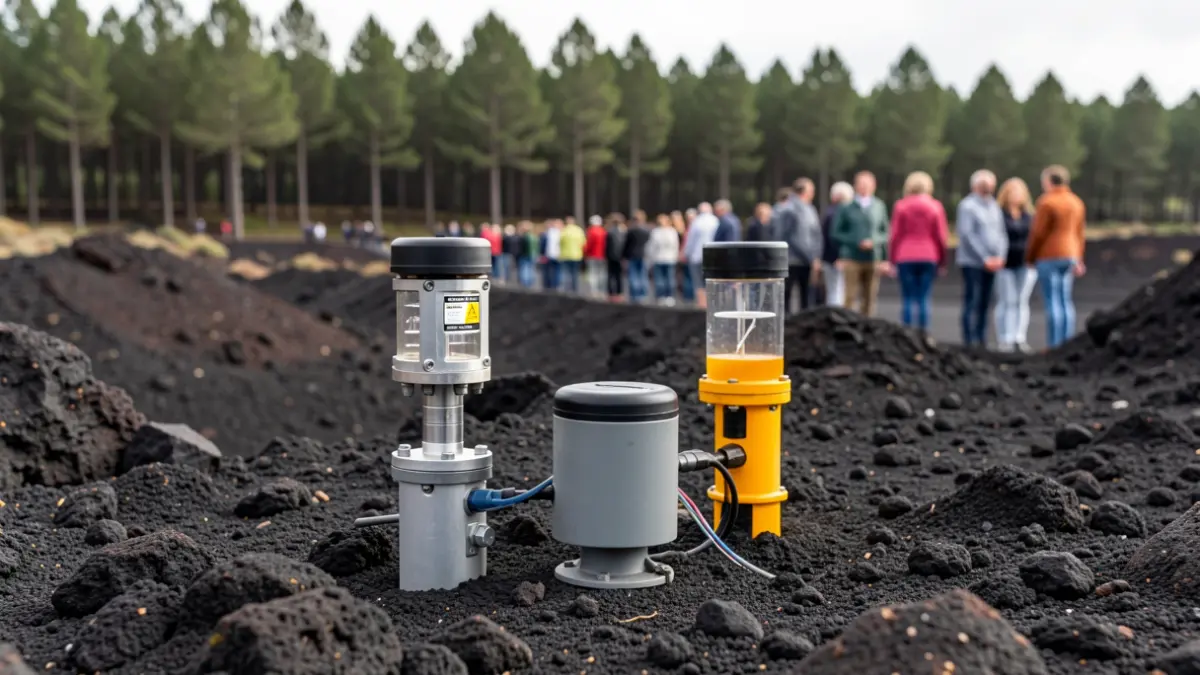
The study, published in the journal Journal of Hazardous Materials, analyzes the impact of this natural radioactive element in areas near the volcanic cone. Although the eruptive process significantly increased the presence of radon compared to natural soil, levels recorded in the Valle de Aridane remained within established safety margins.
Experts indicate that the increase in gas was a direct consequence of the opening of fractures in the terrain and increased soil permeability, which facilitated its ascent from the subsoil. Meteorological factors, such as weak winds and thermal inversions, also influenced the concentration of the gas inside some homes near the eruptive focus.
The estimated ionizing radiation dose for residents during the three months of volcanic activity was 0.3 millisieverts. This figure, extrapolated to an annual period, represents approximately half of the average exposure a person receives under normal conditions, thus ruling out serious health risks for the inhabitants.
Given these results, researchers suggest integrating radon monitoring into volcanic risk protocols in the Canary Islands. This measure would improve citizen protection and deepen scientific knowledge about magmatic systems and their interaction with the environment.