The meeting, attended by Minister Mariano Hernández Zapata, Tazacorte Mayor David Ruiz, and Works Councilor Toni Santana, detailed the environmental and social benefits of this initiative. The shelter will be located on a 2,671 square meter municipal plot, currently degraded, which will be transformed into an urban park.
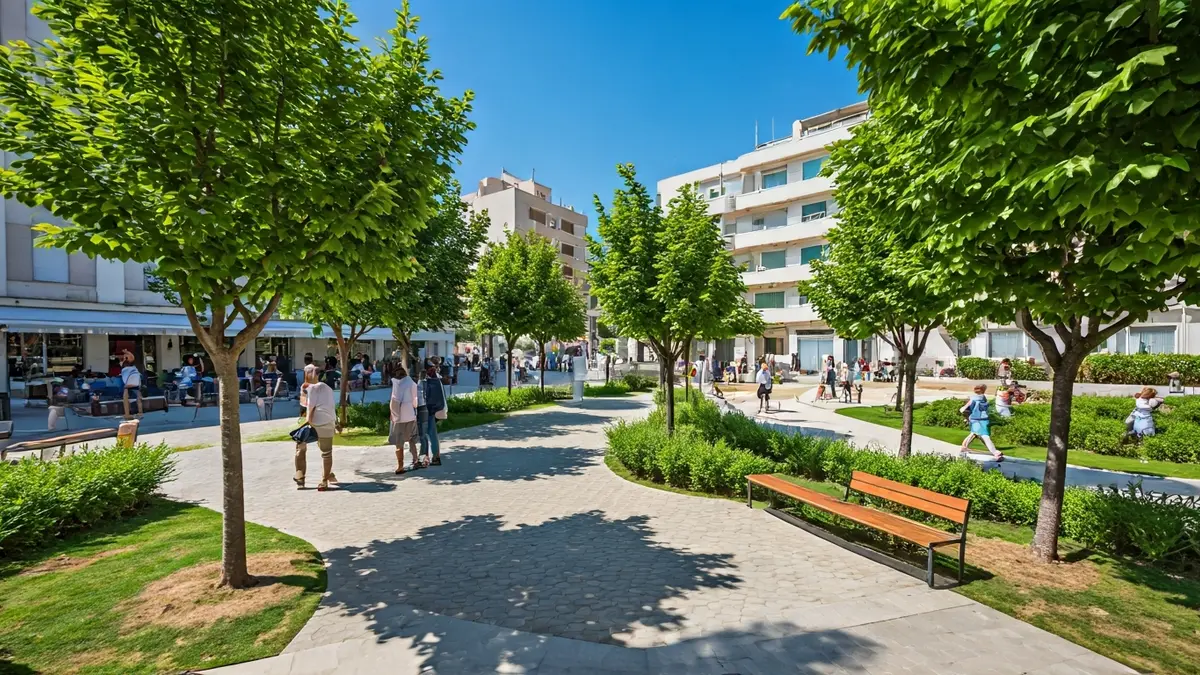
The park's design includes planting trees to provide shade, installing permeable pavements, gardens, play areas for children and pets, bleachers, restrooms, efficient lighting, and a water sheet. These features are intended to reduce the impact of heat and encourage public use of the space, helping to lower ambient temperatures.
“"Today we take an important step to make this project a reality, sharing it with the residents, who are the ones who will enjoy it and who best know this environment. We want this climate shelter to meet their needs and become a useful, accessible space designed for people."
The project has an estimated budget of one million euros, contributed by the Ministry of Ecological Transition and Energy, and its execution is expected to begin in the coming months, after having passed several review and improvement phases. This initiative is part of the Ministry's strategy to re-naturalize Canarian cities and prepare them for rising temperatures and intensifying heatwaves.
A climate shelter is an urban space that offers optimal conditions of temperature, humidity, and air quality, allowing citizens to protect themselves from high temperatures, especially during extreme heat events. These places usually incorporate abundant vegetation, shaded areas, resting areas, and access to water, along with sustainable solutions to reduce ambient temperature.