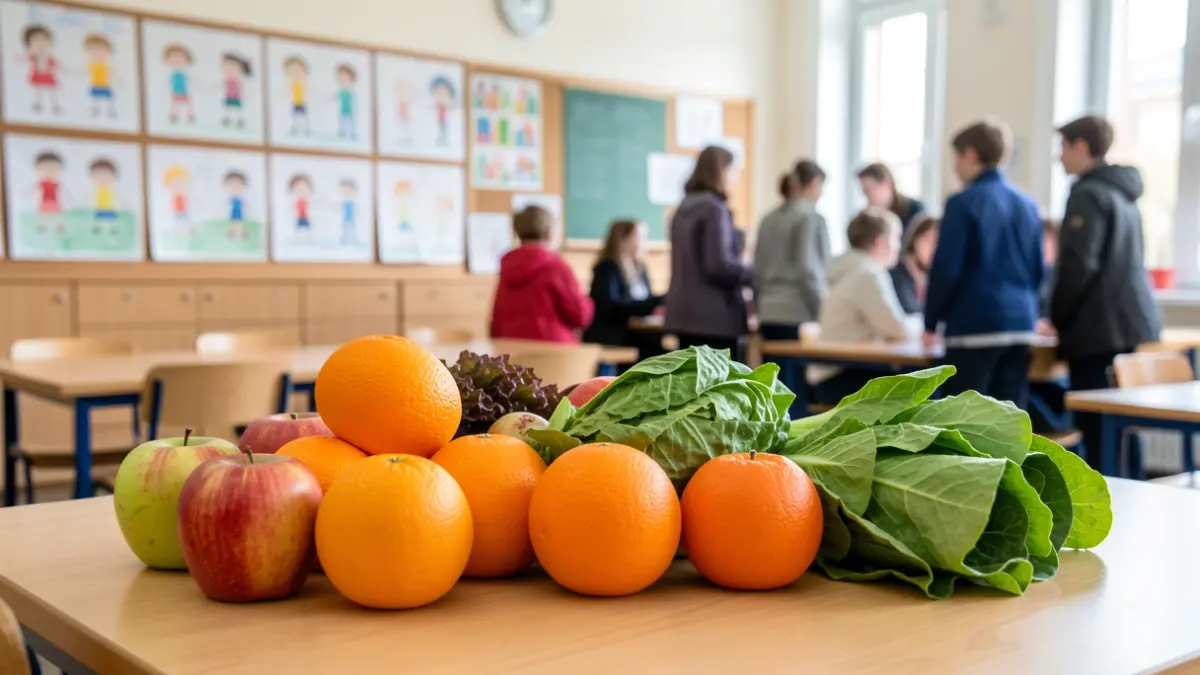
School canteens in Tenerife are entering a new era of healthy eating following the implementation of the Royal Decree on Healthy and Sustainable School Canteens, published on April 16, 2025. This regulation, driven by the Ministry of Social Rights, Consumer Affairs and the 2030 Agenda and four other ministries, aims to promote healthy nutritional habits from childhood and combat childhood obesity, which affects 36.1% of Spanish children aged 6 to 9 according to the ALADINO 2023 study.
This historic transformation in children's nutrition mandates all educational centers, whether public, subsidized, or private, to serve more balanced menus. Products such as industrial pastries and energy drinks are eliminated, and processed foods and fried items are drastically limited. The rule, which allowed a one-year adaptation period, should now be fully complied with in all educational centers with school canteens offering Infant, Primary, ESO, and basic/intermediate Vocational Training.
The new regulation prioritizes fresh fruits and vegetables, which must be offered daily, with at least 45% of these products being seasonal, thus supporting the local agricultural sector. The Mediterranean diet becomes the central focus, emphasizing vegetables, legumes, fruits, whole grains, and olive oil. Fish, previously omitted in over 1,200 canteens, will be mandatory between one and three times per week, as will legumes (once or twice weekly).
Products considered less healthy are being phased out: sugary and energy drinks are banned in canteens, vending machines, and school cafeterias. Industrial pastries and any food exceeding set limits for sugar, fats, or salt (200 kcal per portion, 5g added sugar) are also removed. Pizzas, pasties, and industrial croquettes will only be served once a month, and fried foods once a week, preferably prepared with olive or high-oleic sunflower oil. Red meat is limited to one weekly portion, and processed meats to twice a month.
Water is established as the sole permitted beverage, with schools required to provide drinking fountains and pitchers on dining tables. Menus will be supervised by nutrition specialists, and families will receive detailed information on ingredients, allergens, and cooking techniques. Adapted menus will be offered for students with cultural, religious needs, allergies, and intolerances. Furthermore, at least 5% of food expenditure will be allocated to organic products, promoting healthy cooking methods like baking or steaming.
The Government asserts that this reform, which does not anticipate an increase in menu prices for families, also aims to reduce the environmental impact by promoting local products and reducing waste. Autonomous communities will be responsible for sanctioning centers that fail to comply with the regulations.