This initiative, processed urgently through a simplified open procedure, seeks to shorten administrative deadlines and accelerate the start of works. Interested companies have until April 17, 2026, to submit their bids.
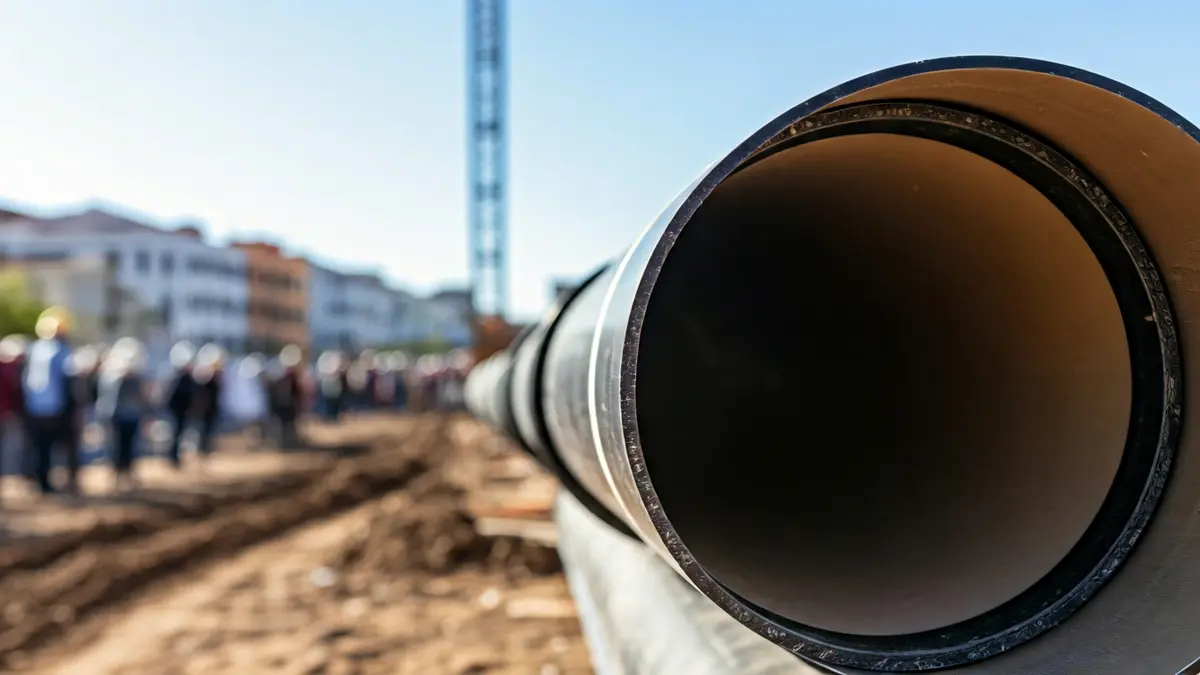
The project involves replacing approximately 900 meters of piping on the LZ-30 road, specifically between kilometer points 11+000 and 12+000. A new 90-millimeter diameter PVC-O pipeline will be installed, a material known for its resistance and durability in supply networks.
In addition to the pipes, the intervention includes the renovation of essential elements such as manholes, valves, and connections, which will optimize the overall functioning of the network and improve the quality of potable water service for local residents. These enhancements are designed to reduce incidents and increase water transport efficiency.
“"This action responds to the need to improve infrastructures that show deficiencies, emphasizing the importance of guaranteeing an efficient and secure supply."
With a base tender budget of 123,461.48 euros, the work will be fully funded through the Canary Islands Development Fund (FDCAN). This investment aligns with the Lanzarote 2016–2025 Strategy, which promotes sustainability and resource efficiency on the island.
The urgency of this project is justified by the declared water emergency in Lanzarote and La Graciosa, prioritizing interventions that strengthen the supply system. The Vice President of the Cabildo, María Jesús Tovar Pérez, highlighted the importance of FDCAN funds in driving projects that directly impact basic services, while the Water Councilor, Domingo Cejas, noted that these actions are part of a broader hydraulic planning for both islands.
Once awarded, the works will have an execution period of three months, allowing for a rapid implementation of the improvements to the supply system.