This project represents a significant step forward in preserving Gáldar's ethnographic heritage. The research has successfully documented the accounts of the last individuals who cultivated, spun, and worked flax in this enclave, recognized as a UNESCO World Heritage Site.
The presentation event, held at the Agáldar Museum, highlighted the importance of preserving these traditional skills, which for over seven decades have survived solely through oral memory. The initiative not only revives a lost activity but also transforms it into a valuable educational and research tool.
The work undertaken has allowed for the compilation of audiovisual interviews, historical photographic material, and comprehensive documentation on the entire flax production process, from cultivation to fabric transformation. All this content is now available on a free-access digital platform, designed as an open documentary base for future research and cultural projects.
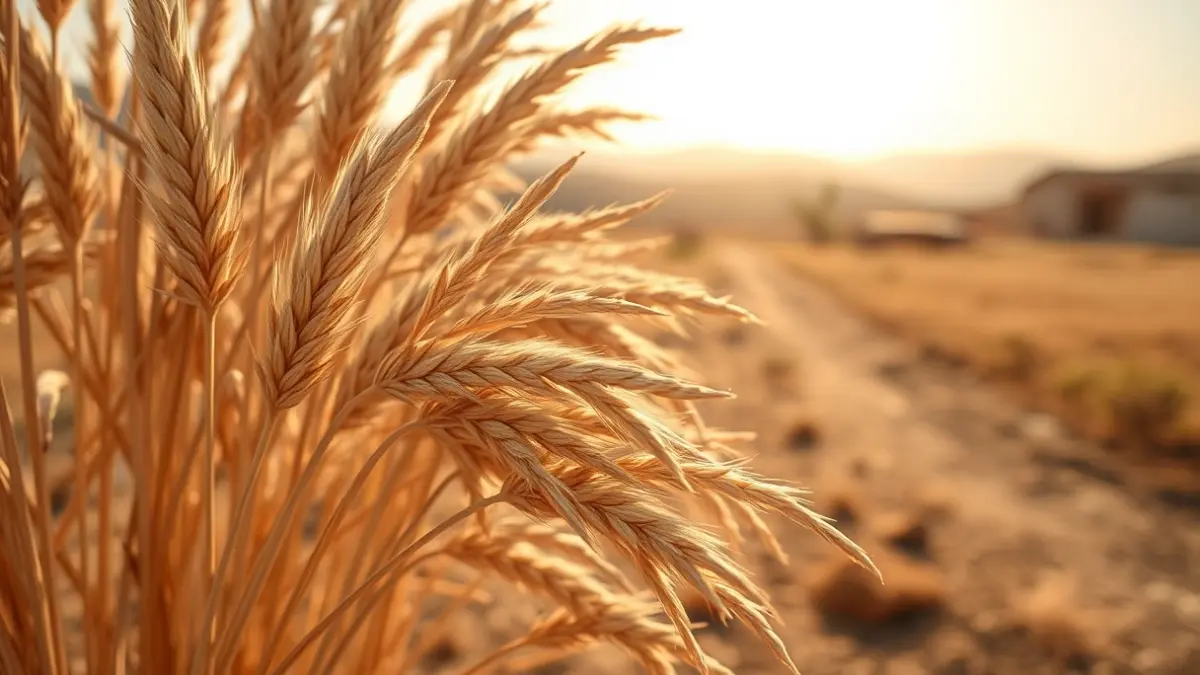
Beyond archival work, the project also looks to the future. In recent years, flax cultivation has been reintroduced into the cultural landscape, with planting experiments aiming to bring this practice back to the territory and link it to local development. The proposal also includes permanent exhibition spaces and outreach activities that connect tradition, agriculture, and heritage, with the goal of strengthening the cultural identity of Gran Canaria's midlands.