The exercise, which reached Level 2 emergency status, has tested the response capabilities of security and emergency teams. The simulated scenario included the evacuation of part of the Cabo Verde neighborhood and the confinement of other areas, as well as traffic accidents with injuries and road closures to increase the complexity of the situation.
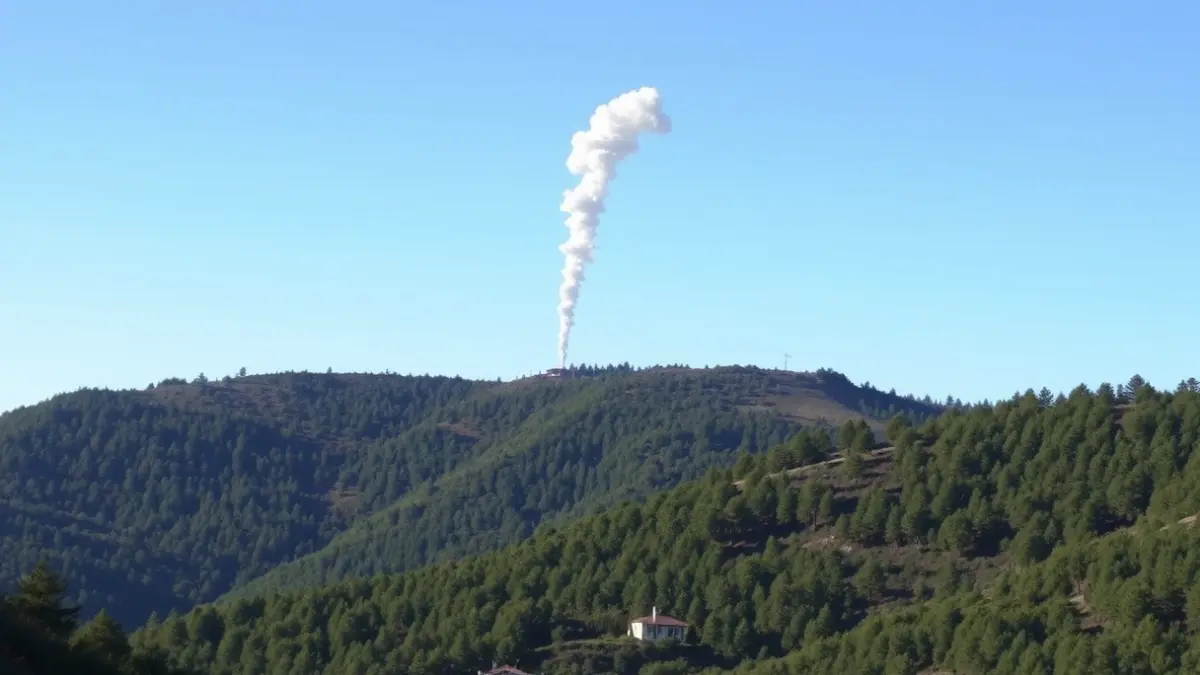
To address the scale of the simulated fire, two helicopters have been mobilized, and support has been requested from the UME (Military Emergency Unit) and aerial resources from Tenerife and La Gomera. The drill's script, designed by an expert director, began with a two-car accident, one of which caught fire after falling down a ravine, initiating a blaze that advanced towards the town center of Moya.
“"The images are what sometimes confuse us, because they are, they seem real when they are virtual."
Artificial intelligence technology has played a crucial role in the realism of the drill, recreating the fire in a hyperrealistic manner. This immersion has caused participants to experience the situation with an intensity comparable to a real event, highlighting the importance of preparation and coordination among the various security and emergency bodies.
One of the main objectives of this exercise is to identify potential shortcomings to optimize action protocols. Specialized observers are recording all details, and at the end of the drill, a meeting will be held to analyze errors and determine areas for improvement, an essential step to ensure an effective response to future real emergencies.
The initiative to host this drill in Moya came from the local administration itself. To avoid alarming the population, an intense communication campaign was carried out in the preceding weeks, using social media, word-of-mouth, educational and health centers, and even requesting the collaboration of parish priests. Additionally, the ES-Alert system is planned to be used to notify citizens on their mobile phones about confinement and evacuation orders.