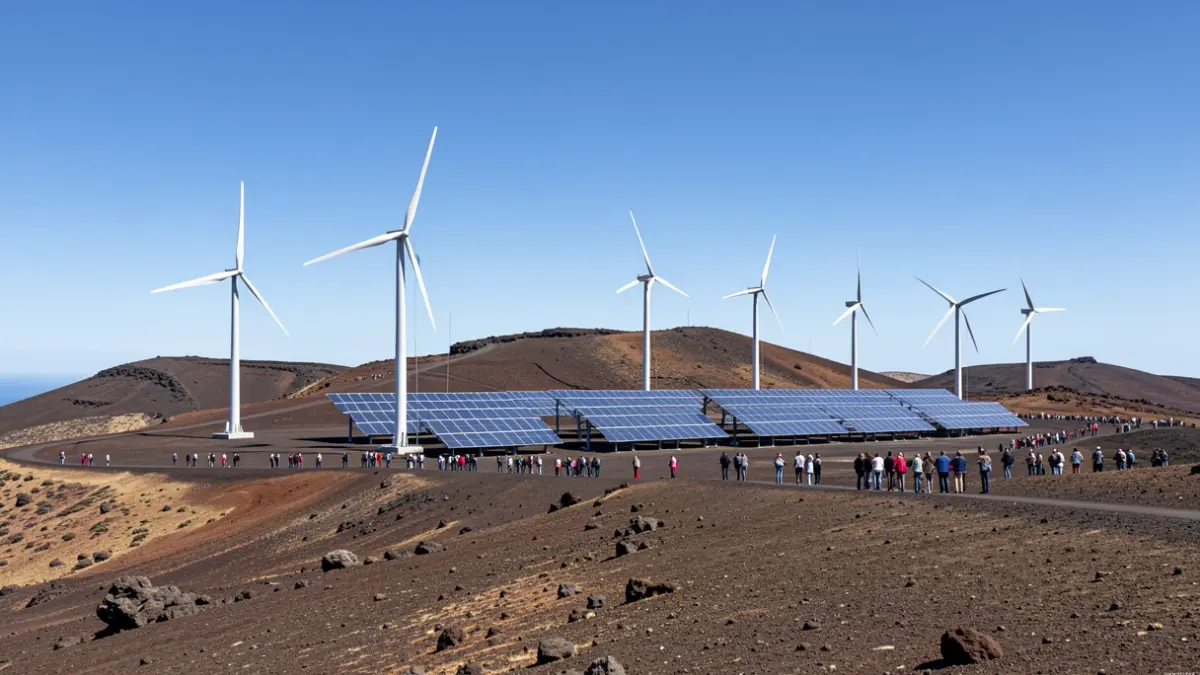
Energy companies Naturgy Renovables and DISA Generación will have to pay a total of 1,103,872.65 euros and 1,683,025.59 euros, respectively, as their appeals against municipal levies for the use of rural land for energy infrastructure installations have been dismissed.
The resolutions, supported by technical and legal reports, reject the claims of both entities, which sought the annulment of the levies and the refund of amounts already paid or assessed. The companies argued that their projects, authorized for general interest under a special procedure of the Canary Islands Electricity Sector Law, were not subject to this fee. DISA, furthermore, relied on the Canary Islands Government's energy emergency declaration for its generation plant.
However, the municipal authorities clarify that this exceptional procedure expedites authorizations but does not exempt compliance with economic obligations established by urban planning and land regulations.
“"Our commitment is to responsible and fair management of resources that belong to everyone. Any entity that carries out a profitable economic activity in our territory must contribute equitably, as the law dictates. This fee is not an arbitrary measure, but a legal mechanism that ensures the private use of our rural land directly benefits the improvement of public services and infrastructure for our residents. We will be firm in defending the general interest and legality."
The Mayor of Puerto del Rosario, David de Vera, highlighted the importance of these actions for the financial sustainability of the municipality and equity in the use of public resources, emphasizing that the fee ensures the private use of rural land benefits public services.