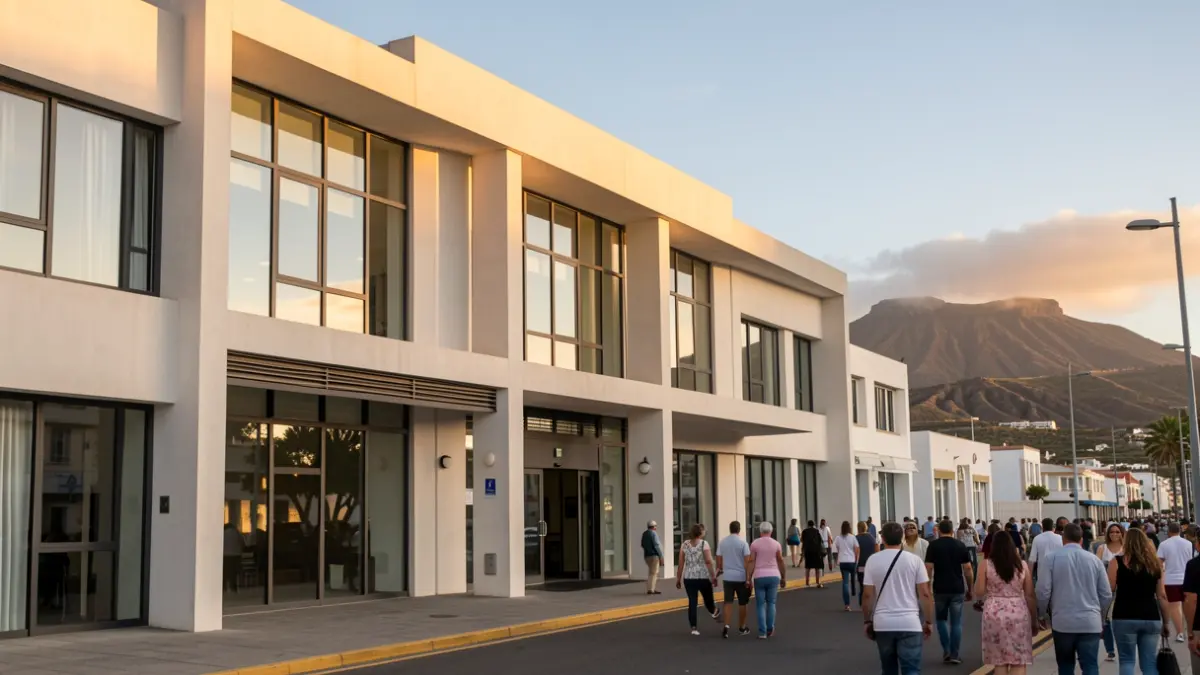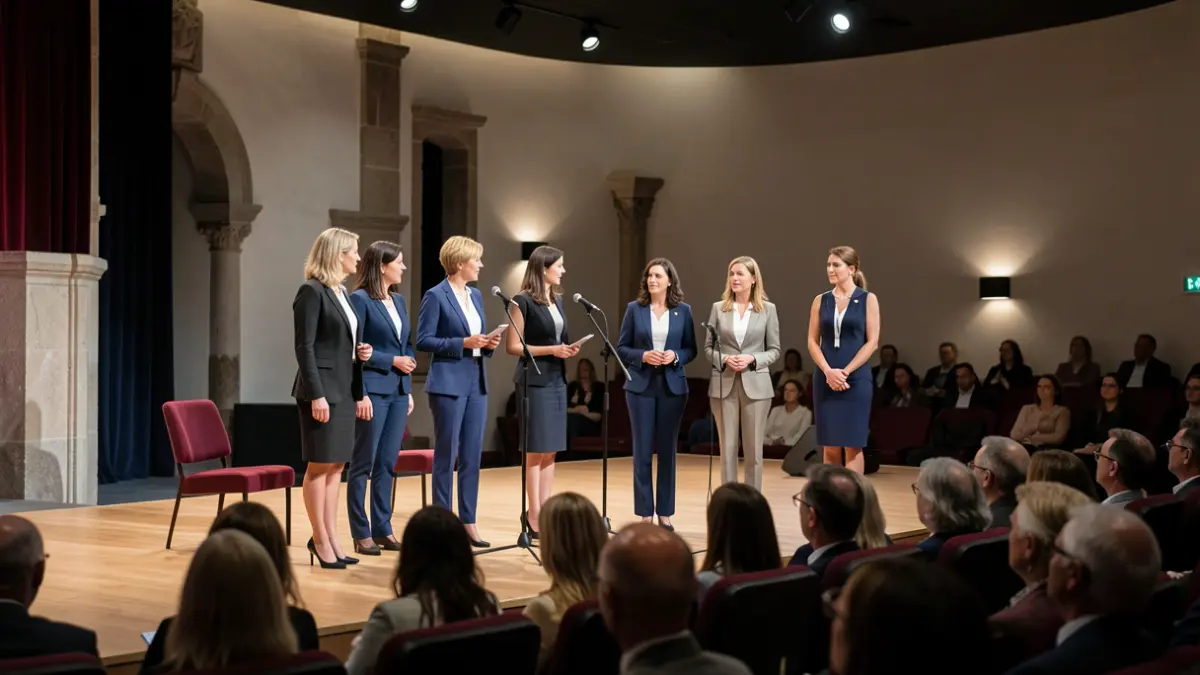
The Auditorium of the Fuerteventura Congress Palace will host an unprecedented event next Thursday: the six women who have led the island councils of the Canary Islands will meet for the first time in the same space. The event, titled "Las 6 Fantásticas" (The Fantastic 6), aims to reflect on female leadership, public service, and the path towards greater equal representation in institutions.
This roundtable discussion marks a milestone for the Canary Islands, bringing together the women who have paved the way at the forefront of insular governments. The act transcends the institutional to recognize female leadership and women's capacity for transformation from public responsibility.
Participants will include former presidents María Eugenia Márquez (Gran Canaria), Inés Rojas (Lanzarote), Guadalupe González (La Palma), and Belén Allende (El Hierro), alongside current leaders Rosa Dávila (Tenerife) and Lola García (Fuerteventura). The moderation will be led by Nardy Barrios, a jurist and president of Charter 100 Canarias.
The event also marks the official launch of Charter 100 Fuerteventura, chaired by Clara Peña. This initiative, under the umbrella of Charter 100 Canarias (chaired by Nardy Barrios), seeks to promote female leadership, create role models, and foster spaces for dialogue and collaboration among women.
Charter 100 Canarias works towards real equality, promoting professional development, entrepreneurship, and female leadership. With "Las 6 Fantásticas," the association highlights a key chapter in the Archipelago's political history, emphasizing the significance of opening paths and providing role models for new generations.