
Under the leadership of the presidency, the autonomous chamber has promoted projects that combine historical memory with symbolic representation. A notable example is the recovery of an oil painting attributed to the artist from La Palma, Manuel González Méndez, which remained hidden for decades in the plenary hall under several layers of paint.
The complex intervention has allowed the rediscovery of this piece, dated 1906, which is fundamental to the visual identity of the Parliament. The work, carried out in several phases, required a specialized team to remove up to four layers without damaging the original artwork. The final phase of comprehensive restoration, including the consolidation of polychromy and the reintegration of deteriorated areas, is scheduled for August.
This action responds to technical recommendations from the Cabildo de Tenerife, which had pointed out the need to recover the work to restore aesthetic coherence to the plenary hall. The oil painting not only possesses artistic value but is also key in constructing the institution's historical narrative.
“"It no longer made sense in a community that officially recognizes La Graciosa."
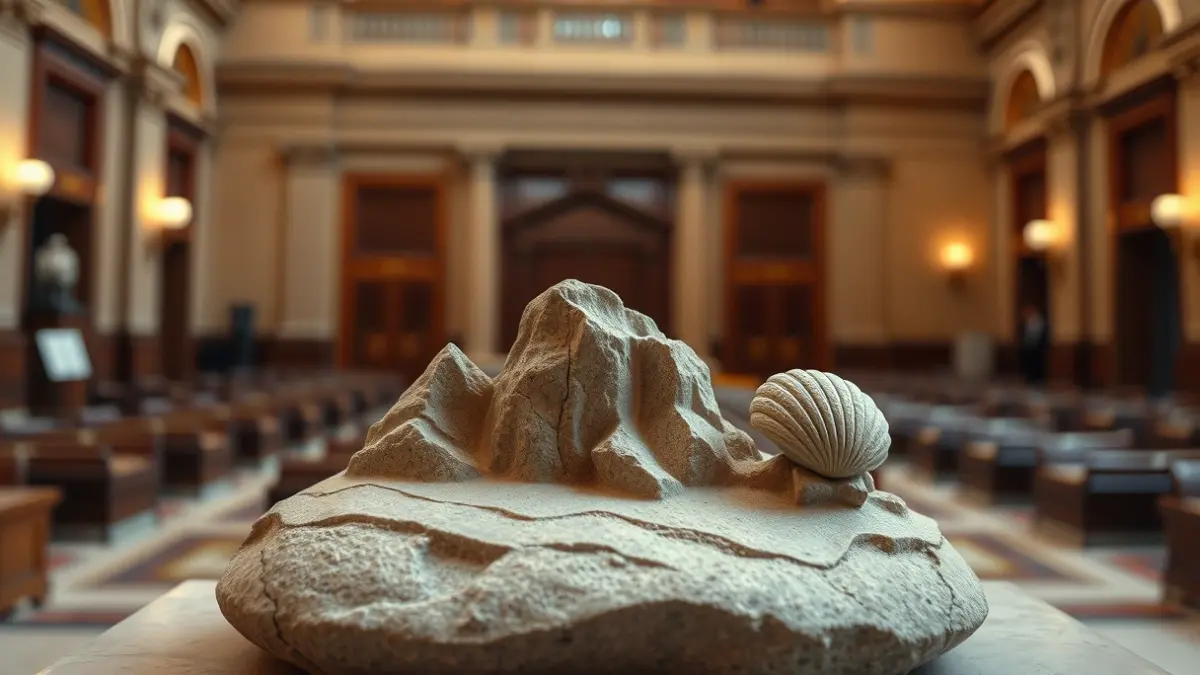
The commitment to heritage extends to the present and future with the incorporation of a new sculpture representing La Graciosa, thus completing the presence of all eight islands at the entrance of the Parliament. Until now, the original sculptural ensemble by José Abad only included seven islands.
The commission has been entrusted to the sculptor from Lanzarote, Paco Curbelo, who has over four decades of experience. His proposal seeks to respect the existing artistic language while introducing elements characteristic of La Graciosa's identity, such as the burgado, a recognizable symbol of the island. This initiative is a gesture of institutional recognition and territorial balance, sending a clear message that all islands have their place in the political heart of the Canary Islands.
These actions reflect a change in approach to heritage management within the Parliament, which now seeks to recover, reinterpret, and complete its collection. The Chamber, which houses works by artists such as César Manrique, Pedro González, Lola Massieu, Felo Monzón, and Martín Chirino, thus reinforces its role as a space for cultural and political representation of the Archipelago.


