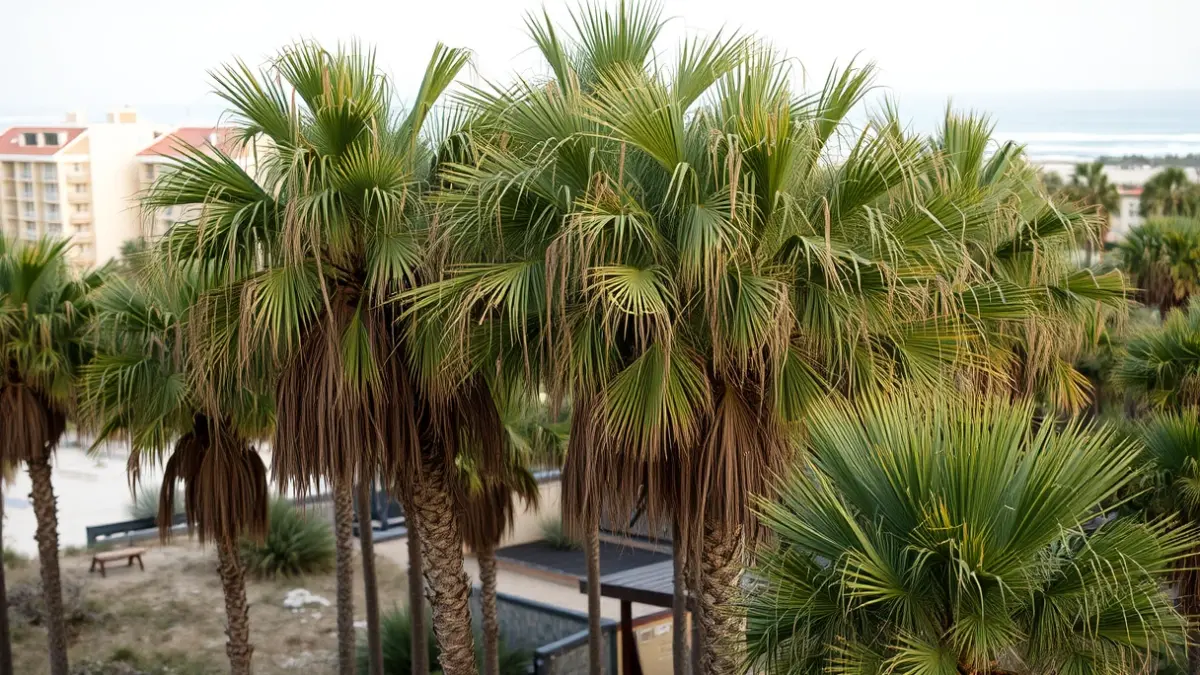
The town of Costa Calma, a significant tourist destination in Fuerteventura with 22 hotels and 33 urbanizations, is home to approximately 5,500 residents. Despite its appeal to tourism, which can reach 15,000 daily visitors during peak season, residents report a reality of neglect in basic services.
“"The palm grove is completely abandoned; it hasn't been maintained since the pandemic and is dying. Insecurity has soared, hotels tell tourists to be careful if they go out at night. In general, things are going from bad to worse."
The neighborhood platform 'Pájara: el sur despierta' criticizes the severe lack of infrastructure and basic services, a situation that, according to them, has not been resolved by successive municipal governments for over 30 years. The Mayor of Pájara, Alejandro Jesús Jorge Moreno, acknowledges the complexity of the situation, attributing it to unreceived urbanizations that have hindered investment. However, he assures that the current government, with less than three years in office, has taken actions, though he admits they are insufficient.
One of the core issues is that, for decades, urbanizations were not formally accepted by the municipality, allowing the Town Council to shirk its maintenance responsibilities. Residents point out that even urbanizations whose reception was mandated by a final court ruling in February 2022 still do not receive proper attention.
Water supply is another critical point. Costa Calma residents are supplied through master meters, forcing communities to manage individual bills with prices close to 5 euros per cubic meter, paid to a private company, unlike other Pájara residents who pay half the price to the Town Council. This situation has driven some communities to the brink of bankruptcy.
Furthermore, the letter submitted by the presidents of the homeowners' associations to the Pájara Town Council, representing over 1,500 residents, describes a bleak picture of abandonment: poorly maintained asphalt and sidewalks, broken manhole covers, deficient public lighting that fails in the rain, dilapidated containers, uncollected garbage, and plagues of rats, cockroaches, and mosquitoes due to sewage spills in areas that communities cannot manage. Insecurity has also increased, leading some hotels to warn guests to be cautious when going out at night.
The list of deficiencies extends to the lack of a 24-hour emergency medical service, the absence of a sports center, and the impossibility of extracurricular activities due to the school closing in the afternoons. High school students must travel 60 kilometers daily to attend their institute. Residents, who estimate that the Pájara Town Council collects about 6 million euros annually from Costa Calma, announce upcoming mobilizations for early May, demanding answers about the investment of these funds.