The Minister of Agriculture, Livestock, Fisheries, and Food Sovereignty of the Government of the Canary Islands, Narvay Quintero, visited the facilities of La Jaira de Ana, a family business in Agüimes, Gran Canaria. The farm, which markets its cheeses under the brand Quesitos de Anabel, is recognized for its commitment to diversification, agritourism, education, and social innovation.
Founded in 2002, the company began a diversification strategy in 2020, incorporating participatory experiences, environmental workshops, and tastings. Its aim is to highlight zero-kilometer products and bring the importance of the primary sector and rural culture closer to citizens. Conceived as a farm school, La Jaira de Ana offers a learning space in direct contact with nature and emphasizes animal welfare, also participating in the CULTIVA 2025–2026 Program of the Ministry of Agriculture, Fisheries and Food.
Led by social worker Anabel Calderín, the project promotes socio-environmental education, ecological culture, and sustainability. It has been recognized by the PAC Network for its innovation and female entrepreneurship and selected for the European Rural Inspiration Awards.
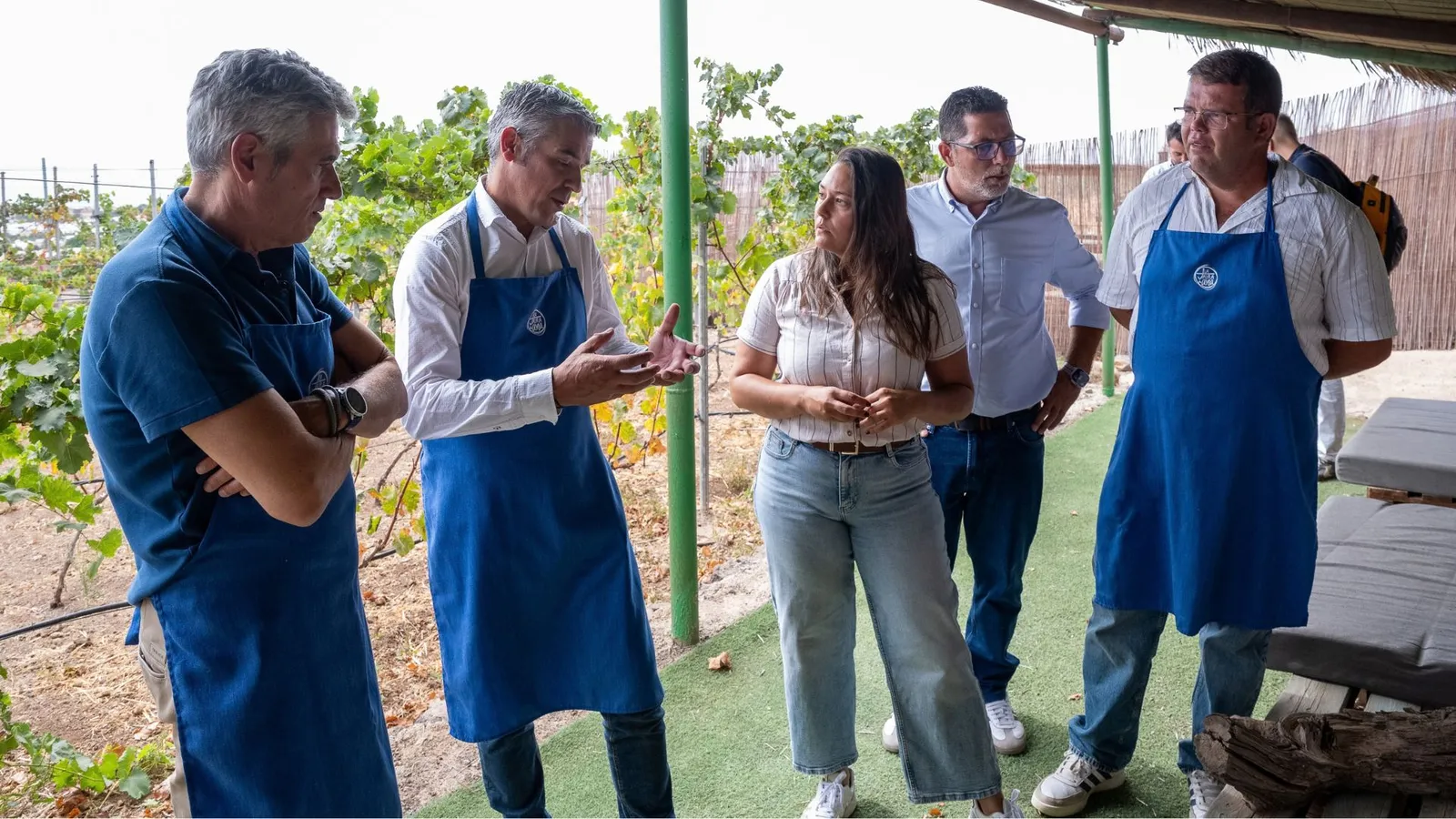
During the visit, Minister Narvay Quintero was accompanied by Anabel Calderín, manager and owner; Óscar Hernández Suárez, mayor of Agüimes; Alejandro Báez Acosta, insular director of Agriculture, Livestock, and Fisheries of the Cabildo of Gran Canaria; Andrés Díaz Matoso, general director of Livestock of the Government of the Canary Islands; and Juan Francisco Acosta Arias, councilor of the Primary Sector and Ecological Transition of the Agüimes City Council.
Quintero highlighted that La Jaira de Ana exemplifies how a livestock farm can evolve and generate opportunities, producing quality food, imparting knowledge, and bringing the primary sector closer to citizens through education and the rural environment.
The minister emphasized the importance of society understanding the work behind local products, animal care, and processing, especially for new generations, to value professionals' work and choose local produce.
Quintero also valued complementary activities like agritourism, which diversify income and strengthen farm viability, stating that the future of the primary sector lies in these new avenues.
The Government of the Canary Islands supports the livestock sector through programs like aid for goat and sheep milk producers under the POSEI program, which this company utilizes.
Anabel Calderín stated that the project focuses on diversification while maintaining the core of the primary sector and milk production. Her goal is for visitors to experience being a farmer and hopes to be a role model for young women in the sector.
The farm has 93 animals (65 goats, eight sheep, 15 hens, and five donkeys) and specializes in producing cheeses under the Quesitos de Anabel brand, recognized in competitions like the Official Agrocanarias Cheese Contest.
The project integrates the complete livestock cycle, from animal care to product marketing, creating added value. Its shop also offers other local products such as wines, beers, salt, oil, gofio, honeys, and jams.
La Jaira de Ana complements its production with educational and agritourism offerings for families, schools, and businesses, including farm visits, milking and cheese-making workshops, and local product tastings.
The project has also promoted Harimaguadas, funded by the Government of the Canary Islands, aimed at the recovery and inclusion of young women victims of gender-based violence through rural environments and livestock activities. This initiative was a finalist for the European Rural Inspiration Awards.
The farm holds the FADEMUR Responsible Label and is affiliated with the Canary Islands Corporate Social Responsibility Network, recognizing its commitment to sustainability, equality, the local economy, and territorial conservation.