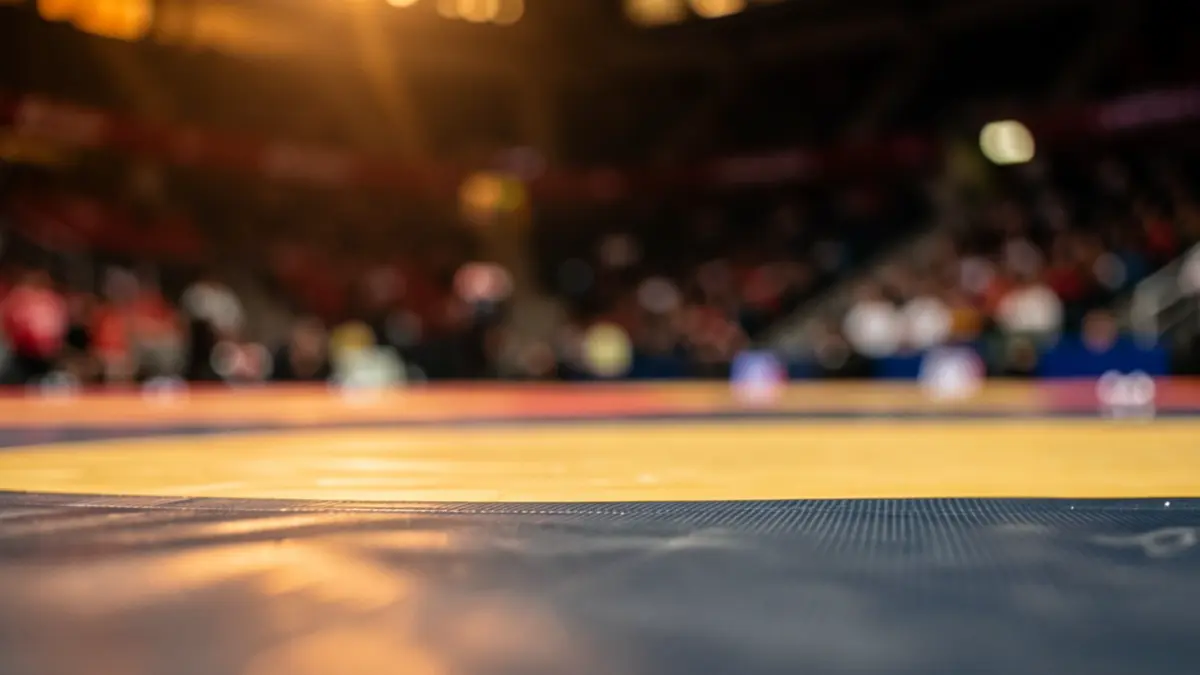
Last January, anti-doping controls began in Canarian wrestling, stemming from an agreement with the Spanish Commission for the Fight Against Doping (CELAD). Although this traditional sport is not Olympic, the initiative aims to reduce the incidence of doping.
Professor and president of the Canary Anti-Doping Agency, Antonio Ramos Gordillo, has led both the training and preventive talks given over a year across all islands, and the execution of the controls. These are ordered by CELAD and directed at wrestlers selected by the national entity, which covers the expenses.
Ramos Gordillo explained that his role concludes with performing the controls and sending them to Madrid. The results, which are delayed due to the high workload of laboratories, will be communicated to the wrestlers in case of any issues. If a positive is confirmed, it will be made public at a regional level after the protocol is completed. 'My only role now is to carry out the controls and send them to Madrid, nothing more. Everything is decided there,' he stated. To date, 16 controls have been carried out on the islands, and a decrease in the performance of some wrestlers has been observed since their implementation, controls that will continue until the end of the season.
Ramos Gordillo emphasized the importance of athletes' health and the negative consequences of doping, also pointing out that competing with an advantage is cheating. He confirmed that the controls are carried out with 'absolute discretion' and without problems, contributing to the sport's integrity.
Furthermore, the Canary film cycle of the NOA project, sponsored by the Cabildo Insular de Gran Canaria, commenced in Sardina del Sur with the screening of José Alayón's film 'La Lucha'. The event, held at the El Cine Cultural Center, saw a significant public attendance, notably featuring the participation of the Castillo wrestling club's youth academy, including base wrestlers and the women's team, who actively engaged in the post-screening discussion along with their former president Pacuco Guedes.
The attendance of members from the San Bartolomé de Tirajana club was appreciated by the organizers and the municipality's sports councilor, Julio Jesús Ojeda Medina, enhancing the event. The screening provided an opportunity to focus on Canarian wrestling through the Castillo women's team members and their former president.
The film portrays how the values of Canarian wrestling help a father and daughter overcome depression after the death of the wife and mother, and it continues to receive international awards, promoting the traditional sport.
Despite a less than optimal sporting season, the Castillo wrestling club maintains its social work with exhibitions in hotels, campaigns at Las Palmas I Penitentiary Center, and visits to southern schools to promote the activity.
After the event, an informal meeting took place between the sports councilor and club directors to explore the possibility of extending their collaboration for another year, should the facilities in Aldea Blanca not be repaired. This would allow them to continue using facilities in the neighboring municipality that has hosted them for the past three seasons.