Bioarchaeological research has become a fundamental tool for deciphering the past of the Archipelago. Through the analysis of skulls, teeth, and bones, experts can determine key aspects such as diet, suffered pathologies, or work dynamics of the first settlers, moving away from simplistic views regarding their technical and cultural development.
One of the most significant findings is the Ayraga necropolis, located in Santa María de Guía, in the north of Gran Canaria. This site stands out for its antiquity, dating back to the 5th and 6th centuries AD, and for featuring an unusual fortified structure that suggests access control and the possible holding of community rituals.
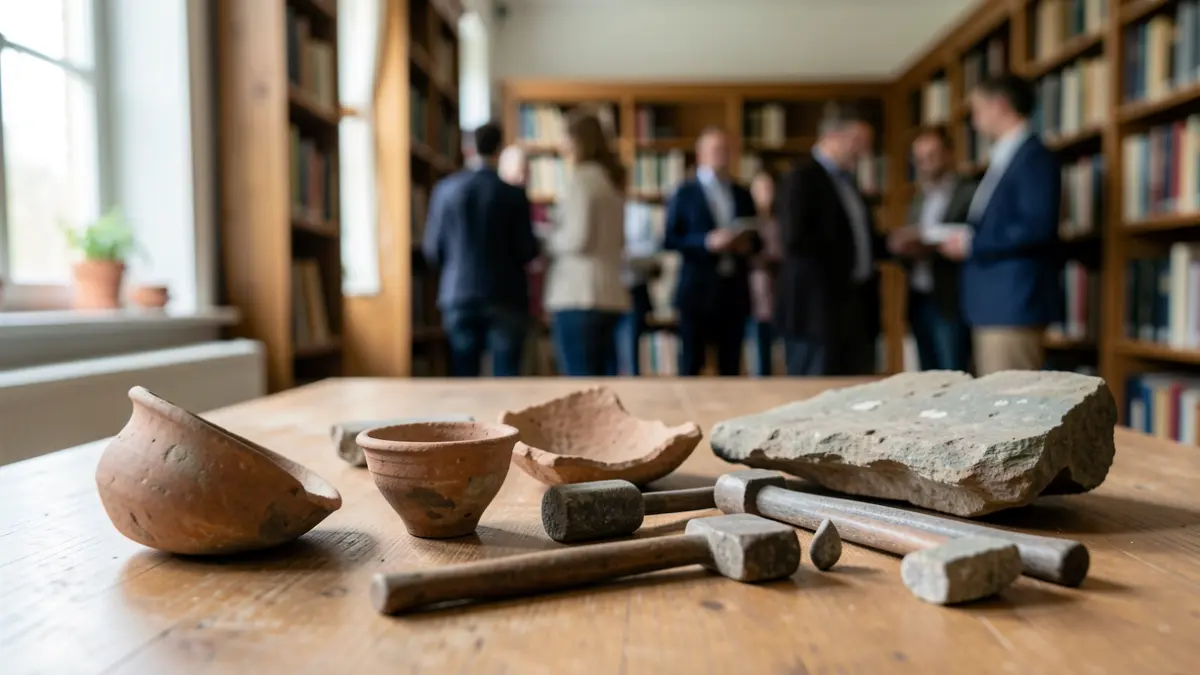
Dental analysis has been particularly revealing. The wear observed on teeth is not due to poor nutrition, but to the presence of abrasive particles from stone mills used to process grain. Likewise, differences in skeletal remains between islands such as Tenerife, La Gomera, or Gran Canaria demonstrate specific adaptation to the geographical environment and cultural divergence marked by insular isolation.
Far from the image of a primitive society, studies confirm that these communities possessed advanced technical knowledge in basketry, stone carving, and hide processing. Life expectancy, although influenced by high infant mortality, allowed many individuals to reach advanced ages, receiving care and attention from their social group.