This transformation of the ocean from a carbon sink to a source has been observed over the past three years. The 2023 marine heatwave, which raised ocean temperatures by 0.5 degrees, has created an inertia preventing marine thermometers from returning to normal, even during winter.
Scientists are still unsure if the marine ecosystem will be able to recover its previous state. This situation is already causing visible consequences in ecosystems, making them less hospitable for endemic species and more attractive for exotic species, some of which are toxic.
“"During successive winters, the temperature has not dropped as much as it should have."
In 2023, the island ocean experienced an unprecedented marine heatwave, lasting over 400 days and pushing temperatures to historical highs. That same year, the Canary Islands recorded the warmest period since records began, with an average temperature of 20.1 degrees and only a quarter of the expected rainfall. These figures were two degrees higher than those recorded in previous years.
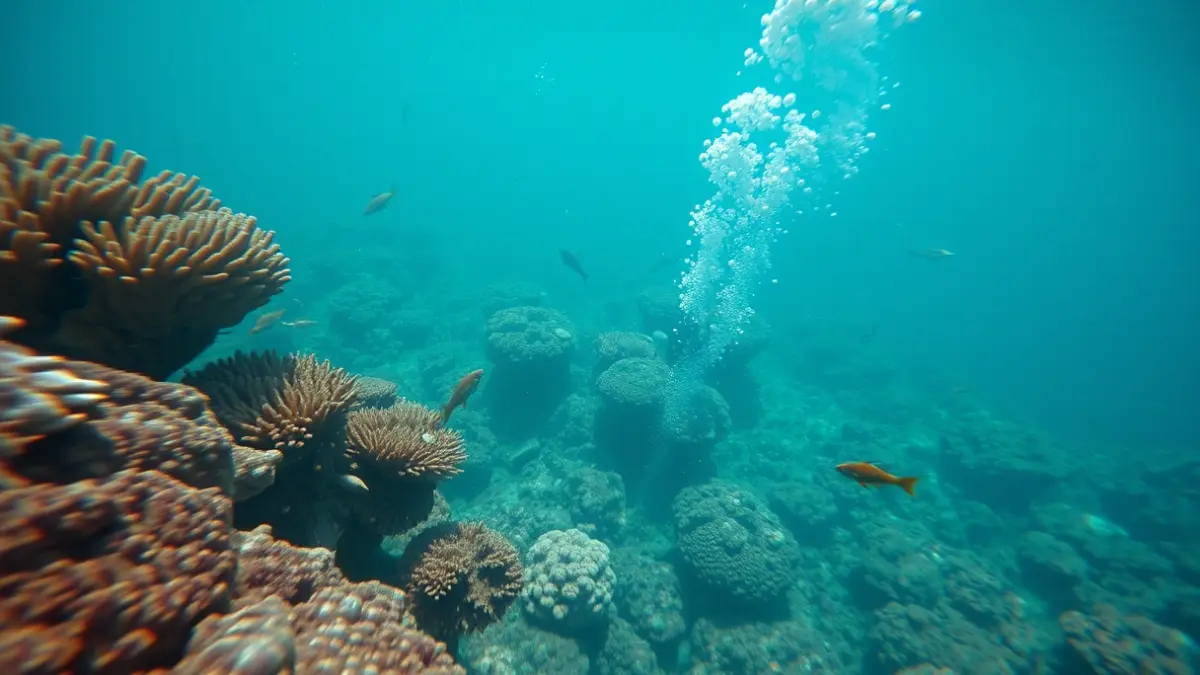
The rise in temperatures has led to a significant increase in carbon dioxide concentrations in the sea, which has reached its limit as a carbon sink. This means that ocean acidification has accelerated, affecting organisms with calcareous shells such as corals and gorgonians, and endangering their survival.
“"The sea around the Canary Islands no longer acts as a sink, but as a source of carbon dioxide."
Furthermore, this change in marine conditions facilitates the proliferation of invasive, exotic, and potentially toxic species, while important native species, such as brown algae of the genus Cytoseira, are disappearing. These effects have significant implications for the blue economy of the Canary Islands, impacting agriculture, fishing, and the development of marine infrastructures, such as desalination plants.