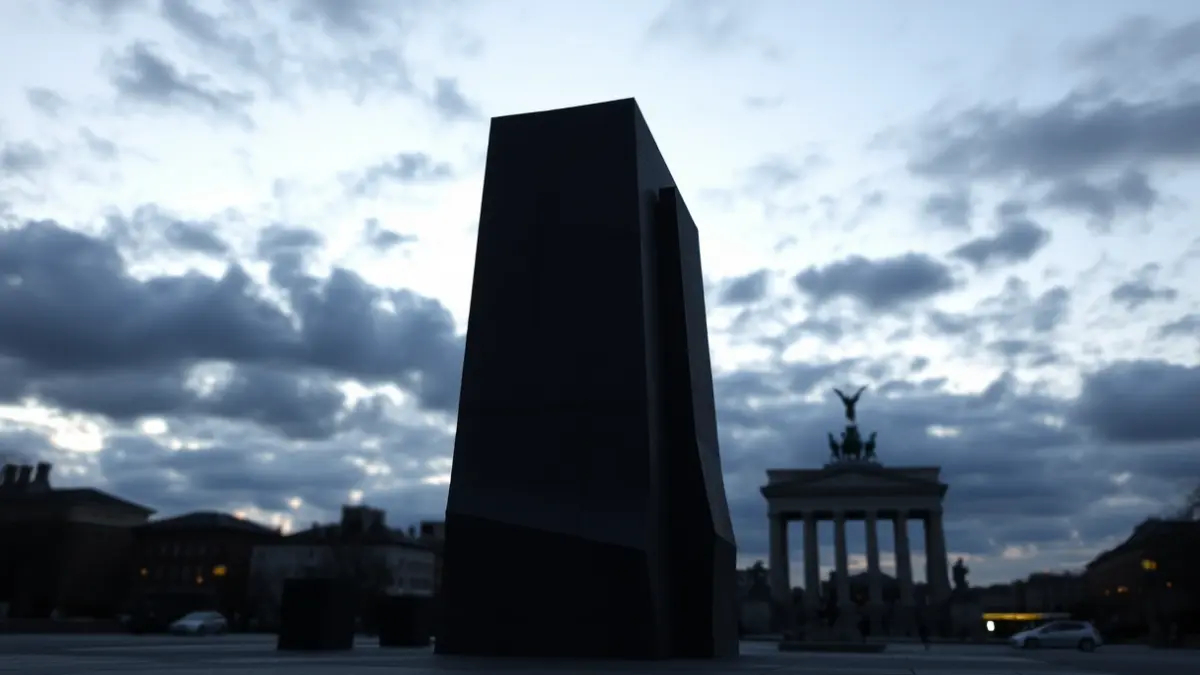
The technical panel of the cultural heritage area of the Government of the Canary Islands has issued an unfavorable opinion regarding the protection of the well-known monument located in Santa Cruz de Tenerife. The majority of the panel members opposed the BIC declaration, with only one abstention, and the report will now be submitted to the Cultural Heritage Council of the Canary Islands for consideration.
“"We are extremely pleased with this outcome. It is a necessary step to put an end to a symbol that directly clashes with democratic values and constitutes an offense to victims."
A historical memory association in Tenerife has expressed "deep satisfaction" with the "forceful technical rejection." Following this decision, they have urged the Cabildo de Tenerife and competent authorities to proceed "immediately" with the removal of the symbol from public space. The same association noted that they have been requesting a meeting with the president of the island corporation since early February without receiving a response.
The work, originally conceived as an "apology for Francoist peace," is considered by the association to be "an element of exaltation of the dictatorship." There are two reports opposing its declaration as a BIC and two others that, while highlighting its artistic value, omit its historical context and its meaning as an exaltation of the dictatorship.
Among the unfavorable reports is one from the University of La Laguna, which argues for the absence of "exceptional artistic values" and emphasizes the historical context of the work. This report highlights the author's connection to the symbolic production of the Francoist dictatorship, the Catholic Church, and the political-economic elite of the regime, noting that the function of such works was to "celebrate and propagate an ideological vision of the political system in force during the dictatorship."
Another opposing report comes from Museos de Tenerife, which cites contemporary press publications, such as a 1966 article from La Vanguardia, describing how the monument reflected "all the historical content" of the figure, including references to the "Crusade in defense of the high values of the homeland" and the "waterfall, a reminder of the heroes who, in an unstoppable march, placed themselves under the command of the valiant captain."
Conversely, reports supporting the statue's protection, without addressing its political significance, come from the Royal Academy of Extremadura of Letters and Arts and the Royal Academy of Fine Arts San Miguel de Arcángel. These focus on the sculptor's notable monumental production and his relevance as a figure in the figuration of the era, respectively, without considering the ideological message of the work.