This initiative, promoted by the vice-president and Minister of Tourism of the Cabildo de Tenerife, Lope Afonso, aims to bring this unique natural space closer to the local population and promote knowledge of one of the island's most singular volcanic sites. The measure seeks to reinforce the responsible tourism model in this volcanic tube.
In 2025, the Cueva del Viento received a total of 23,409 visitors from 63 nationalities, achieving 96.5% occupancy of the offered spots. The management of the tourist resource, handled by the public company Ideco, is based on the environmental and geological preservation of the space.
Visits are conducted in small groups, with a maximum of 15 people, to control the impact on the galleries and preserve the natural conditions of the volcanic tube. Minister Afonso highlighted the importance of balancing tourist interest with the preservation of this sensitive environment.
Currently, the management team is studying the possibility of implementing a night route and opening a new gallery, always under technical and conservation criteria to diversify the visitor experience without compromising the stability of the space.
During 2025, 1,552 guided tours were organized, primarily in Spanish, English, and German. The site also hosted 154 organized groups and 24 educational centers, consolidating its role as both a tourist resource and a tool for scientific and environmental dissemination. Approximately 3,215 Canary residents visited the cave last year.
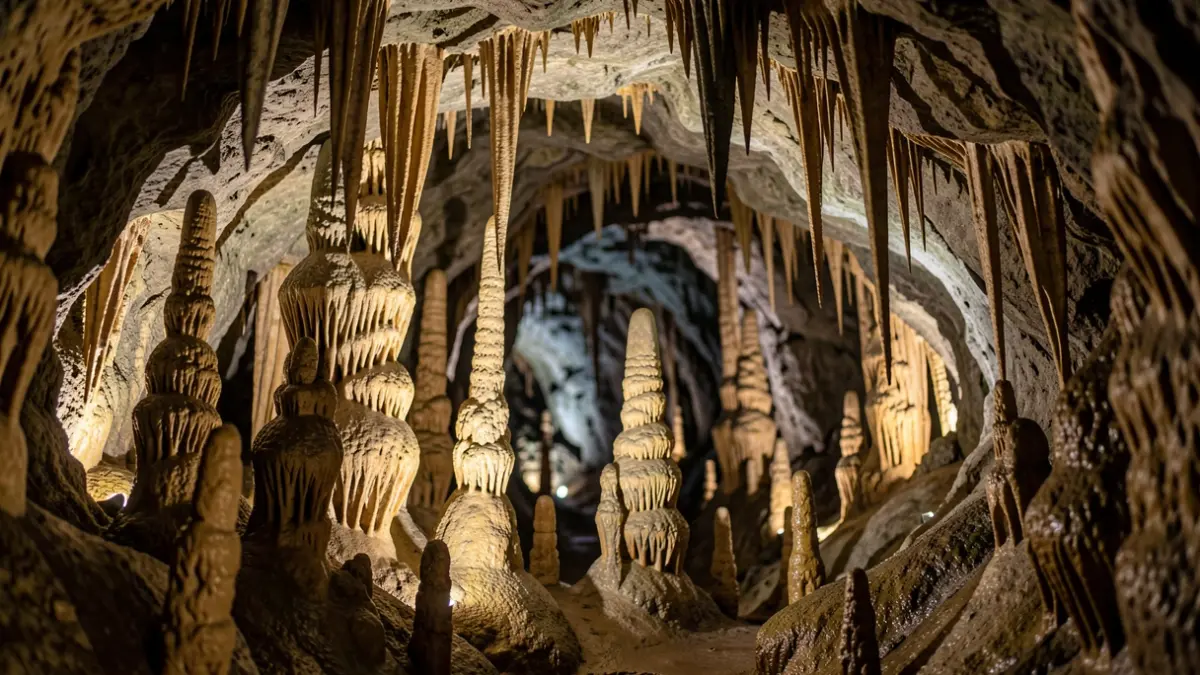
The visit maintains a marked speleological character, requiring the use of helmets and individual lighting, as the galleries have not been artificially adapted. Insular counselor José Carlos Acha emphasized the need to maintain the cave's natural configuration.
The Cueva del Viento, formed approximately 27,000 years ago by lava flows from the Pico Viejo volcano, is the longest volcanic tube in Europe. Its network of galleries, distributed across three levels, hosts endemic species such as the Loboptera subterránea and archaeological and paleontological remains.
Satisfaction surveys reflect a high valuation of the experience, with scores of 5 out of 5 for German visitors and 4.8 for British and Spanish tourists. The mayor of Icod de los Vinos, Javier Sierra, thanked the Cabildo for the initiative to facilitate access to this "natural treasure".
General admission costs 25 euros for adults and 8.50 euros for children (5-12 years old). Canary residents benefit from reduced rates of 15 euros for adults and 5 euros for minors. Reservations are made through the official website.