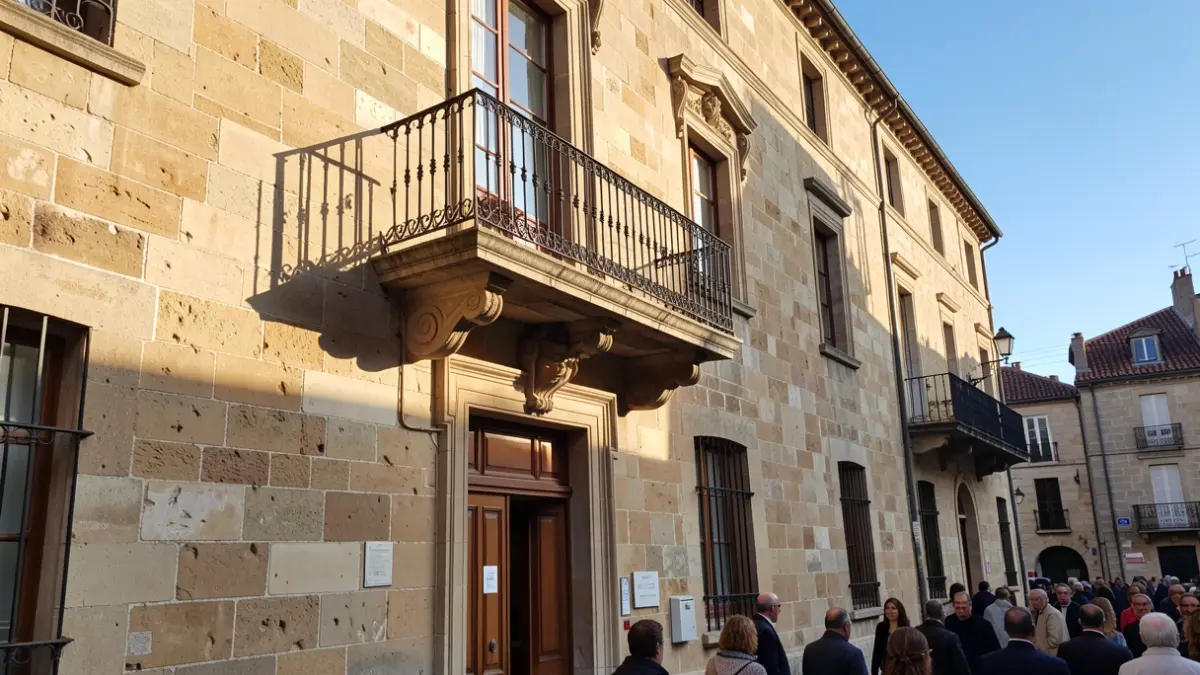
The Antonio Pintor Courtyard at MUNA will be the venue on September 2, 2026, at 7:00 PM for an event titled "Candelaria/Chaxiraxi Guadalupe/Tonantzin." Admission will be free until full capacity.
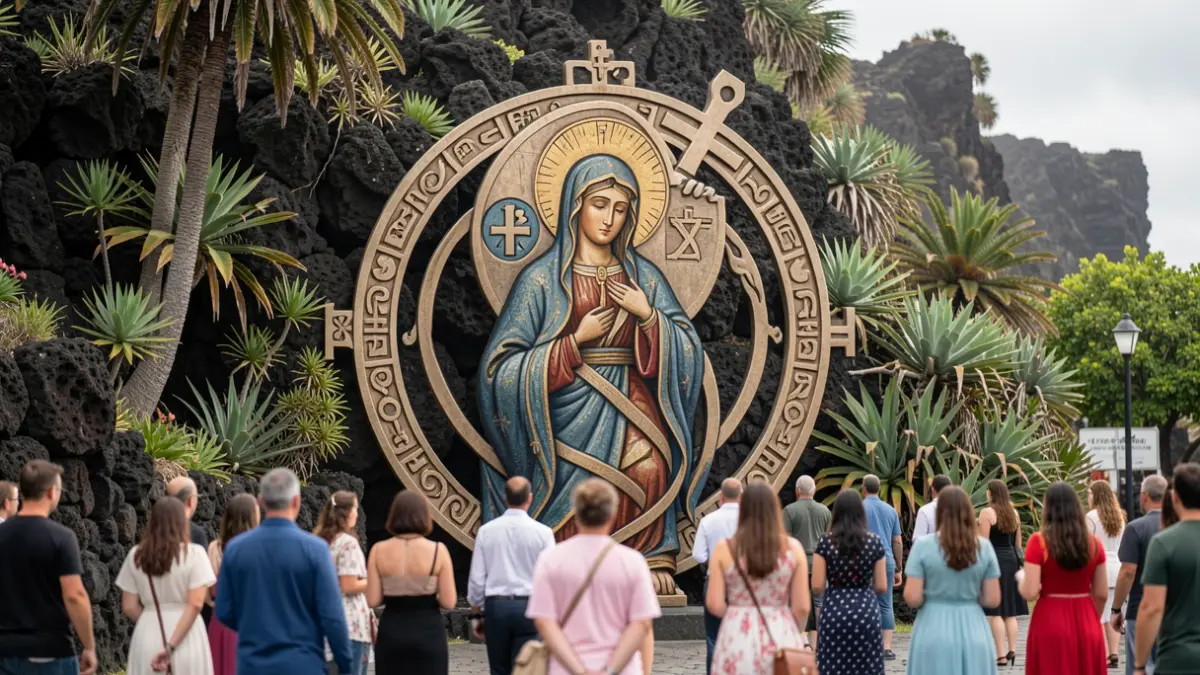
Researcher and creator Larisa Pérez will explore the project "Vírgenes y momias" (Virgins and Mummies), an (auto)ethnographic inquiry that recovers the insular-Amazigh memory linked to the Virgin of Candelaria. Pérez will analyze how these marginal memories, through spiritual, aesthetic, and political resistances, persist to this day, using comparative analysis of Marian cults in Europe, Africa, and Abya Yala. This project, initiated in 2023, has included research residencies and workshops, as well as performances and lectures.
For her part, researcher and live arts creator Gloria Godínez will address the issue of the body as a living archive and its capacity to perform the past, especially in relation to institutions such as temples and museums. Godínez will present her performance "Profecías de Tonantzin" (Prophecies of Tonantzin), which explores the figure of Tonantzin, the Earth in Nahuatl, and her connection to the Virgin of Guadalupe, highlighting her role as a political symbol in Mexico's history and her current relevance.
Both participants, Larisa Pérez Flores, a Doctor of Philosophy and lecturer at the University of Las Palmas de Gran Canaria, and Gloria Godínez, who holds a PhD in Literature and Literary Theory from the University of Las Palmas de Gran Canaria, will contribute their perspectives on decolonization, territorial feminisms, and the intersection of vernacular knowledge from Mexico and the Canary Islands.