Beer consumption in Spain fell by 4.4% in 2025, reaching 50.5 liters per person per year. According to the association Cerveceros de España, the decline is attributed to spending restraint due to inflation and a change in leisure habits affecting alcoholic beverages in general.
In contrast, sales of alcohol-free beers saw a 4.6% increase during the past year. Furthermore, a production record was registered, consolidating Spain as the second-largest beer producer in Europe.
The most significant decrease in consumption was observed in bars and restaurants, with a 2.4% volume decline, while distribution saw a 0.4% growth. In value terms, beer accounts for 1.3% of the gross domestic product (GDP) and generates 540,000 jobs.
The report highlights that over 90% of the raw materials used in beer production are of national origin, underscoring the sector's commitment to Spanish agriculture.
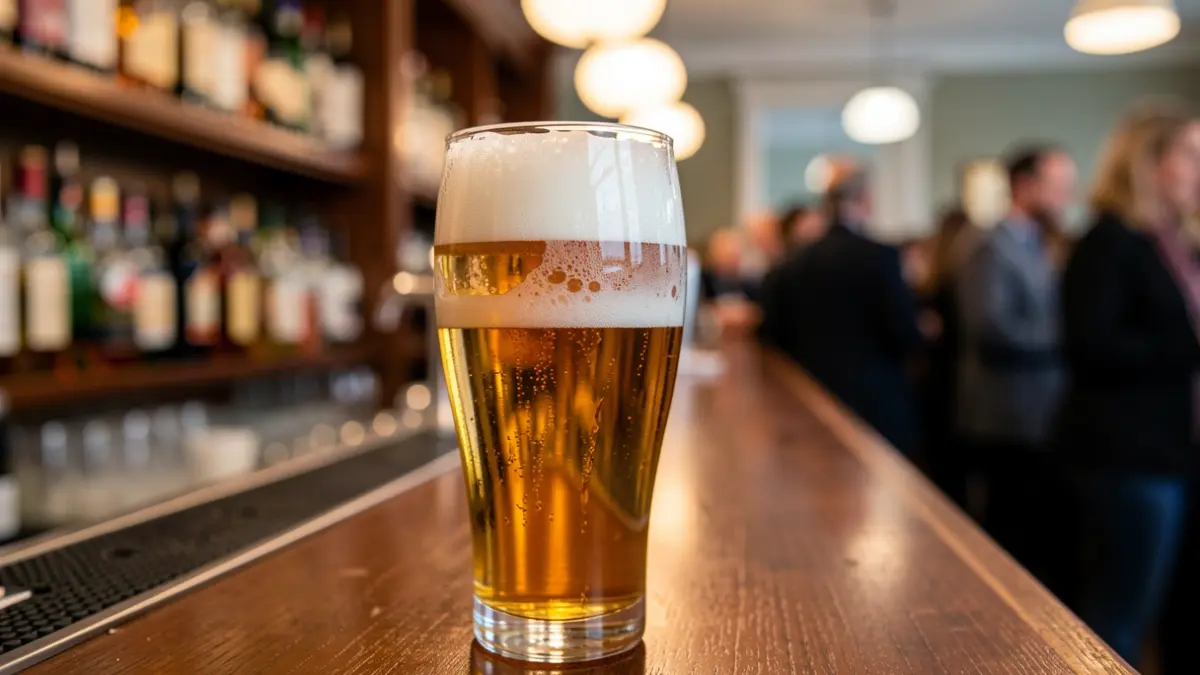
In the hospitality channel, beer represents 44% of total beverages consumed and 25% of revenue. 82.4% of beer sold in this channel is served in reusable containers, which remain the preferred option.
Sales of alcohol-free beer grew by 4.6%, reaching 3.3 million hectoliters and accounting for 14% of total consumption. The vast majority of establishments now offer 0.0% beer.
Spain remains the second-largest beer producer in the European Union, with a record 41.52 million hectoliters in 2025, a 0.5% increase from the previous year. Globally, it ranks eighth, with an 8% growth in exports.
Beer imports decreased by 4%, with Belgium being the main supplier, followed by Portugal and France.