The Government of the Canary Islands and the Association for the Recovery of the El Hierro Wolfdog (Amilobo) are taking decisive steps towards having the lobito herreño included in the Official Registry of Livestock Breeds of Spain, managed by the Ministry of Agriculture, Fisheries and Food.
The Minister of Agriculture, Narvay Quintero, met at the Finca Fuente del Río, in Echedo, with the president of Amilobo, Manuel Pérez Ramírez, to coordinate the next stages of the application. The virtual meeting also included the Director General of Livestock, Andrés Díaz Matoso, and the head of the Livestock Production, Improvement, and Marketing service, Juan Muñoz.
The official request must be channeled through a breeders' association. The meeting served to review the documentation, define the next steps, and determine the technical support the regional executive can provide.
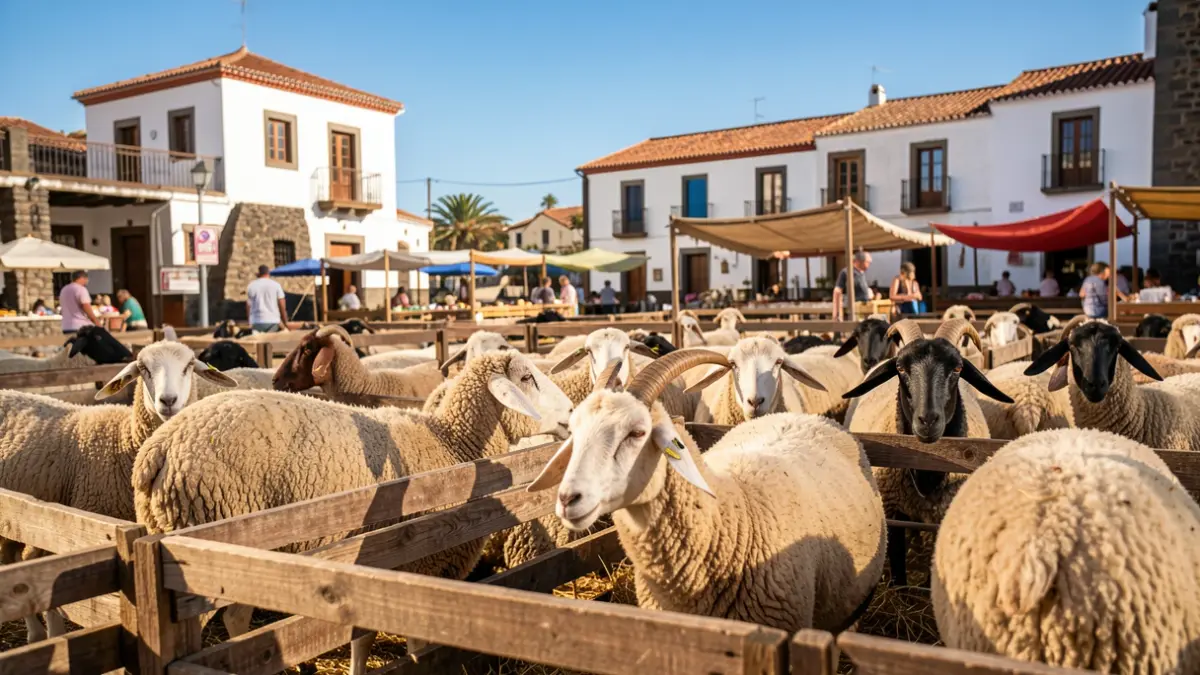
Historically, the lobito herreño has been linked to the herding of goats and sheep in El Hierro. Although its exact origin is not fully determined, there are references and testimonies about the presence of small, wolf-like dogs associated with livestock management on the island.
The breed was close to extinction in the seventies due to the introduction of foreign breeds. However, since the eighties, reproduction efforts initiated by Amilobo have helped reduce inbreeding and recover specimens that conform to the lobito herreño standard.
Amilobo has been working since 1988 on the recovery, reproduction, dissemination, and training of the lobito herreño. In 2013, the association achieved the first registration through morphological examination and DNA testing, laying the groundwork for its genealogical tree.
An important milestone was the recognition of the lobito herreño as an ethnic group by the Royal Canine Society of Spain in 2015, a key preliminary step towards its definitive recognition as an autochthonous breed.
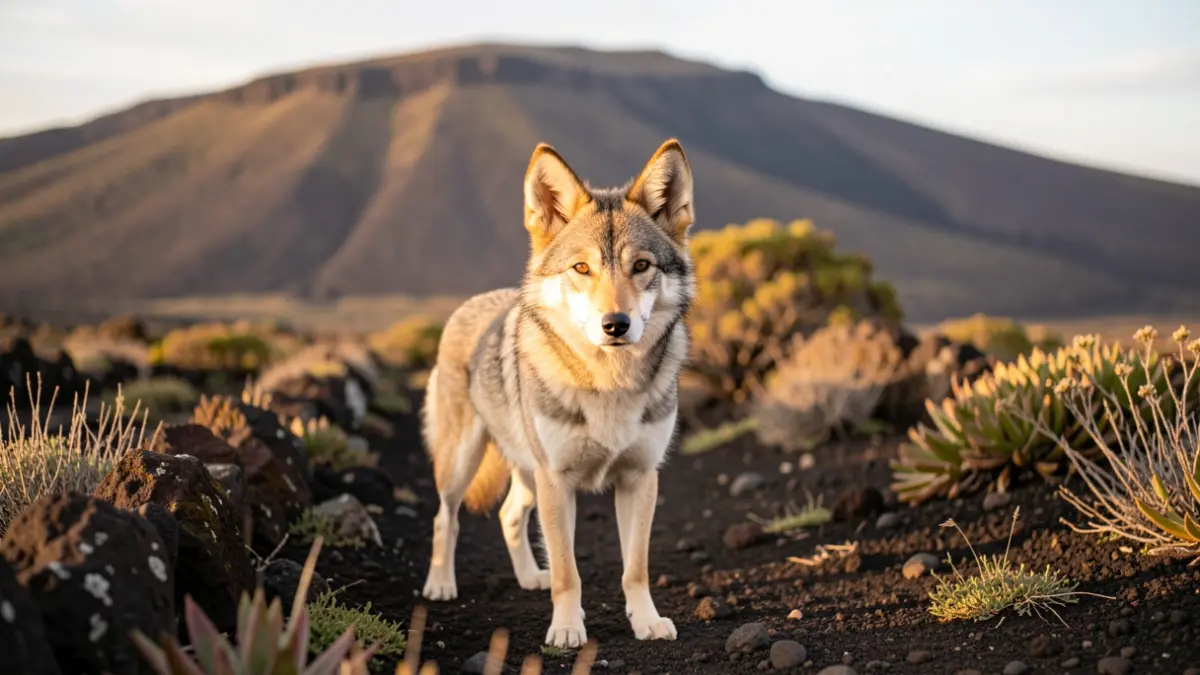
A morphometric study conducted in 2011 by the Canarian Institute of Agrarian Research, in collaboration with the University of Las Palmas de Gran Canaria, detailed its main characteristics: medium size (21.9 kg for males, 21.1 kg for females), triangular head, elongated muzzle, dark eyes, short ears, broad tail, and short, dense coat typically grey, though it can also present reddish or cream tones.
Manuel Pérez, president of Amilobo, indicated that the breed now has specimens not only in the Canary Islands but also on the Iberian Peninsula, in other European countries, the United States, and Venezuela. He stated that the technical documentation is well advanced and that it has been proven to be a distinct breed.
Minister Narvay Quintero emphasized that recognition would be a significant step in protecting a genetic, livestock, and cultural heritage unique to El Hierro and the Canary Islands as a whole.
For his part, Andrés Díaz Matoso, Director General of Livestock, highlighted that the conservation of autochthonous breeds is part of the Government of the Canary Islands' strategy to protect the archipelago's livestock biodiversity and preserve genetic resources linked to its history, territory, and traditional management practices.
Traditionally, the lobito herreño has served as a valuable herding dog in El Hierro due to its endurance and work capacity. Its recovery is linked to the efforts of shepherds and breeders who have maintained its unique characteristics amidst crossbreeding and population decline.
Recognition as an autochthonous breed will strengthen its protection, regulate its breeding, and consolidate its value as part of the Canarian livestock and cultural heritage.