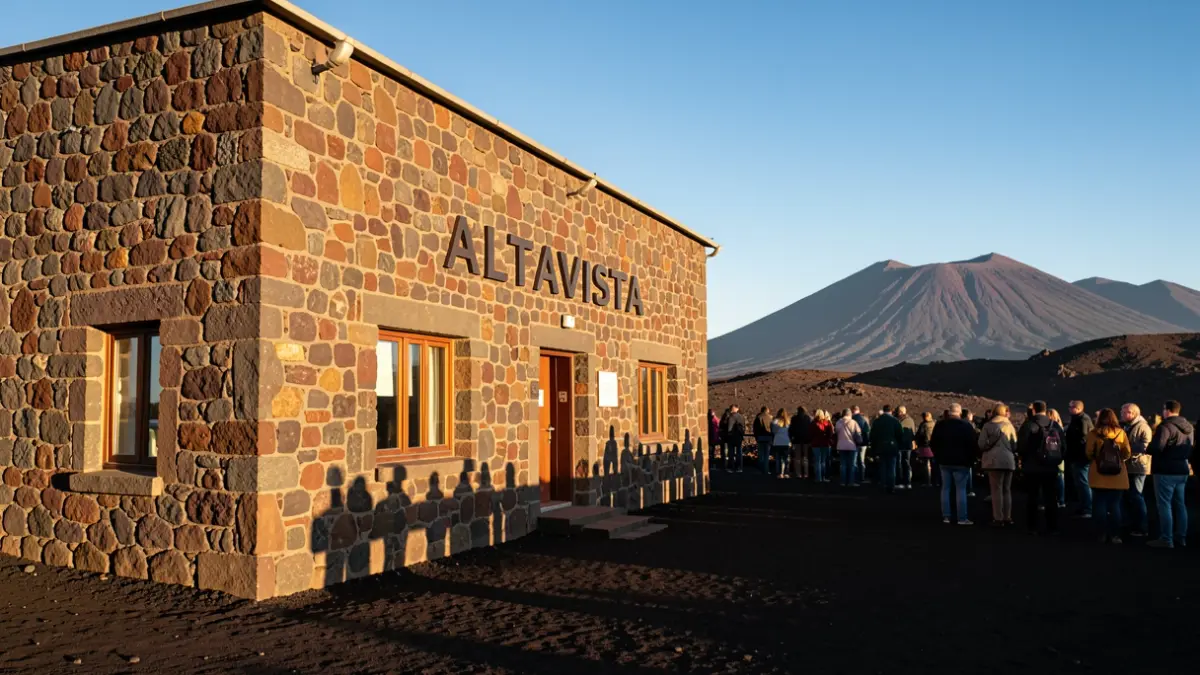
The Altavista Refuge, Spain's highest mountain shelter, has undergone a complete renovation prioritizing health, light, and sustainability. One of the most notable new features is the implementation of a cross-ventilation and air extraction system. This system aims to continuously renew the interior atmosphere and mitigate the buildup of carbon dioxide, which previously caused discomfort among visitors, often mistaken for altitude sickness.
After being closed for six years, the refuge, situated at 3,260 meters, is reborn as a more open and healthier space. The renovation includes a new infirmary equipped for emergencies. Windows, now without bars, allow for greater natural light, and the removal of several walls has created a large main area combining a reception and resting space. A second floor, accessed by two staircases, offers about ten beds.
The refuge's capacity has been reduced to 49 people to "improve the quality of the stay." Curtains have been added to the beds for increased privacy, each equipped with a USB port. Bathrooms have been relocated, and the dining area remains in its original position. The former stables have been converted into an additional room with two restrooms, retaining the chimney as the only vestige of the old infrastructure.
Sustainability has been a central focus of the renovation, integrating solar panels, a sanitation and purification network, and advanced thermal insulation, establishing a new model for high-mountain accommodation.
Starting next Monday, the refuge will commence operations under the supervision of seven wardens. It will be open 24 hours a day, except on December 24th and 31st, offering accommodation at 29 euros for residents of Tenerife, 71 euros for non-residents, and 56.8 euros for federated mountaineers who are not residents.
Antonio Rodríguez, who managed the facility for over 20 years, described the refuge's new appearance as "a five-star hotel" and recalled both solitary, pleasant moments and distressing experiences he lived at high altitude.