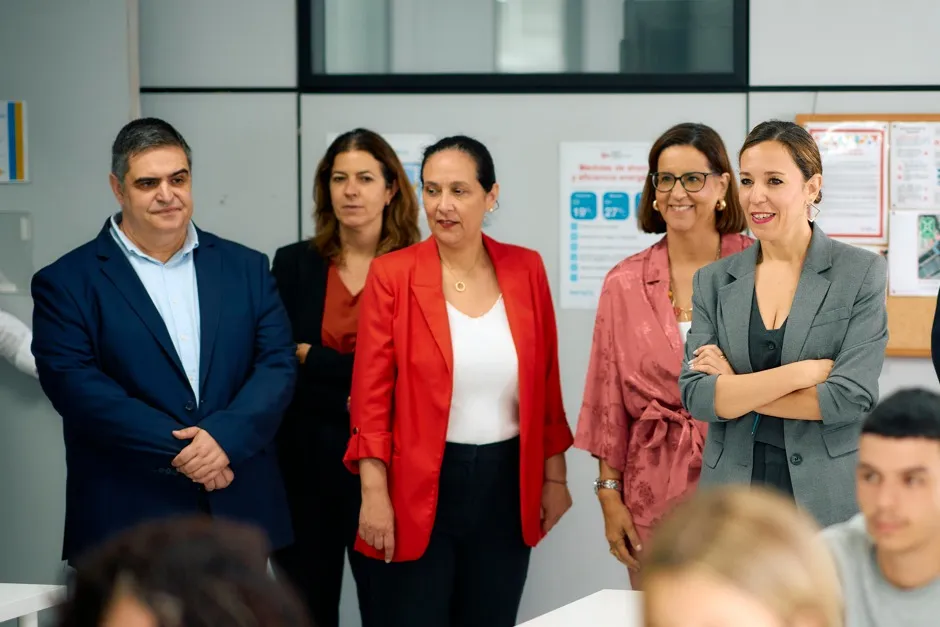
School bullying, a social problem that concerns citizens, appears to have intensified in recent years, partly due to the rise of mobile devices and consequent cyberbullying. In response, a course led by Celia Morales Rando from the Department of Specific Didactics at the University of La Laguna, held at the Adeje Summer University, aims to equip teachers with indicators to detect these situations. Morales Rando emphasizes the importance of teacher training, as the profiles of bullies, victims, and the methods used have changed.
During the first session, practical recommendations were offered for educators to identify early signs of bullying in the classroom, during breaks, or even at home. A key indicator is observing behavioral changes in students, such as a shift from being cheerful and engaged to appearing sad or angry without apparent reason.
The expert stresses the need to address the problem early to prevent severe long-term consequences, including depression, anxiety, eating disorders, or suicidal thoughts. She also highlights the importance of maintaining fluid communication with affected minors, warning against dismissing their problems as "kid stuff," which can lead to isolation and reluctance to seek help.
Bullying is distinguished from typical arguments or fights among children; bullying is characterized by its persistence over time and a clear power imbalance between the aggressor and the victim. The aggressor exerts power over a child who is in a helpless situation.
The course included practical exercises using two techniques for addressing school bullying: the sociogram and storytelling. The sociogram, a psychological method from the 1930s, uses questionnaires for students to characterize the group based on their perceptions, providing a visual overview of relationships, leaders, and roles within the classroom. Storytelling, through writing, is presented as an ideal tool for children who are unaware they are being bullied or are hesitant to speak about it, allowing them to express their experiences.
Once bullying is detected, educators can implement the protocol designed by the Regional Ministry of Education. However, the expert recommends paying attention to the initial signs to prevent the situation from becoming entrenched. Tasks for regular classroom activities are proposed, and if these are insufficient, the need for multilevel intervention involving all relevant agents, including the ministry and specialized services, is emphasized.
The course also featured contributions from Rebeca Villarroel from the Department of Evolutionary and Educational Psychology, who delved into indicators within the family environment and cyberbullying. A recording of an intervention by Javier Batista Espinosa, also from the Department of Evolutionary Psychology, focusing on cyberbullying—cases of which have doubled—is available on the virtual campus.