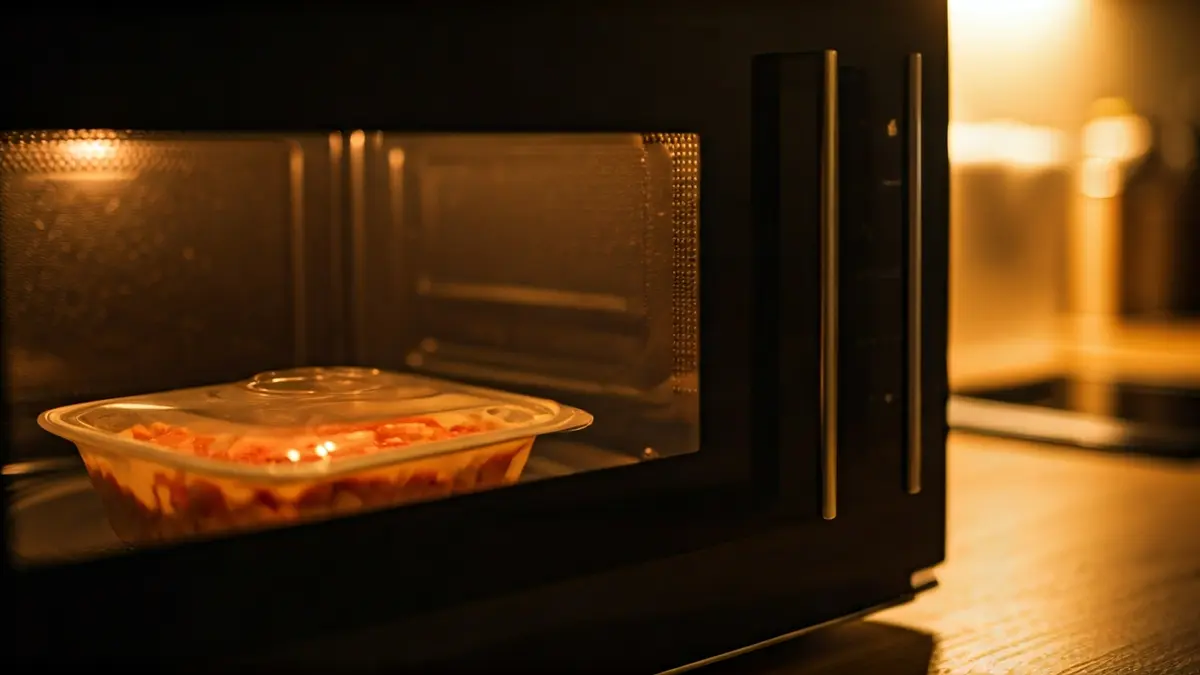
The shopping basket of Canarians has evolved significantly, incorporating international products and fast food options. This change is largely due to the lack of time for elaborate cooking, a reality for many residents of the Islands.
Alonso Fernández, general secretary of the Canary Islands Supermarket Association, highlights the rise of ready-made meals. Contrary to popular belief, this phenomenon does not necessarily imply poorer nutrition, as many establishments offer fresh dishes prepared daily, such as chicken thighs with potatoes, tortillas, or lasagnas, which consumers only need to heat.
“"It's practically homemade food; the main difference is that it comes ready, and the consumer only has to heat it at home, in the office, or wherever they want to enjoy it."
Consumers, like Ainoa Galdona, a 33-year-old resident of Tenerife, seek a balance between healthy eating and speed. Ainoa, a mother and full-time worker, occasionally resorts to ready-made meals, especially on busy days, although she prioritizes home-cooked food for her daughter.
In contrast, Bárbara Rodríguez, known as Charín, 78 years old and residing in Charco del Pino (Granadilla de Abona, Tenerife), defends traditional cooking. With experience in hospitality and a gastronomic award, Charín grows her own ingredients and prepares dishes like cabbage stew, an emblem of Canarian gastronomy, hoping that new generations will keep this tradition alive.
The internationalization of Canarian society, driven by migration and tourism, has also influenced supermarket offerings, which now include a wide variety of foreign products such as sushi, açaí, and Mexican food. These new foods coexist with traditional ones, creating a balance between loyalty to local cuisine and openness to new preparations.