Improper animal transport in vehicles can lead to significant fines and loss of driving license points, as warned by the General Directorate of Traffic (DGT) and the Civil Guard. The latter has intensified its surveillance on Tenerife drivers to ensure compliance with regulations.
The DGT emphasizes that it is essential to comply with current regulations when traveling with pets, not only for the animal's comfort but primarily for the safety of all vehicle occupants and other road users. Article 18.1 of the General Traffic Regulations establishes the driver's obligation to maintain freedom of movement and an adequate field of vision, ensuring that transported objects and animals do not interfere with driving.
People who own animals must know the rules that apply to them and what should be done and avoided. If we comply, we will contribute to improving Road Safety for our own benefit and that of the rest of society.
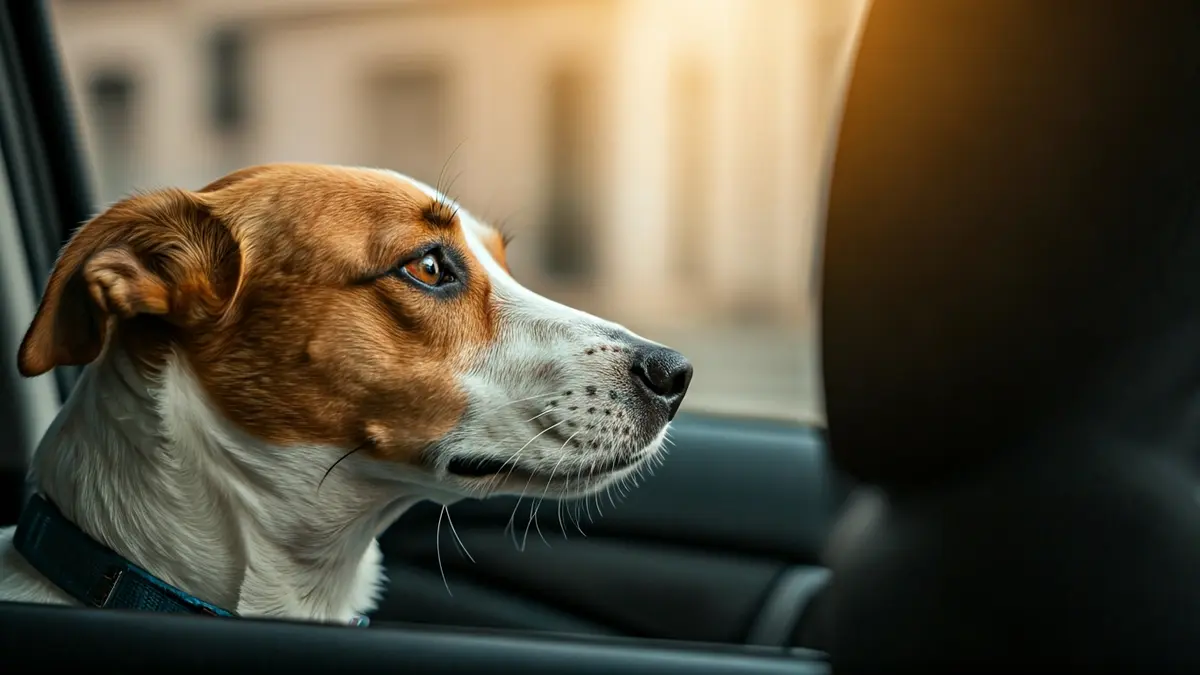
Key recommendations from the DGT include prohibiting travel with unrestrained animals in the passenger compartment, using appropriate restraint systems such as harnesses or carriers, and making stops every two hours for rest and hydration. It is also emphasized not to leave pets in the car in high temperatures and to maintain proper ventilation.
Penalties for non-compliance vary depending on the severity. Transporting a pet without proper restraint is considered a serious offense, with a fine of 200 euros. If the animal travels freely in the vehicle or on the driver, it is classified as “negligent driving,” incurring a fine of 500 euros and the deduction of 6 points from the license. In the most severe cases, such as an accident with an unrestrained animal, the infraction can be considered “reckless driving,” with fines of 1,000 euros and the loss of 6 points.