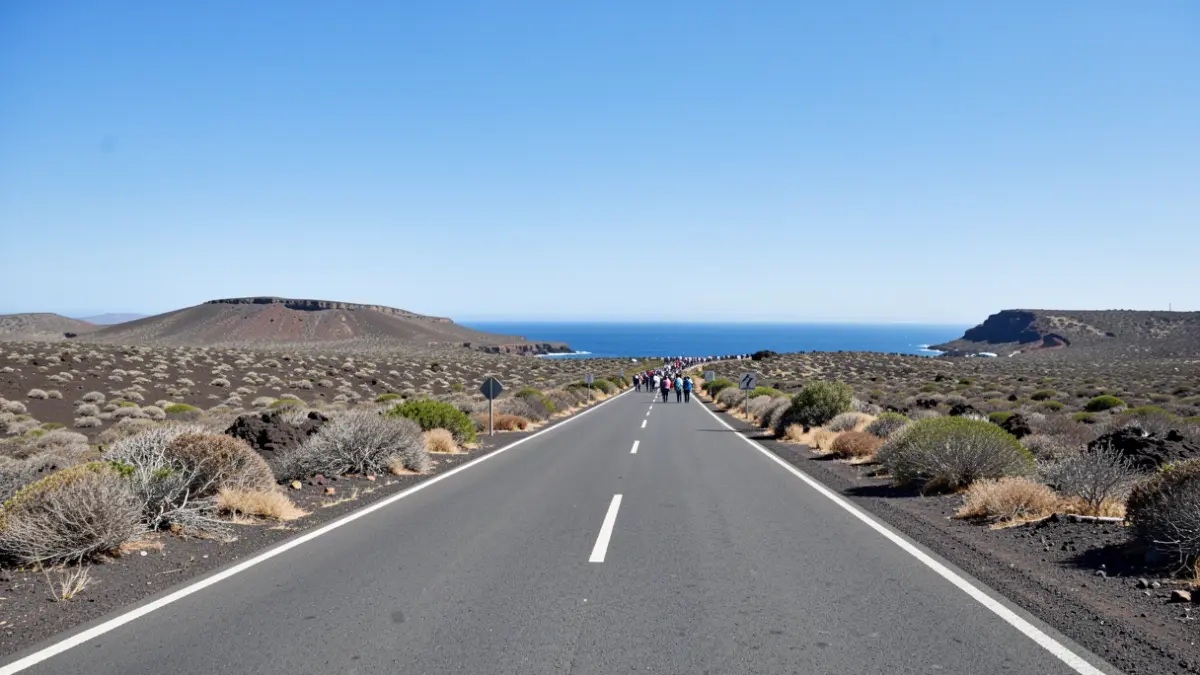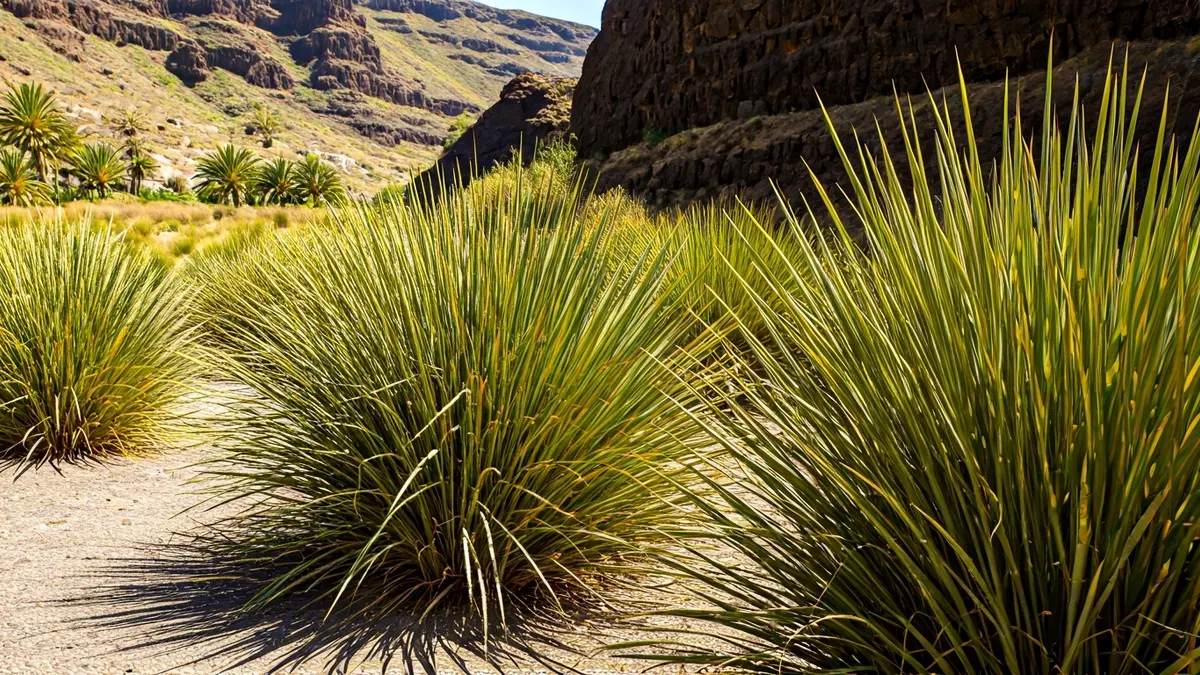
Despite its widespread presence, which might suggest an indigenous origin, the giant reed is an invasive species that has displaced native flora. Its adaptability and growth capacity in the archipelago have been so significant that it is now considered a naturalized species.
Digital popularizer @biolomarcos has highlighted how easily this plant is found in Canarian ravines, where it has found “water, sun, and space,” allowing it to grow “non-stop” and become a distinctive landscape feature, at the expense of local species.
Originally from Asia, the giant reed arrived in Western Europe around the 16th century. Its natural dispersion and versatility made it popular for everyday uses such as agricultural support, animal feed, and local crafts, contributing to its spread.
“"In the Canary Islands, it found water, sun, and space in the ravines."
The International Union for Conservation of Nature (IUCN) has listed the giant reed as one of the 100 most dangerous species globally due to its high invasive capacity and ability to alter the habitats it colonizes. The Spanish Government has warned about the serious impacts this plant can generate.
Among the threats it poses are the complete displacement of native vegetation, the impoverishment of terrestrial fauna habitats, the reduction of drainage capacity in rivers and channels, and an increased risk of fires due to the large biomass it produces. Furthermore, its dense rhizome network prevents the growth of other species, hindering the regeneration of native flora.