The research, published in the scientific journal Water International, examines the current state of groundwater on the island and the potential of so-called hydraulic closures in water galleries. La Palma relies almost entirely on underground resources (between 93% and 95%), due to the absence of large permanent surface watercourses.
For decades, the drilling of galleries increased water availability, boosting agricultural development and the expansion of banana cultivation. However, this intensive exploitation has generated significant environmental effects, such as the progressive reduction of springs. According to the study, at the end of the 19th century, there were around 200 active springs, while currently only about 53 remain.
Many springs have experienced a considerable decrease in their flow. Clear examples include those of Marcos y Cordero or those associated with the Caldera de Taburiente National Park, where the number of springs has dropped from 120 to around 70. This reduction affects sensitive ecosystems, biodiversity, and has economic and social repercussions for agricultural areas such as Argual, Tazacorte, San Andrés y Sauces.
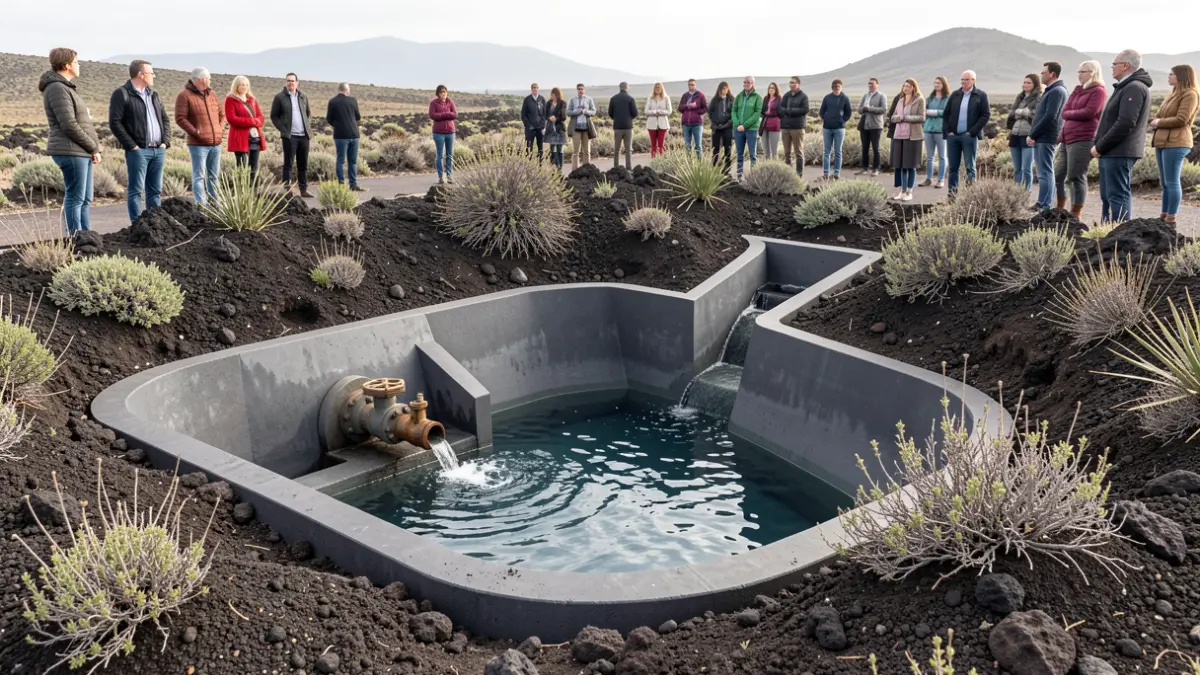
Faced with this scenario, researchers propose the installation of hydraulic closures in galleries. These devices regulate water outflow and temporarily store it within the aquifer, transforming galleries into natural underground reservoirs. The goal is to prevent unnecessary losses when demand is low and have greater reserves during periods of higher need.
This measure could aid in the recovery of springs, improve aquifer water balance, and reduce reliance on other extraction systems. The study indicates that these solutions could be an important tool against climate change, which may affect rainfall patterns and natural aquifer recharge in the Canary Islands.
To improve the implementation of this technical solution, it is essential to address limiting factors analyzed in the work, which underscore the need for a holistic and multidisciplinary perspective, and to involve local populations.