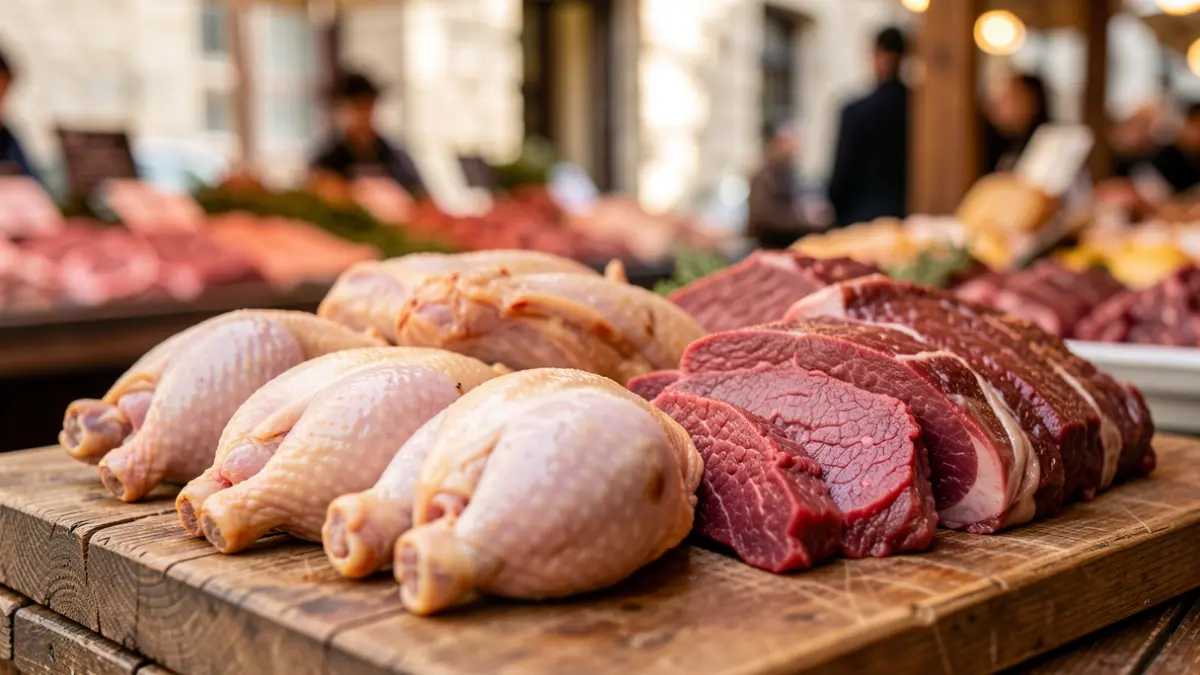
The Tenerife employers' association has indicated that the meat supply crisis, exacerbated by health restrictions on imports from Brazil, could lead to a 50% shortage in the chicken and beef market. This, in turn, is likely to increase costs in the food and hospitality sectors.
These challenges are compounded by the impact of new European packaging regulations, which require millions in investment from sector companies. CEOE estimates that these adaptations, difficult to absorb without affecting the final price, along with the progressive withdrawal of public aid, could pressure the Consumer Price Index (CPI) by up to 0.85 percentage points in the coming months, diminishing competitiveness and purchasing power on the islands.
“"The accumulation of new investment costs and the withdrawal of public aid pose a critical challenge in a time of great global uncertainty."
In light of this situation, CEOE Tenerife has urged public administrations to closely monitor the meat supply shortage issue and consider easing regulatory pressure.
Furthermore, the association's president, Pedro Alfonso, described the July inflation figure in the Canary Islands as "worrying," standing at 3.4%, exceeding levels considered compatible with stability. Alfonso cautioned about the difficulty of eradicating inflation once it becomes persistent.
Alfonso warned that if inflationary pressures continue to spread across Europe, the European Central Bank might be forced to tighten its monetary policy, making financing more expensive for families and businesses, thereby negatively impacting investment, growth, and employment. He highlighted inflation's "significant revenue-generating effect" and the importance of preventing public revenue from becoming irreversible structural expenditure.