The idyllic image of Masca, a significant tourist attraction in Tenerife, hides a harsh reality of historical neglect and unsustainable precariousness for its residents. The massive traffic jams during last Holy Week were just a small glimpse of much deeper problems, according to the Barranco de Masca Neighborhood Association.
The association has raised its voice to demand urgent solutions to historical deficiencies in basic infrastructures such as sanitation, public lighting, and road safety. These issues are exacerbated with each new record of tourist arrivals to the island, directly impacting the residents' quality of life.
“"More than second-class, I would say we are third-class citizens."
Javier Díaz, secretary of the neighborhood association, stated on Herrera en COPE Tenerife the profound sense of comparative grievance felt by residents. Tourist pressure has reached an unsustainable point, even violating the privacy and security of the inhabitants. Tourists, according to Díaz, enter residents' gardens and homes to use their bathrooms, taking advantage of the traditional architecture that places many toilets outside the dwellings.
For residents, this overflow is a direct consequence of a model that prioritizes visitors over inhabitants. Díaz points out that every time a record for tourist arrivals to Tenerife is broken, problems in Masca increase. This situation is not exclusive to their hamlet but is replicated in other hotspots like the Anaga Rural Park or Teide. The community is not asking for special treatment but for equal conditions as the rest of the island's residents.
Infrastructures in Masca seem stuck in the past. Public lighting, with “streetlights from the 80s,” is in a precarious state, with improvised and dangerous repairs leaving cables exposed. However, the most serious problem is the lack of a comprehensive sanitation network in the 21st century. Only the central core, around the square, has this basic service, while the other three housing clusters are forced to use archaic and illegal systems.
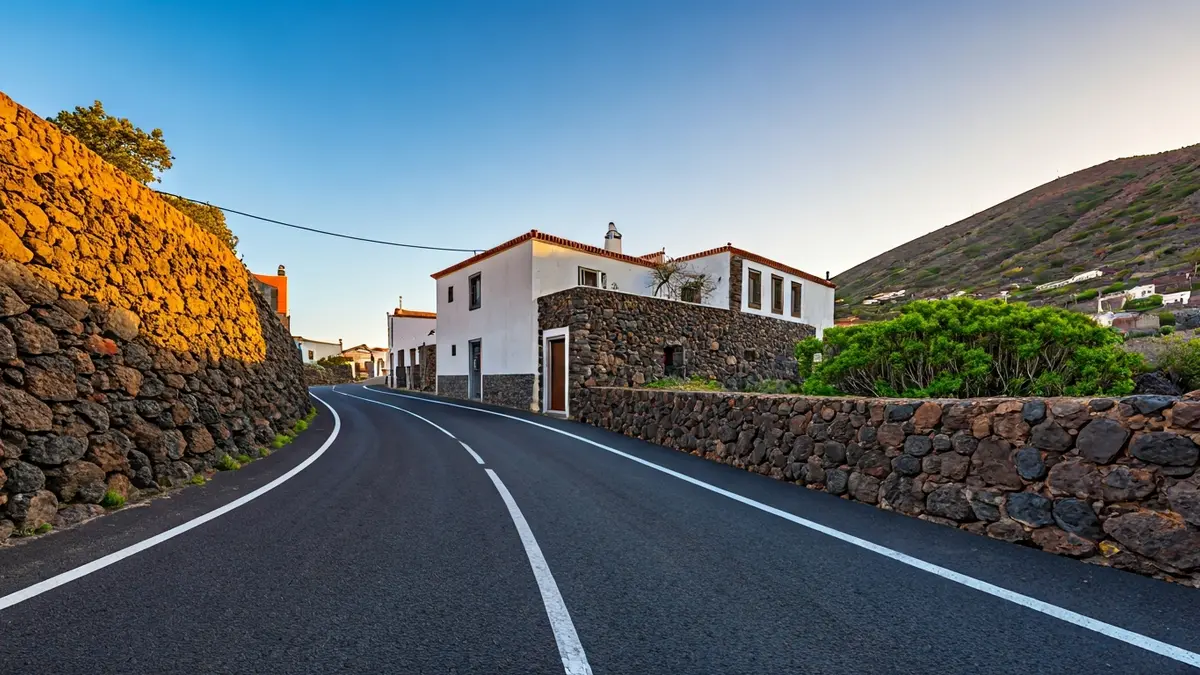
Residents have been demanding a definitive project for wastewater collection for years, but their requests have gone unanswered. Despite visits from technical staff from the Cabildo and the Buenavista del Norte City Council, and their active collaboration, the fieldwork has never materialized into a complete document or actual construction. The access road to Masca (TF-436), built by the residents themselves in the 60s and 70s, is also at its capacity limit, designed for much smaller vehicles than today's.
The general feeling is that decisions are made “from an office,” without considering the local population. Díaz reflects that it is necessary to stop viewing these high areas as mere generators of economic resources based on tourism and start seeing them as living towns and communities. They call for dialogue and action from the administrations, whether the City Council, the Cabildo, or the Government of the Canary Islands, to listen to them and take them into account in planning.