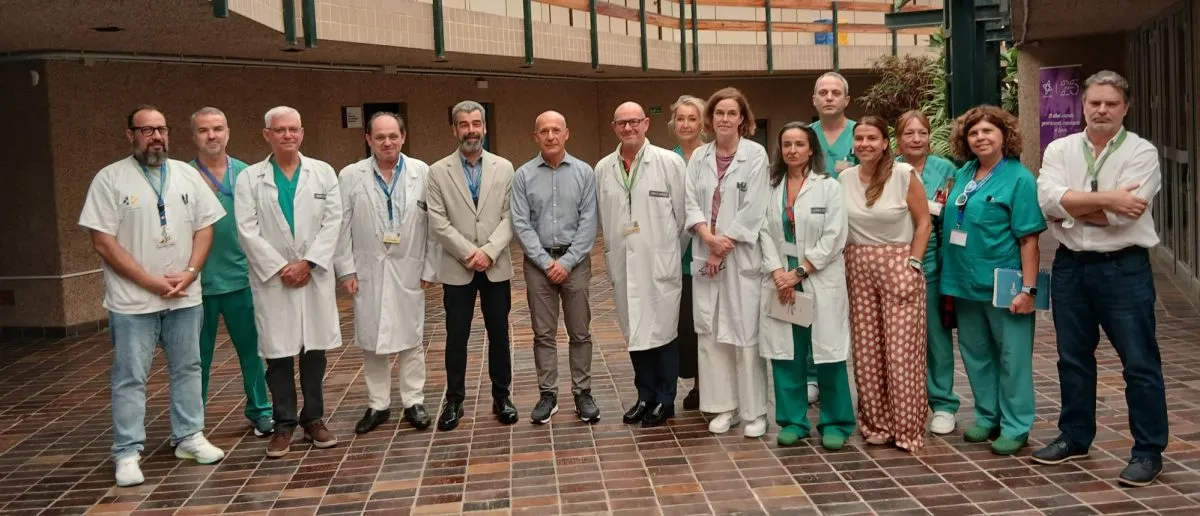
The U.S. space agency has focused on the healthcare capabilities of the Canary Islands, deeming them crucial for its upcoming space missions. This Monday, a NASA delegation will travel to the Hospital Universitario de Canarias (HUC) to examine its specialized facilities and equipment.
NASA's primary interest lies in the hyperbaric medicine resources available at the HUC and IMETISA. These resources are vital for treating potential decompression sickness or specific pathologies that crew members might experience after returning from space, thus ensuring their post-mission well-being.
Due to its strategic position, the Canary Islands could play a crucial role in case of contingencies in the Atlantic Ocean during space capsule splashdowns.
This visit is part of NASA's Artemis program strategy, which aims for the sustained return of humans to the Moon. The geographical location of the Canary Islands makes the archipelago a vital strategic point for the agency, especially for potential emergencies in the Atlantic Ocean during spacecraft splashdowns.
The international delegation includes prominent figures such as James D. Polk, NASA's chief medical officer; Sharmi Watkins, deputy chief medical officer at the Johnson Space Center; Gary Beven, head of Space Medicine; and Travis Houser, head of Contingency Coordination. The meeting will also be attended by senior health officials from the islands, including Adasat Goya, director of the Canarian Health Service (SCS), and the managers of the hospital complex and the Canarian Emergency Service (SUC). With this initiative, Tenerife solidifies its position as an essential security hub in the new era of human space exploration.