This initiative, aligning with the Animal Welfare Law in effect since September 2023, aims to make cultural spaces more inclusive. Before its final implementation, the regulation will undergo a 30-day public exhibition period to gather feedback and suggestions, ensuring public participation in this important change.
To assess feasibility and refine protocols, a three-month trial period will be established. During this time, animal access will be permitted in specific, clearly marked areas of the Archaeological Museum, the Natural Sciences Museum, Casa Lercaro, and Casa de Carta of the Museum of History and Anthropology.
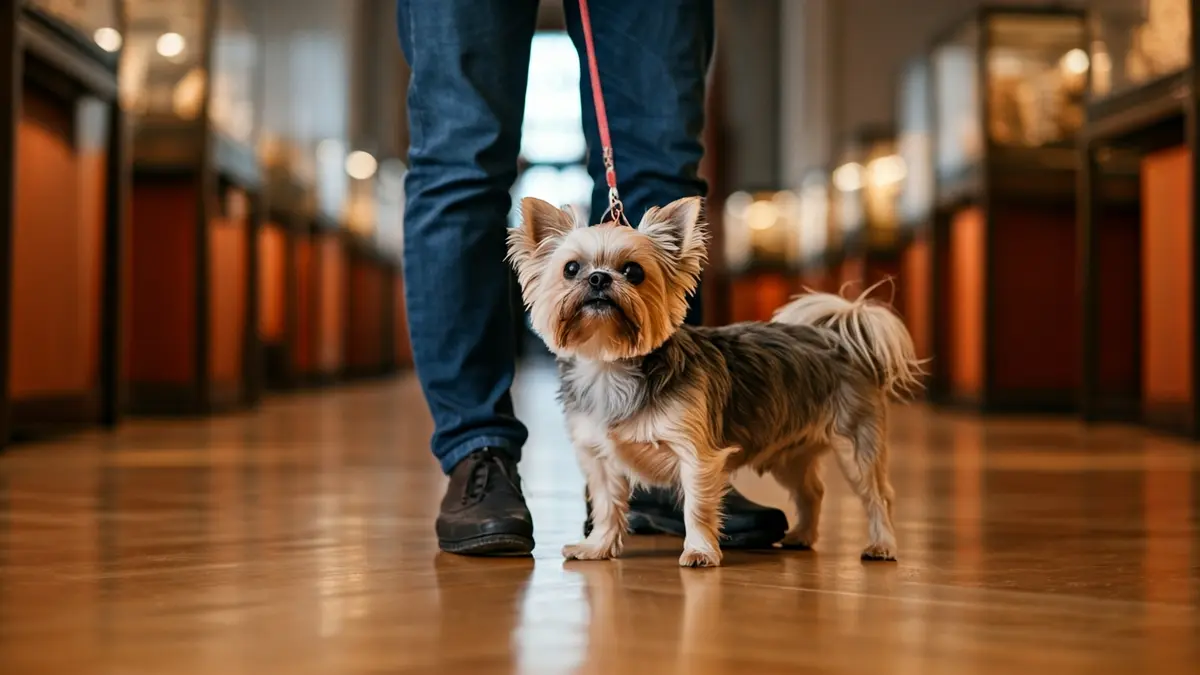
Strict coexistence rules will apply: animals must remain on a leash at all times, and a maximum capacity will be enforced, initially limited to two animals per floor. Assistance dogs and those belonging to the Armed Forces or Security Forces and Corps will be exempt from these restrictions and allowed access without capacity limits.
Animals may stay in expressly permitted or not explicitly prohibited areas, as well as in outdoor patios and public access zones. Owners will be responsible for ensuring their pets' good behavior and for cleaning up any waste, preventing any disruption of public order within the museum facilities.
The measure will make museums more accessible, as there are many people without children who have pets, and also elderly people who are accompanied by their pets when they go out. This way, they are being enabled to access, with the protection measures detailed in the proposal.
The decision is based on the positive experiences of other national museums that have already implemented similar policies. Officials from the Autonomous Organism highlighted the complexity of adapting these spaces to the presence of animals but emphasized the commitment to offering a more inclusive cultural experience for all citizens and their furry companions.