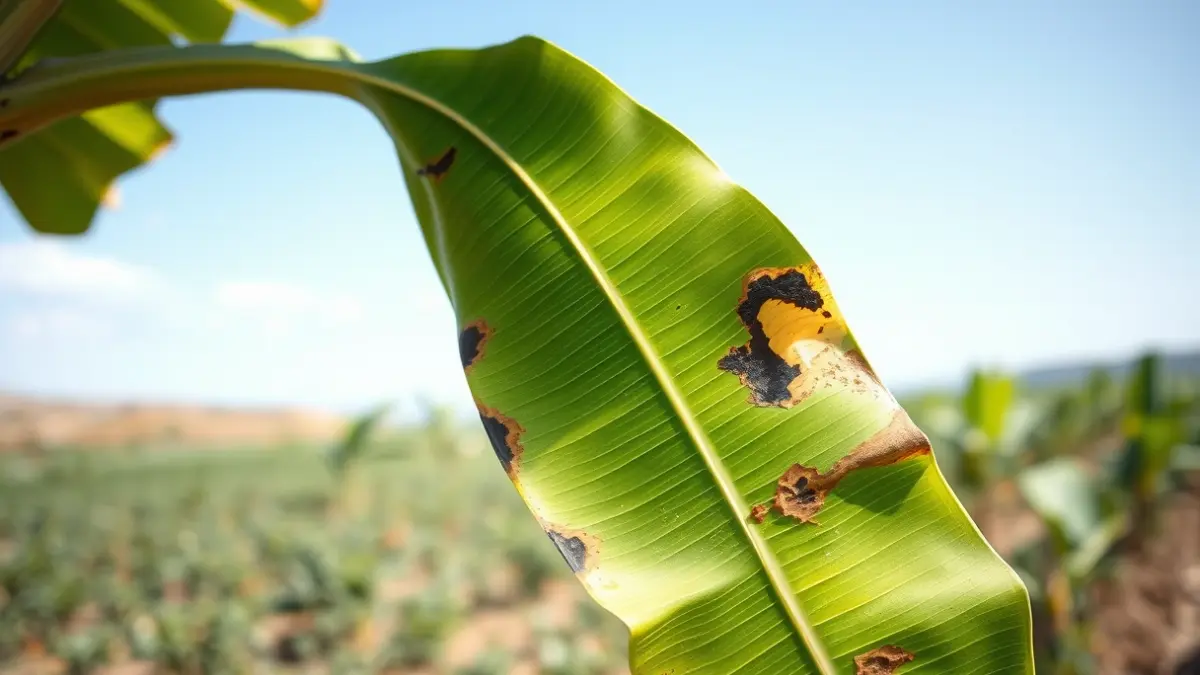
The association of Canary Islands banana producers, Asprocan, has informed the European Commission that plant health is the main structural challenge for the archipelago's agriculture. This situation is exacerbated by the reduction of permitted active substances, without suitable alternatives adapted to the specific climatic and agricultural conditions of the islands.
During an Implementation Dialogue held in Brussels, the organization highlighted that phytosanitary restrictions imposed by the European Union place farmers in outermost regions at a disadvantage compared to imports from third countries, which operate under less stringent regulations. This disparity directly impacts the economic viability of Canarian agricultural holdings.
“"The almost complete disappearance of authorized active substances, without viable alternative technical solutions for the agro-climatic conditions of the islands, is creating increasing difficulties in sustaining productivity."
In response to this issue, Asprocan has submitted over 40 amendment proposals to the EU Omnibus Regulation to the European Commission. These initiatives focus on four key areas: plant health, quality and marketing standards, the Common Agricultural Policy, and the promotion of agri-food products.
Among the proposed phytosanitary measures are the creation of a specific and accelerated procedure for authorizing products in outermost regions. It also suggests introducing safeguards to prevent the withdrawal of essential substances until viable alternatives exist, as well as establishing transitional periods of up to five years. Additionally, the sector aims to incentivize the development of phytosanitary solutions adapted to these regions and recognize tests conducted by accredited universities and research centers.