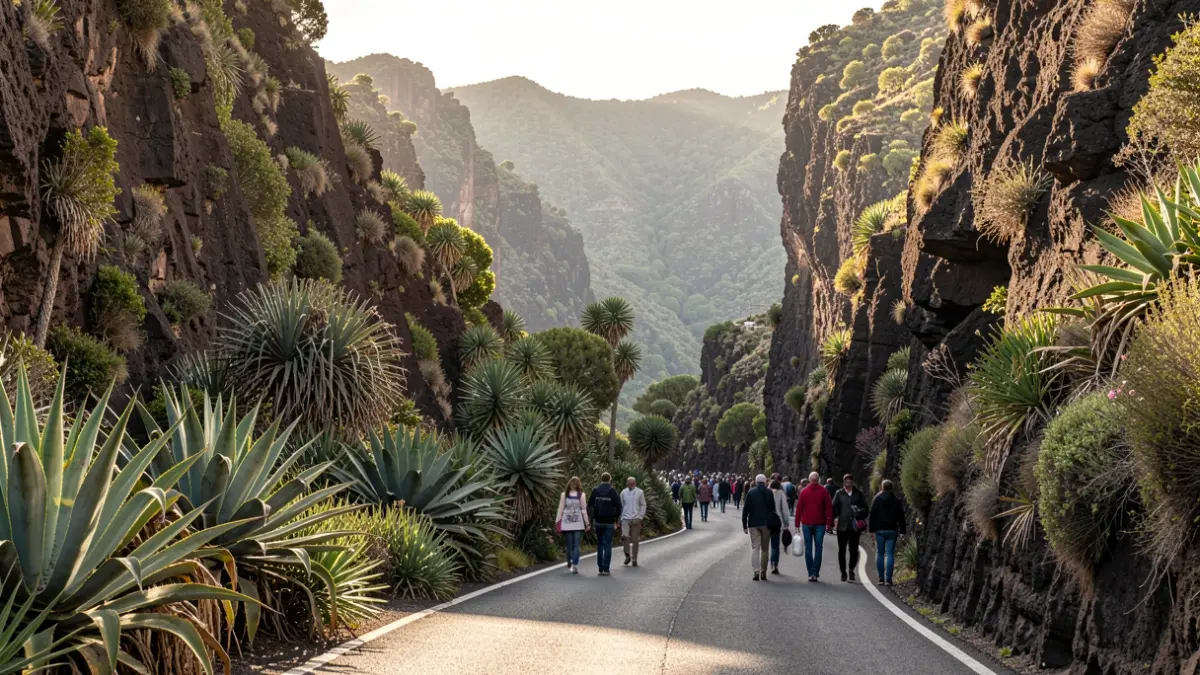
Daily life in this enclave of the Anaga Massif differs from census figures. According to local sources, the number of permanent residents is significantly lower, as evidenced by the low enrollment at the local school, which has only about ten students. Migration to the capital for work and the search for urban convenience are the main factors driving this demographic decline.
To curb this trend, the neighborhood association proposes rehabilitating abandoned houses for social housing. This measure aims to facilitate housing access for young people, who currently face insurmountable economic and bureaucratic barriers to settling in the area. The lack of generational renewal also severely affects agriculture, a traditional activity now described as heroic due to the rugged terrain and lack of support.
Public transport and healthcare are other major shortcomings. Residents report that bus schedules are insufficient to meet the needs of a population that relies on connections to Santa Cruz de Tenerife for basic services. Furthermore, the bureaucracy stemming from the protection of the Anaga Rural Park and the Biosphere Reserve is perceived by many as an additional obstacle to traditional activities.