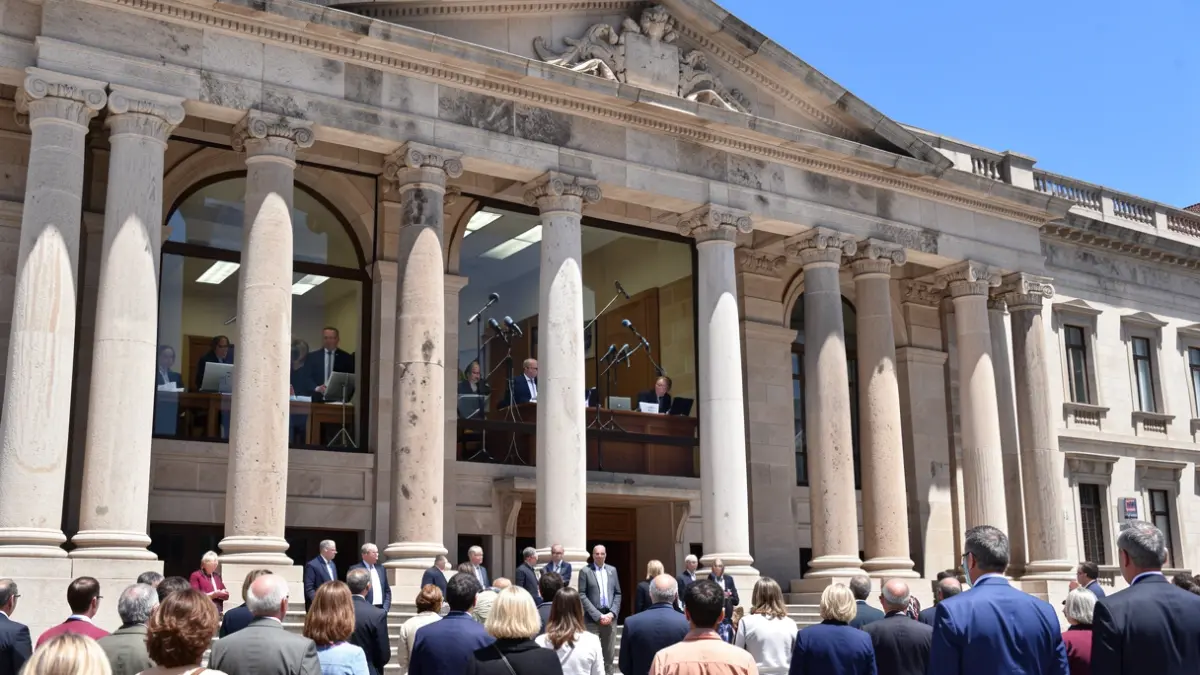
The decision, passed in the Senate with 147 votes in favor out of 250 members, has caused an unprecedented crisis at the academic institution. The elimination of the July call, which Rector Francisco García states is not an elimination of a session but a reorganization to promote continuous assessment, has been met with strong resistance from students.
Rector García argues that the new model aims for learning monitoring throughout the semester via partial tests, preventing students from relying solely on a final exam. He asserts that this methodology, already common in most Spanish universities, will enhance the educational process and success rates, and will be gradually implemented until the 27-28 academic year.
“"If we implement real continuous assessment, the success rate will be higher, there is no doubt about that."
For their part, the student collective, through their representative Mario Oramas of Libertad Estudiantil, has labeled the measure a "cut in rights" and "undemocratic." Students express skepticism about the effective application of continuous assessment and warn of severe consequences, such as an increase in repeat students, extra costs for second enrollments, and potential loss of aid for those who do not earn the necessary credits.
“"We are frustrated because they are cutting our rights, and in a rather undemocratic way."
The vote on Article 106 of the statute, which governs assessment, took place during a tense session that had to be suspended and resumed online to prevent protests. The proposal was put forward by the Alternative Program for Teaching Staff (PAP), whose spokesperson, Gloria Rojas, argued that the "true right of students is to receive quality education" and considered the second call a "traditionalist conception of learning."
In response to the approval of the measure, student groups have announced an academic strike at the Faculty of Education for the upcoming September.