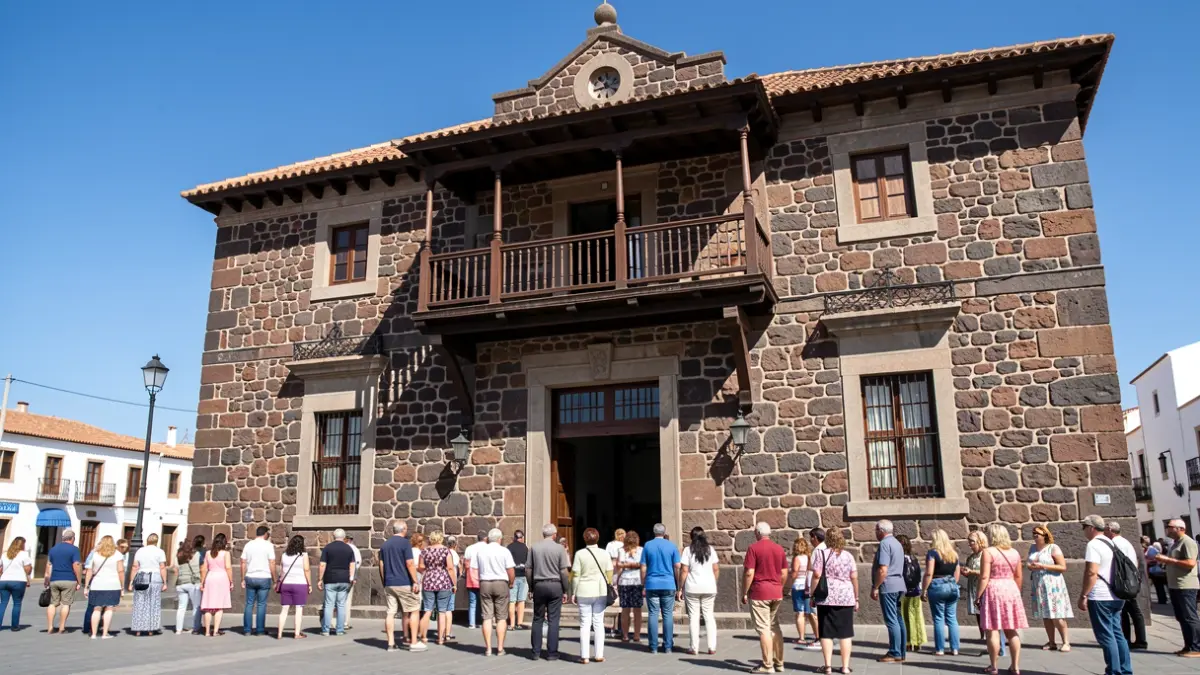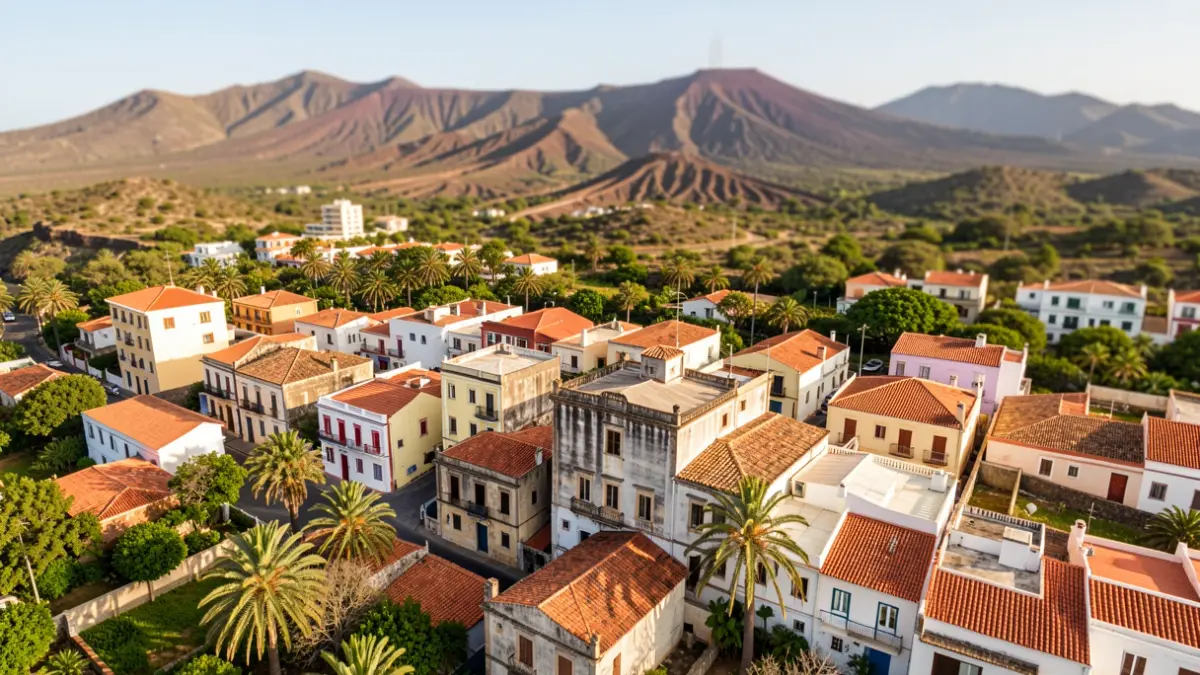
A study by the University of La Laguna on the climate vulnerability of the population in the Canary Islands indicates that areas with older, poorly conditioned homes for heat resilience coincide with a higher presence of an aging population and a more intense increase in tropical nights projected for the end of the century. The work emphasizes that climate change is a complex phenomenon requiring the joint analysis of multiple, overlapping vulnerabilities.
Researchers start from the observation that climate-related health risk assessments often exclude a key element from spatial analyses: housing. Homes act as intermediaries between outdoor heat and indoor temperatures, influencing passive thermal performance and rehabilitation possibilities. Therefore, the study proposes incorporating these factors as fundamental to better understanding heat exposure.
Homes function as mediators between external climatic conditions and the thermal exposure of their inhabitants, a role particularly relevant during the night. Elevated minimum temperatures during this period can hinder rest and exacerbate the health effects of heat, especially among the elderly.
This research, conducted by Serafín Corral, Alejandro Herrera, Francisco Armas, and Emilio Bonal from the PENSARES group, aimed to analyze the relationship between the age of the archipelago's housing, projected exposure to nighttime heat, and the concentration of older residents. The findings, published in the journal City and Environment Interactions, reveal a clear correlation: the 20% oldest homes in the Canary Islands, with an average construction year of 1962, are located in areas where the density of residents aged 65 or older is 5.8 times higher than in areas with newer housing stock. Furthermore, these areas are projected to face an increase of 14 more tropical nights per year by the end of the century compared to areas with newer homes.
The results show that the highest concentration of old homes is found in Gran Canaria and Tenerife, islands that together account for 89% of the archipelago's structurally vulnerable elderly population. The researchers suggest that focusing interventions on the historic urban centers of Las Palmas de Gran Canaria, Santa Cruz de Tenerife, and San Cristóbal de La Laguna would allow reaching the majority of this population within a manageable and viable intervention scope.
This work highlights a climate vulnerability associated with the characteristics of the Canary Islands' housing stock. Areas with older buildings, constructed before current thermal insulation standards, coincide with a higher concentration of elderly people and the greatest projected increases in nighttime temperatures. This overlap reinforces the need to consider housing characteristics in climate change adaptation strategies and in prioritizing building rehabilitation, especially at the local level.
The researchers insist that these findings are particularly relevant for anticipating the effects of climate change on health in increasingly aging societies. Homes already struggling to maintain adequate thermal conditions during heatwaves could face greater overheating by the end of the century. Moreover, the people living in them will often be elderly, a group particularly vulnerable to high temperatures. Therefore, increased heat exposure could translate into a rise in heat-related health problems and deaths.
In the case of historic urban centers in the Canary Islands, the study also finds a close relationship between heat vulnerability and energy poverty. The population most exposed to heat by the end of the century largely overlaps with those already experiencing difficulties maintaining adequate thermal conditions in their homes. Many measures that can help reduce both problems are the same: improving energy efficiency and building insulation, facilitating access to cooling systems, and reinforcing health protocols during heat episodes.