Rising temperatures across the Canary archipelago have led to a significant increase in insect sightings in cities. Specialists agree that the summer season marks the official start of pest proliferation. However, expensive fumigation services are not necessary if action is taken promptly against cockroaches in the home.
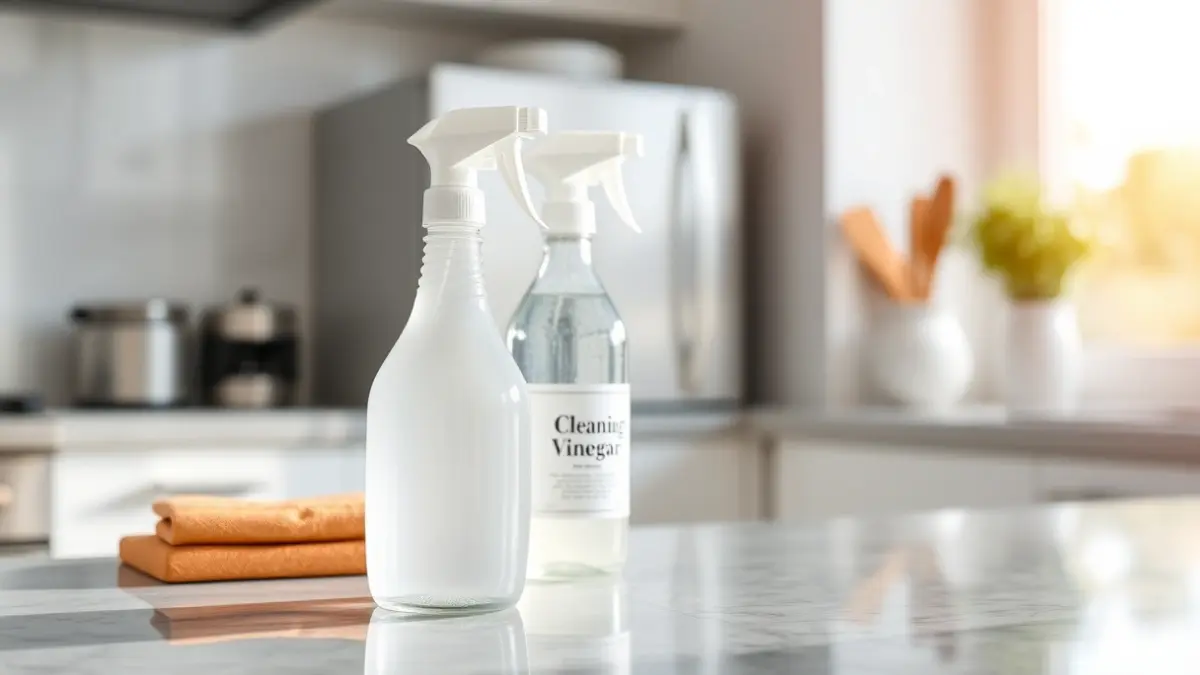
The key lies in the repellent power of a common product: cleaning vinegar. This item, costing barely more than one euro, becomes a fundamental ally. Environmental health experts explain that cockroaches have an extremely sensitive sense of smell, and the acetic acid in vinegar acts as a powerful natural repellent that these insects detest.
“"The residual smell of vinegar is enough for the insect to decide not to enter the dwelling."
For effective elimination, a strict routine is recommended, including mopping floors and cleaning countertops with a mixture of water and vinegar at least once a week. Additionally, it is crucial to apply the product directly to critical areas such as under appliances and behind the refrigerator motor, places that attract these insects due to their warmth.
While vinegar is effective, specialists emphasize the importance of physically blocking entry points. Cockroaches do not appear out of nowhere; they typically enter through cracks, crevices, and especially through infrequently used drains. Therefore, it is advisable to plug drains in secondary bathrooms or bidets and seal any cracks in kitchen tiles with caulk or silicone to prevent their entry from sewers.
For those who find the smell of vinegar too strong, there are low-cost alternatives that can reinforce the protective barrier. Placing bay leaves and cinnamon in pantries or near windows helps create an additional aromatic shield. These home remedies, combined with optimal household hygiene, are highly effective. In ground-floor homes or street-level premises, special attention should be paid when ventilating, applying these natural repellents near door frames to ensure the home remains pest-free throughout the summer.