The Centers of Art, Culture, and Tourism (CACT) have reopened the doors of the Casa Museo del Campesino, located in the geographical center of the island of Lanzarote, presenting a renewed vision of the sculptural ensemble created by César Manrique.
The visit has been transformed into a guided and self-guided journey, supported by QR codes, allowing visitors to discover the landscape and understand the territory through the difficulties overcome by the men and women of the countryside. The island's counselor, Ángel Vázquez, encourages citizens to explore the content, emphasizing that the house "reflects what we were to explain what we are," elements such as collective effort, work, and perseverance that define Lanzarote's identity.
The core of the exhibition is the Sculpture of Fertility, a work erected on the Peña de Tajaste to pay homage to those who worked the land under extreme conditions, such as water scarcity and constant wind, on a volcanic soil difficult to cultivate.
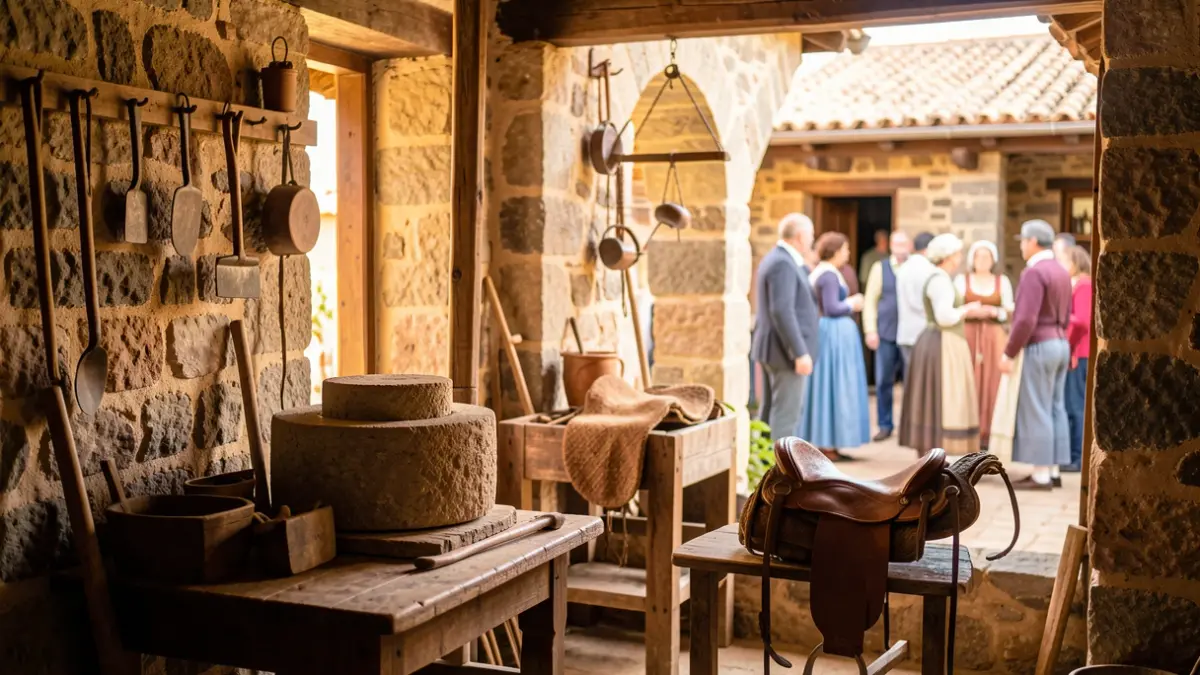
The self-guided tour integrates architecture, identity, the primary sector, and community, pillars of the CACT's essence. The visit details elements such as the threshing floor, the cistern, the saddle for riding a camel, the serón (a hollow container carried by animals), and a traditional dwelling with protected patios and rain-collecting roofs, where every object had multiple functions.
Special emphasis is given to the volcanic eruptions of 1730 to 1736, the origin of a unique form of agriculture based on ash that protects the soil and conserves moisture. The visit also addresses the importance of gofio, the mill, plows, artisanal trades, the tasca (tavern), ceramics, and the figure of Dorotea Armas, all connected through a modern and interactive narrative.
The Casa Museo del Campesino is open daily from 10:00 AM to 6:00 PM, and admission is free.