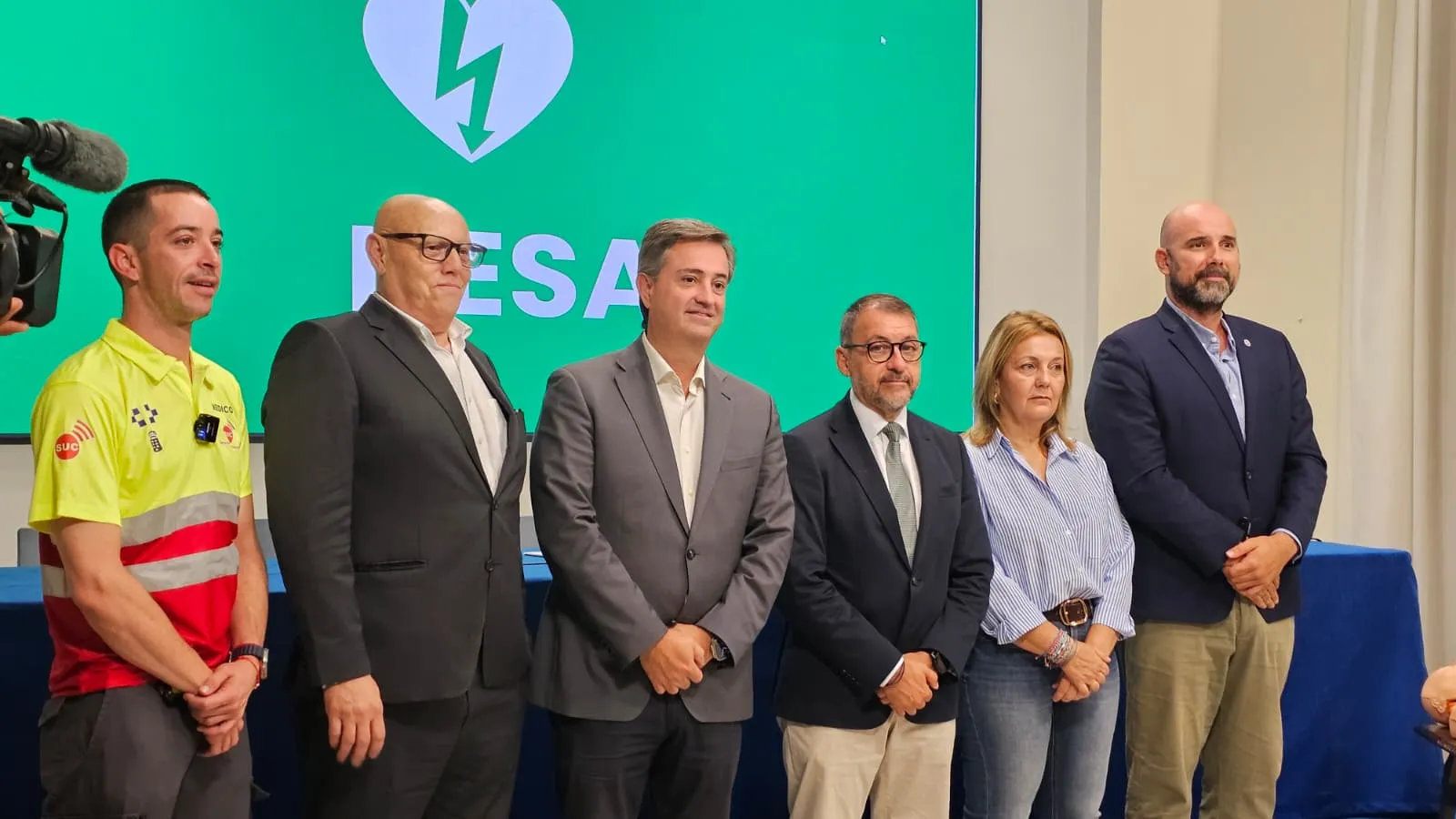
The Minister of Ecological Transition and Energy, Mariano H. Zapata, stated during his parliamentary appearance that Canary Islands waste over 15% of generated renewable energy due to limitations in the electrical system's integration. To address this, incorporating storage capacity and adapting electrical grids is considered essential. "The work is not just about producing more renewable energy, but about being able to use it when the system needs it," he explained.
Zapata emphasized that energy storage is a key challenge for the energy transition on the islands. Wind and photovoltaic production do not always coincide with peak consumption hours, making systems that conserve electricity for later use crucial for increasing renewable integration and reducing reliance on conventional generation.
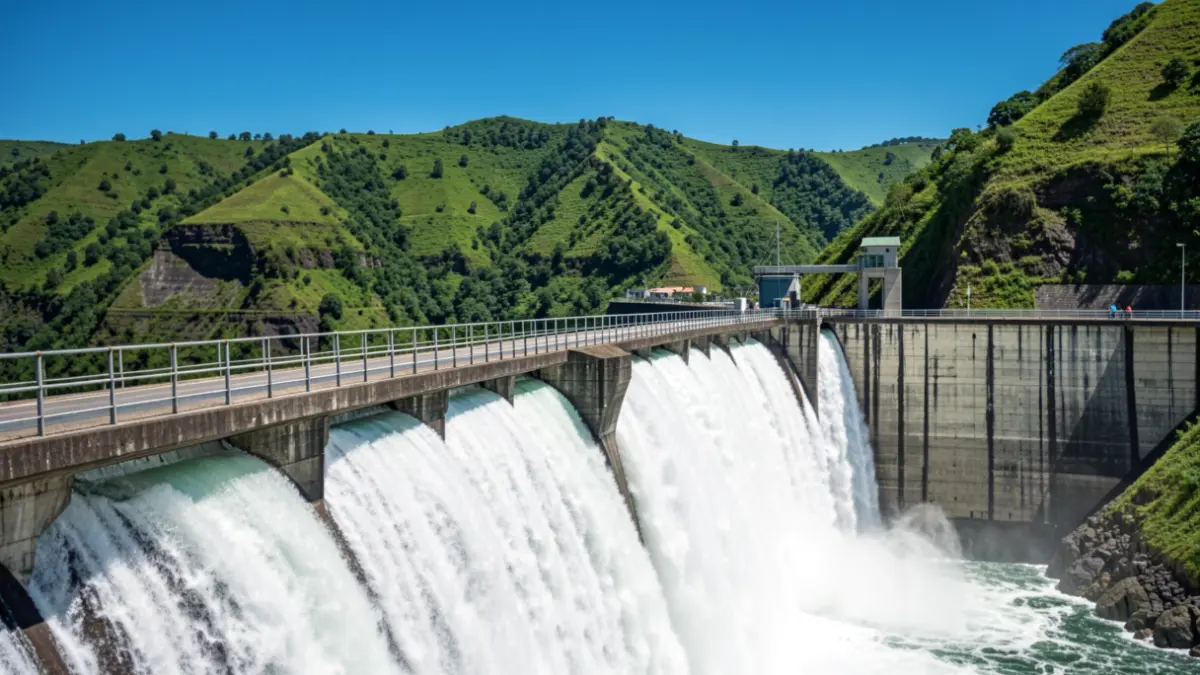
Pumped-storage hydroelectric power plants, such as the existing Gorona del Viento in El Hierro, which already allows the island's electricity demand to be met with renewables for over a thousand hours annually, represent a large-scale solution. In Gran Canaria, the Salto de Chira project aims for 200 megawatts (MW) of power and a storage capacity of 3,500 megawatt-hours (MWh). In Tenerife, the future Güímar plant will contribute another 200 MW.
On La Palma, a study by the Technological Institute of the Canary Islands proposes an initial phase of hydroelectric storage with 30 MW of power and 600 MWh of capacity, prioritizing the Laguna de Barlovento. In Lanzarote and Fuerteventura, pumping options have been analyzed, but the viability of large-scale installations is conditioned by geographical characteristics and the configuration of electrical systems.
In addition to hydroelectric power, batteries will be integrated into wind and photovoltaic farms. In La Gomera, three storage projects associated with wind farms in Jedey, Las Tricias, and La Sabina, each with 2 MW, have been authorized. The minister noted that the deployment of these technologies depends on applicable regulations for non-peninsular electrical systems, and the Ministry has submitted allegations to the modification of Royal Decree 738/2015.
Self-consumption also benefits from storage. Batteries installed with photovoltaic systems in homes, businesses, or public buildings allow for storing solar production for use when panels are not generating electricity, increasing the utilization of energy produced on-site and reducing the amount of electricity needed from the grid. Canary Islands has seen its self-consumption photovoltaic power grow from approximately 136 MW in 2023 to over 302 MW by June 2026, with a total of 24,817 installations.