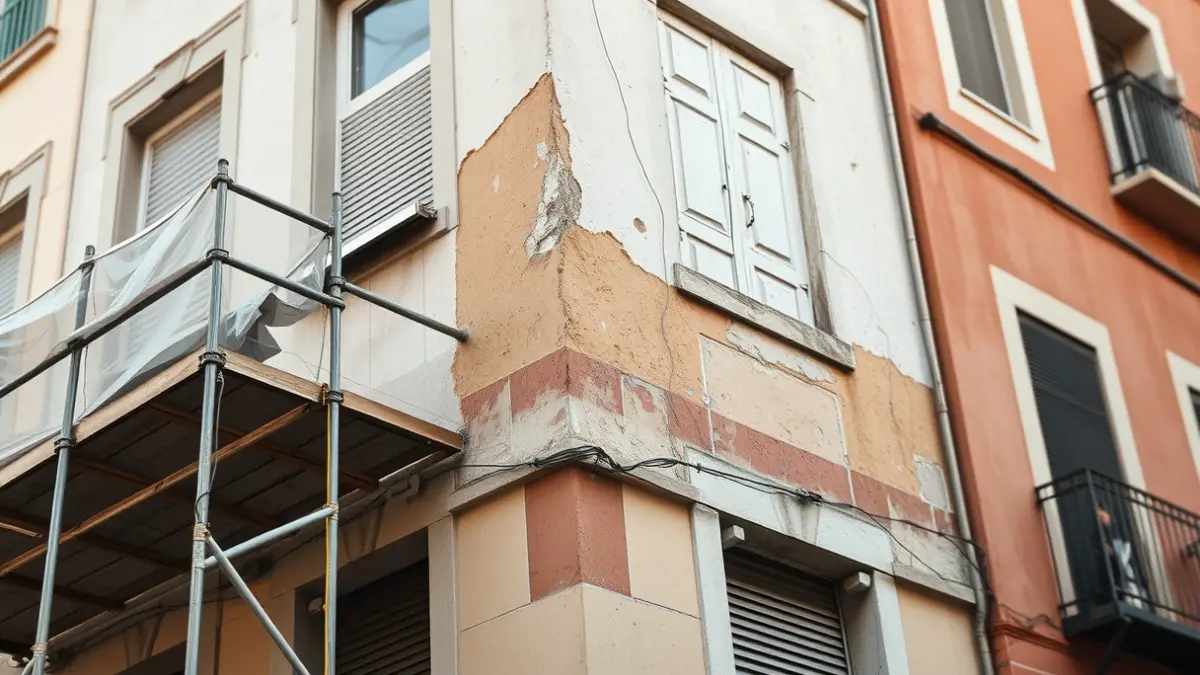
The distribution of expenses in homeowner associations is a recurring topic of debate, especially when budgets for renovations are high. However, the regulations are clear: works deemed necessary for common elements, such as the facade, must be borne by all owners.
The Horizontal Property Law stipulates that an individual owner's opposition does not exempt them from payment, provided the work has been approved following legal procedures. This means that decisions made at a homeowners' meeting are binding on all community members, regardless of their vote.
Article 10 of this law specifically regulates mandatory conservation, maintenance, and accessibility works. In these cases, the execution of the works does not depend on the approval of the board, as they are legally required, and must be carried out even without consensus or with opposition.
Refusing to pay could lead to legal consequences for the owner, directly affecting their assets. The only way to avoid payment would be to demonstrate that the work does not meet legal requirements or that the board's agreement is null or challengeable for violating regulations or community statutes.
Ultimately, the Horizontal Property Law leaves little room for interpretation in these situations, prioritizing the conservation and safety of the building over individual owner decisions.