The history of La Isleta is intrinsically linked to the activity of the Port. Port growth transformed the area into a strategic enclave for the exchange of goods, which led to the opening of numerous grocery stores between the 1940s and 1960s.
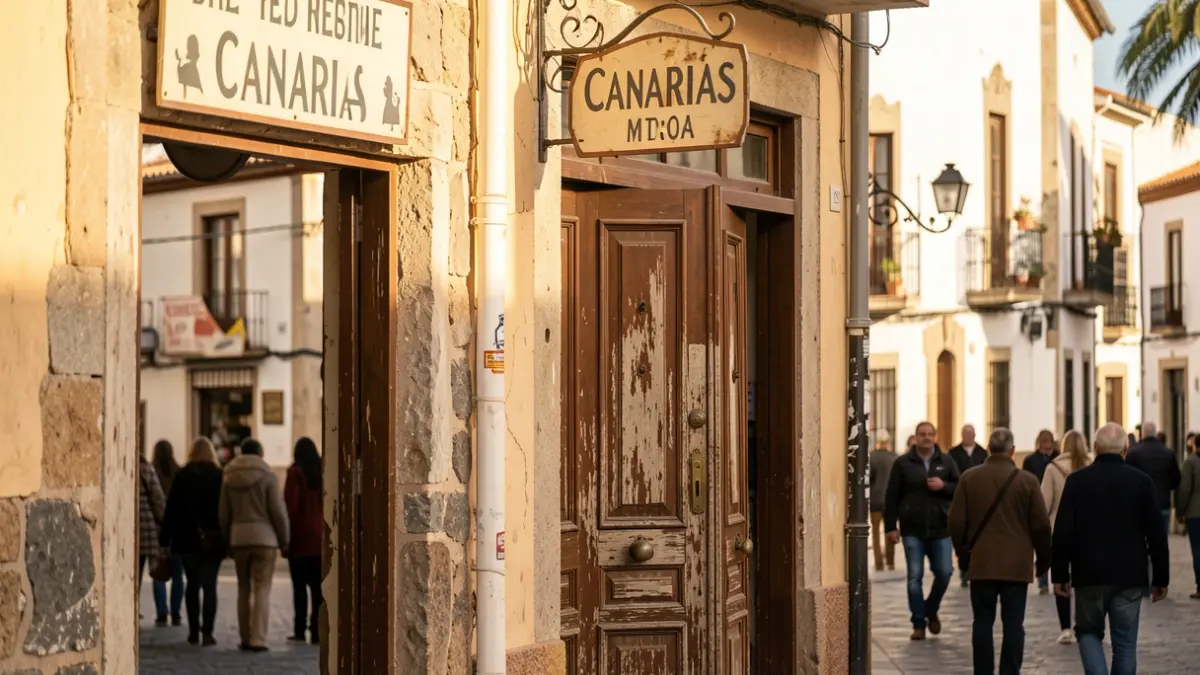
These businesses, which once numbered around a hundred, not only supplied residents but also acted as neighborhood meeting points. Despite the passage of time, some of these bazaars and grocery stores remain operational, keeping alive the spirit of effort and community support that characterizes the neighborhood.
“"What you wouldn't want for yourself, don't give to the customer."
The social function of these shops remains vital. Owners often act as a safety net for neighbors, especially the elderly, checking on their well-being and offering personalized attention that goes beyond simple commercial transactions.
Although consumption dynamics have changed, local commerce in La Isleta persists as a pillar of local identity. Honesty and close treatment remain the keys that allow these family businesses to endure over time, establishing themselves as a benchmark for neighborhood economy in the capital of Gran Canaria.