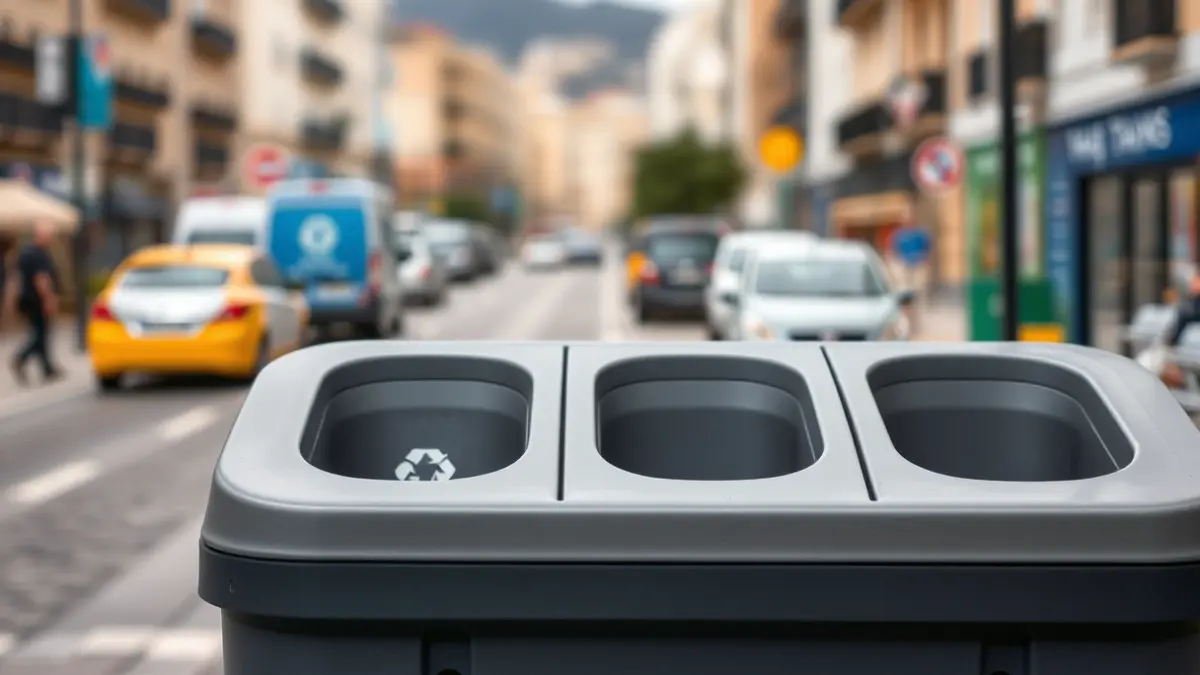
The new regulation, which governs the cleaning of public spaces and municipal waste management, primarily aims to optimize selective separation and collection, eliminate uncontrolled dumping, and reduce waste production in the city.
Citizen obligations include preventing waste generation, segregated disposal in containers and bins, reducing waste volume, closing container lids, adhering to deposit schedules, and reporting infractions.
“"Our goal is that after 21 years we have a modern ordinance that improves the quality of life and promotes new habits related to the care of public spaces."
The ordinance prohibits various actions such as shaking items towards the street, abandoning belongings or dead animals in public areas, littering papers or cigarette butts outside bins, feeding animals in public spaces, setting up tents, spitting or urinating in public, washing vehicles in public, tampering with containers, graffitiing or posting signs outside designated areas, and leaving animal waste without cleaning.
Drivers must ensure their vehicles do not dirty the city, especially with liquid spills, and leave enough space when parking for municipal cleaning. In case of an accident, the responsible party will bear the cost of cleaning. Vehicle repairs in public areas are also prohibited.
Establishments such as bars, cafes, kiosks, cinemas, supermarkets, and 24-hour stores are obliged to maintain cleanliness both within their premises and in the urban space under their influence, including sidewalks and public access areas. Vacant lots must be fenced and free of waste.
The regulation details the obligation to separate waste such as light packaging, paper and cardboard, glass, food waste, used cooking oils, pruning remains, bulky items, construction and demolition waste, clothing and footwear, electrical and electronic appliances, batteries, and other hazardous waste. Reuse, reduction, and minimizing food waste are also encouraged.
Penalties for non-compliance are more severe than in the previous ordinance. Minor infractions can reach up to 2,000 euros, serious ones up to 100,000 euros, and very serious ones up to 3.5 million euros, aiming for a deterrent effect against uncivil acts.