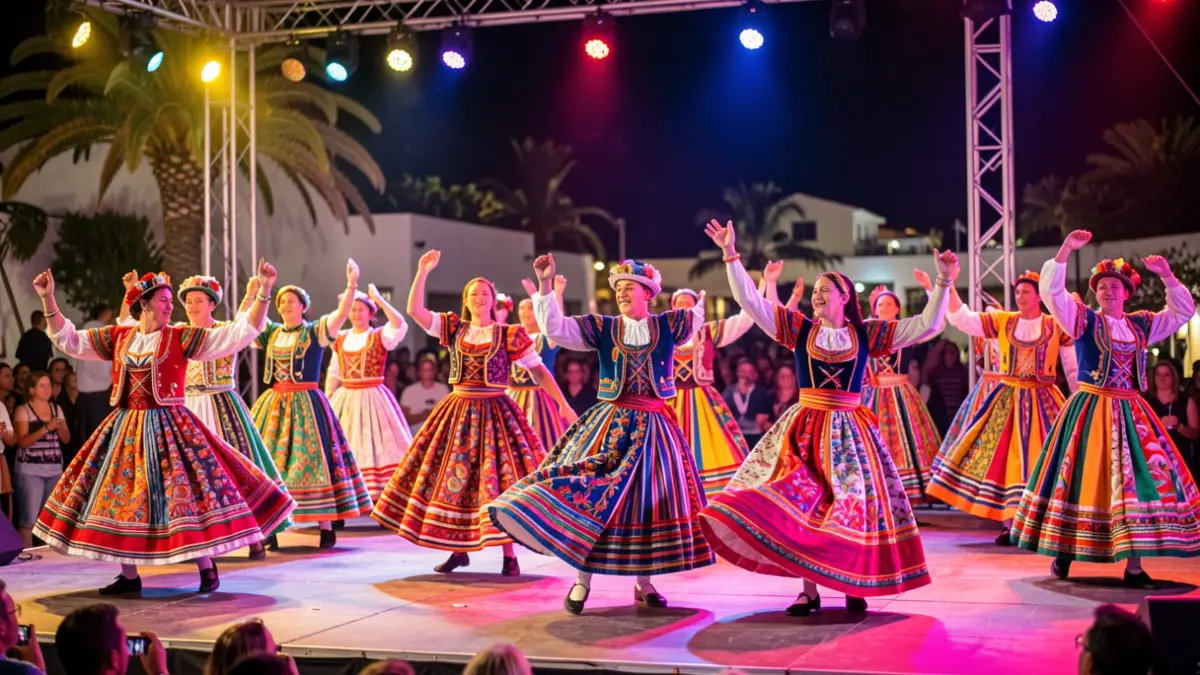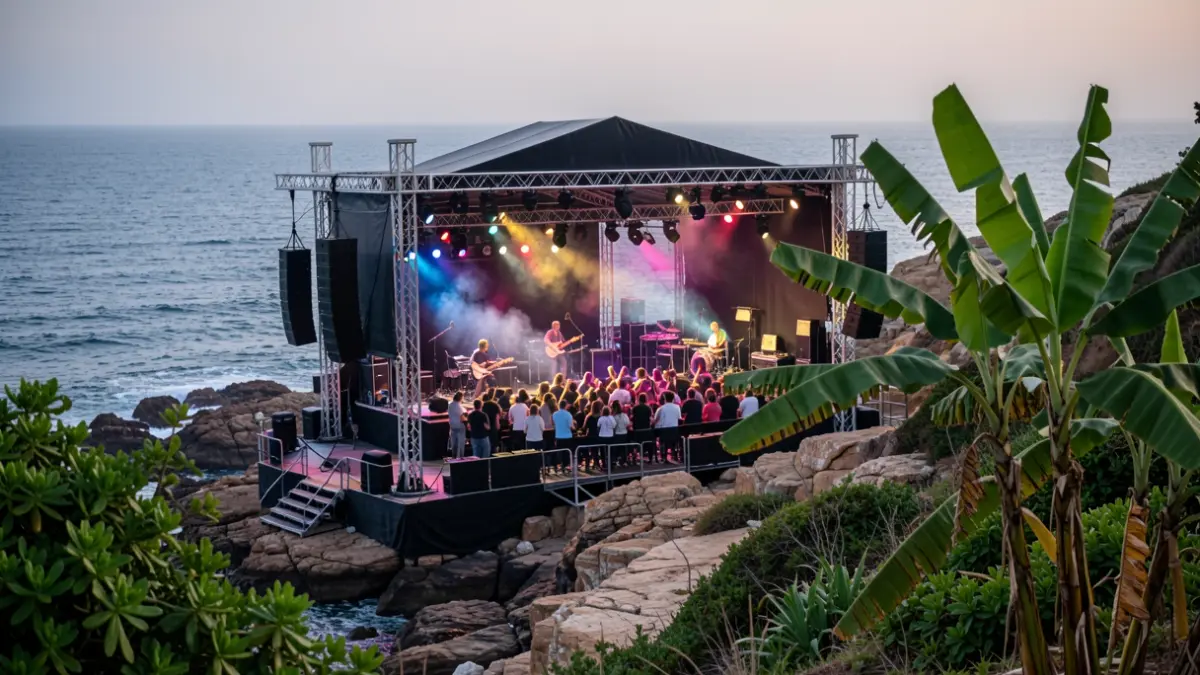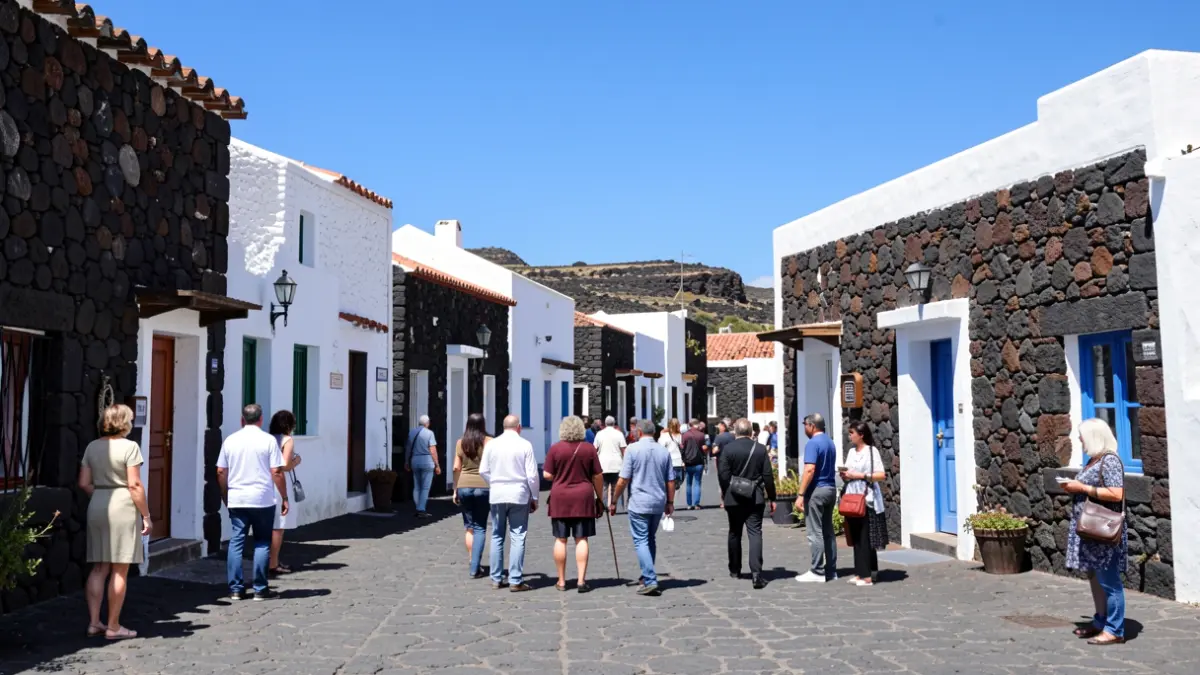
During her speech, Darias emphasized the city's proposal as an opportunity to foster local talent, strengthen cultural capabilities, and redefine the position of cities located on Europe's periphery. She was accompanied by the Councillor for Culture, Josué Íñiguez, and the artistic director of the LPGC’31 bid, José Luis Pérez Pont.
“"The bid is presented under the motto ‘Rebellion of Geography,’ a proposal to change the perspective with which Europe is viewed, shifting the focus from major decision-making centers to the margins and to territories that often remain outside the epicenter of debate."
The mayor explained that Las Palmas de Gran Canaria seeks to establish itself as an Atlantic reference point in European dialogue. In this context, the bid aligns with the reality of over 2,000 island cities within the European Union, stressing the need for joint solutions to future challenges that will affect all urban areas, regardless of their size.
The main objectives of the bid are summarized in three pillars: “Improve capabilities, equalize opportunities, and foster talent,” linking the project to cultural development that generates significant territorial impact. Darias also connected the initiative with the principles of the New European Bauhaus, which promotes the integration of beauty, inclusion, and sustainability in urban design.
In the tourism and cultural sphere, the mayor highlighted that the city hosts over 1,500 annual events, many in urban spaces. She advocated for a cultural and urban tourism model rooted in local identity, mentioning the Carnivals, gastronomy, and growing conference activity. She also emphasized the importance of balancing sector development with quality of life in neighborhoods.
Finally, Darias referred to innovative projects using artificial intelligence to optimize public services and citizen attention, as well as collaborations with the University of Las Palmas de Gran Canaria (ULPGC) to improve tourism management through data analysis and visitor behavior.