The One UP system, created by a Canary Islands company, is a compact and lightweight device designed to reduce drowning incidents and gain crucial time until emergency services arrive. Its initiator, Saúl De León, conceived it after being deeply affected by rescue difficulties in the Mediterranean.
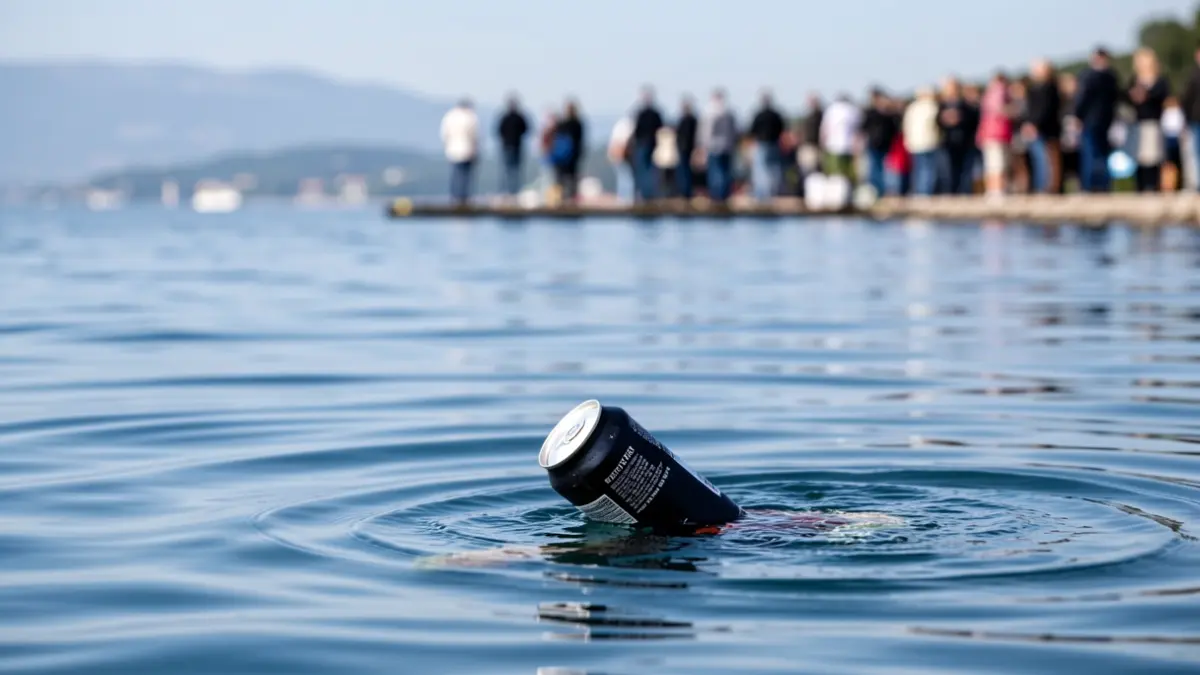
The device, weighing only 370 grams (compared to nearly three kilograms for a conventional ring), deploys automatically upon contact with water, providing immediate buoyancy and allowing throws of up to 40 meters. De León likens it to a soda can that inflates into a lifebuoy.
“"The idea of creating something light, small, and compact so that a single person could save many lives stayed with me."
The project's evolution led to the creation of One UP totems, two-meter-high structures installed in public spaces. Equipped with rescue devices and communication systems, they allow anyone to access a lifebuoy by breaking glass and initiate the emergency alert protocol autonomously, using both electrical and solar power.
Currently, there are approximately 110 One Up points distributed across the Canary Islands. According to project data, since their implementation four years ago, they have contributed to the rescue of 47 people. The city of Las Palmas de Gran Canaria was a pioneer, initially installing six devices in areas such as La Laja, Las Canteras, El Confital, and El Lloret.
De León highlights the initiative's success, recalling six rescues involving the capital's devices. The initiator aims to extend this safety network to more coastal locations, as 90% of critical points in the Canary Islands lack surveillance, and seeks institutional support to achieve this.