For the second time, the central administration has made unilateral decisions directly affecting Canarias, without prior consultation or consideration of regional autonomy. This situation has been described as an imposition, where Canarian authorities are forced to accept measures without the possibility of negotiation.
While an initial error in managing a global health crisis could be understood, the repetition of this pattern in a short period eliminates any justification. This suggests a lack of understanding of the country's decentralized functioning or, failing that, an attitude of bad faith on the part of those responsible.
“"In a crisis, transparency is key for things to go well. On the one hand, because everyone's collaboration is needed, and in parallel, because if something relevant is not told, distrust is generated among citizens."
The appearance of three ministers and the head of the World Health Organization (WHO) to report on the cruise ship situation, without the presence of the President of Canarias, was a clear indication of this disconnect. Furthermore, the lack of transparency regarding the arrival of two planes for passenger transfer generated even more distrust.
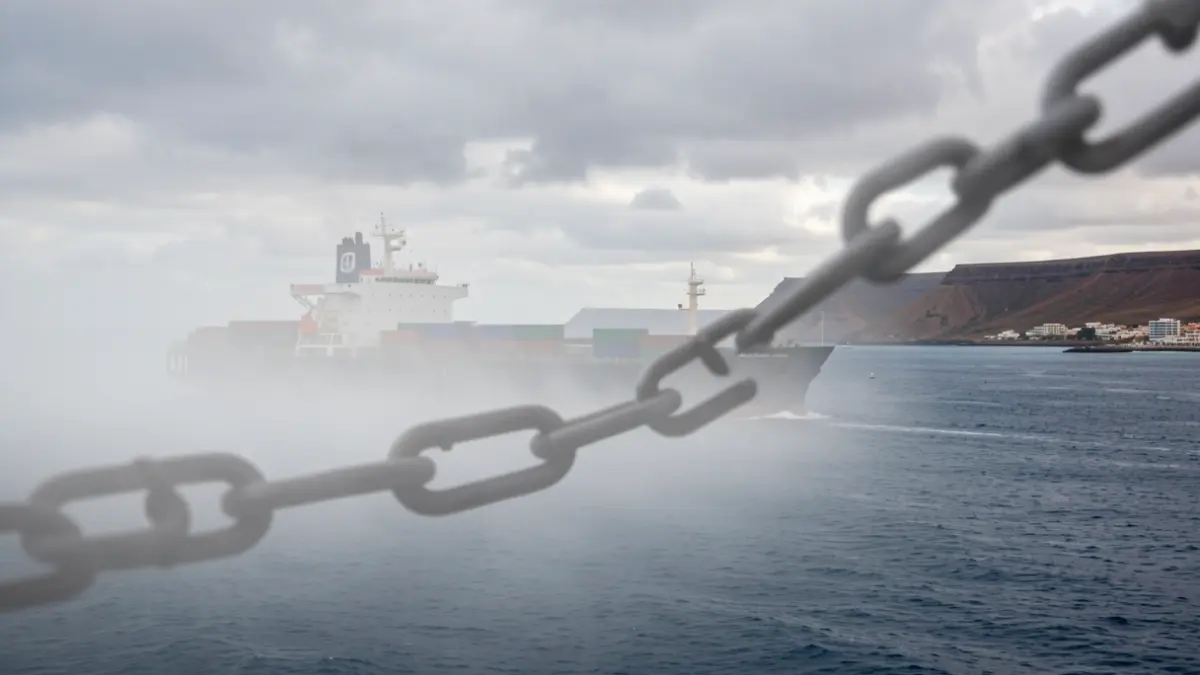
The involvement of a fourth ministry, that of Transport and Sustainable Mobility, whose head should have intervened from the outset, exacerbates the situation. The resolution from Marina Mercante, which allowed the ship's entry into the port of Granadilla, was drafted in such a way that it covered both anchoring and docking, even though only the former had been agreed upon. This ambiguity has been interpreted as further evidence of Canarias being perceived as a second-tier territory, without a voice or the ability to dissent.